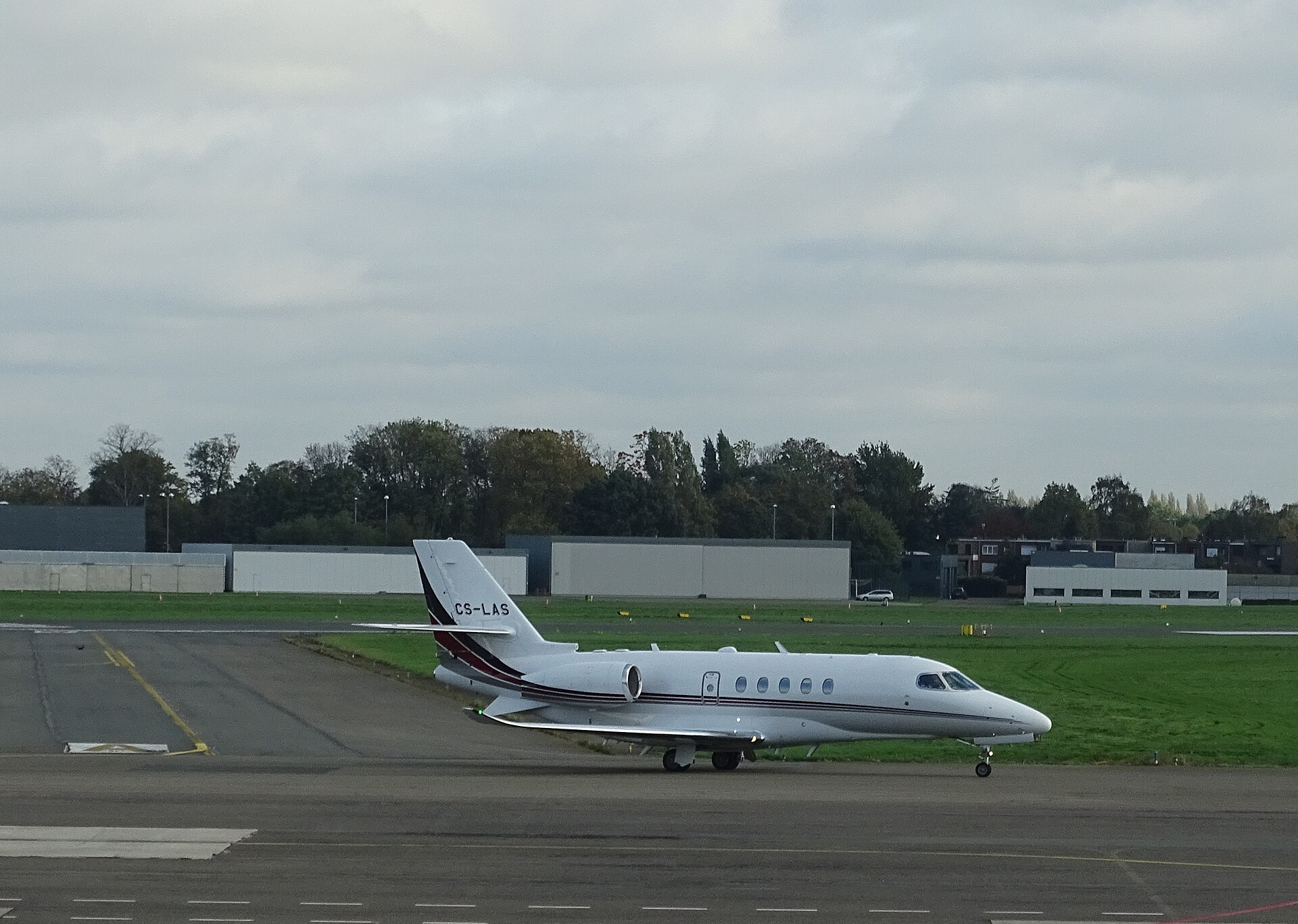
The story behind the Cessna Citation Latitude
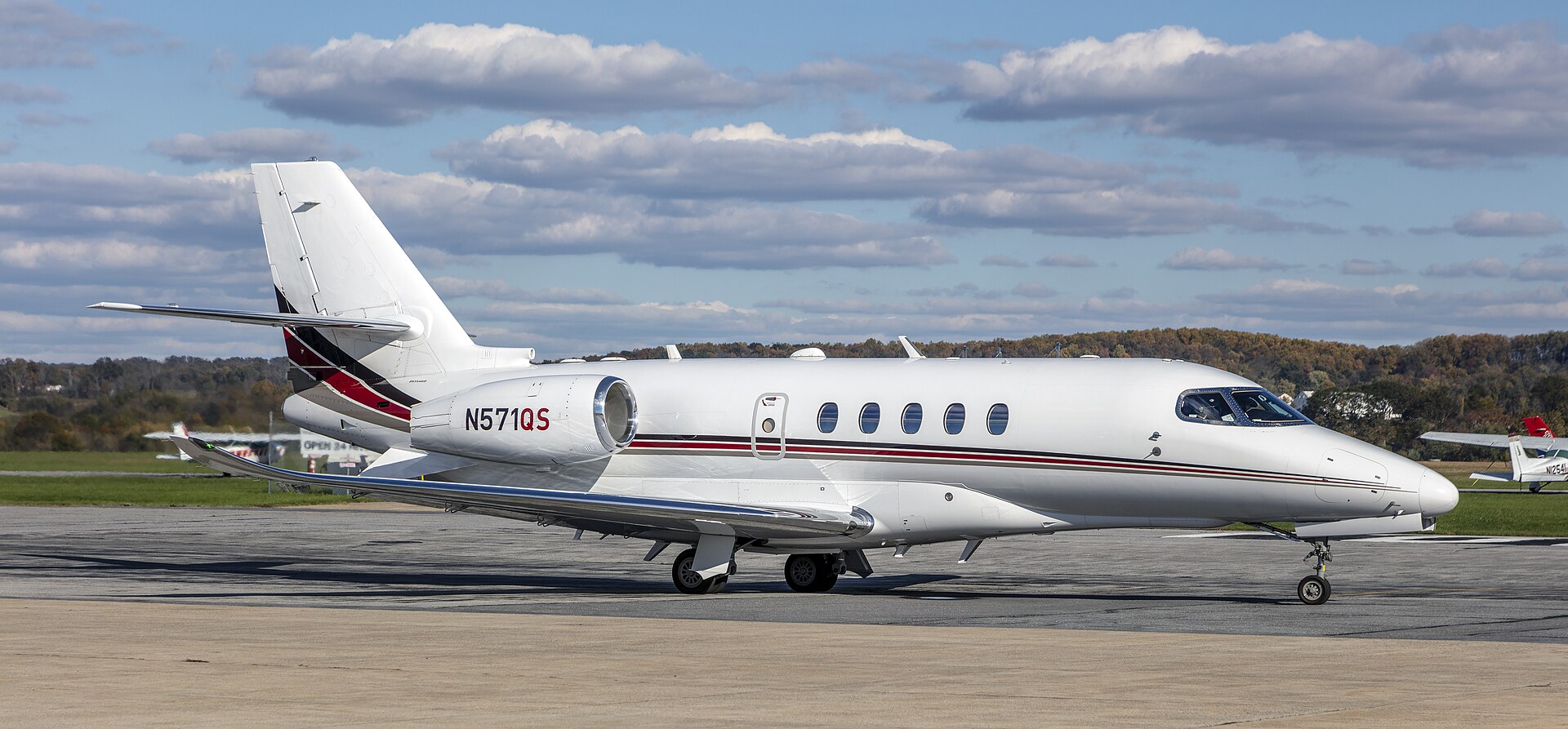
When Textron Aviation announced the Citation Latitude at the 2011 NBAA convention, the company had a specific problem to solve. The Citation Sovereign — a capable aircraft in its own right — had a cabin that was long but relatively narrow: 5.5 feet wide at shoulder level, which placed it behind newer competitors in terms of passenger comfort. The Latitude was designed to bridge the gap between the XLS+ and the Sovereign, taking the Sovereign's fuselage as a starting point, widening the cabin cross-section substantially and adding a flat-floor interior for the first time in the midsize Citation family.
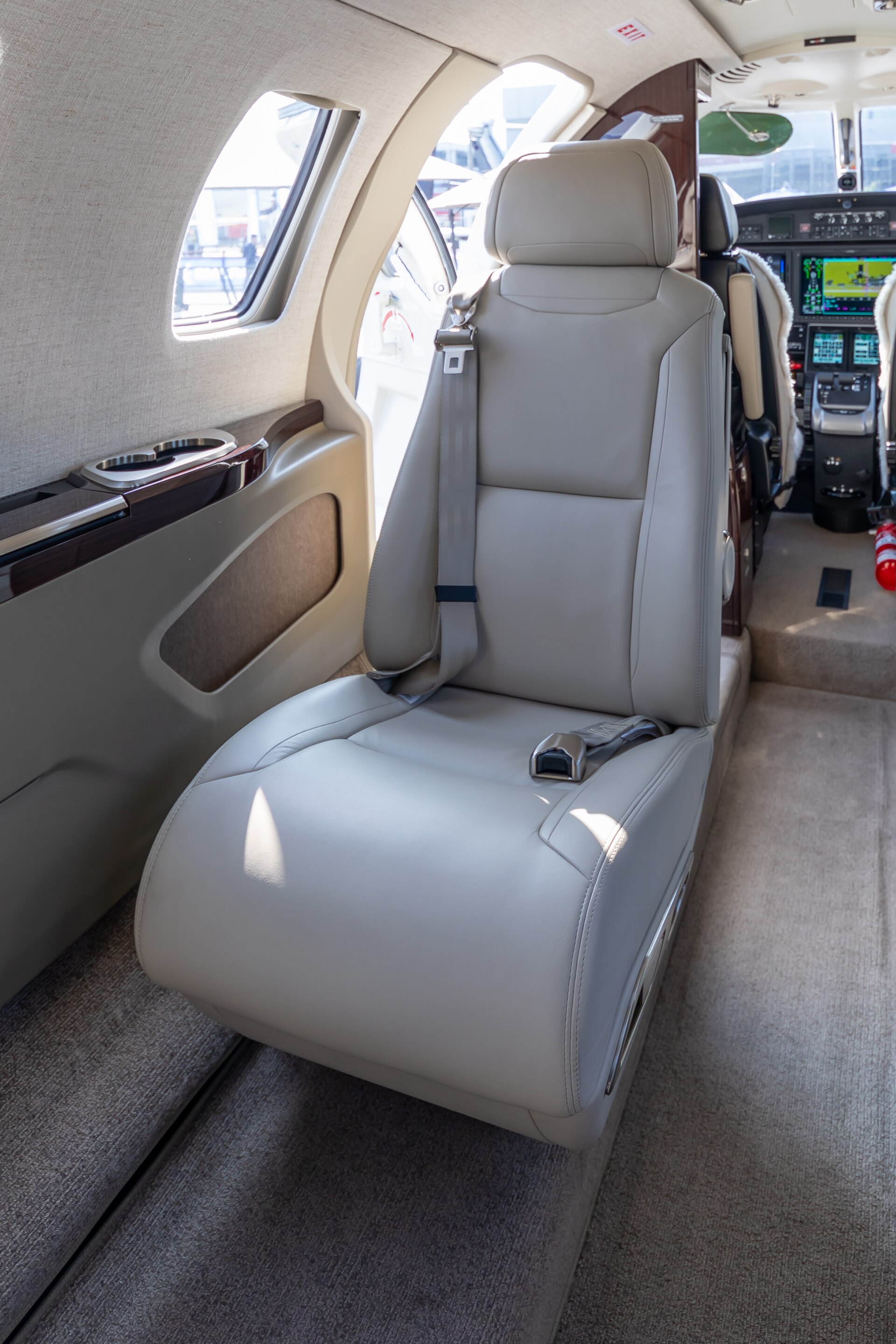
The result was the Citation 680A, certificated in June 2014 and entering service that same year. The flat floor — 6.4 feet wide and 6.0 feet tall — was a genuine step change for the midsize category and immediately positioned the Latitude alongside the Embraer Legacy 500 as one of the two most spacious stand-up midsize cabins available at the time of its launch. Textron also upgraded the avionics package to the Garmin G5000 touch-screen flight deck, added winglets for improved fuel efficiency, and integrated Pratt & Whitney Canada PW306D1 engines rated at 5,907 pounds of thrust each.
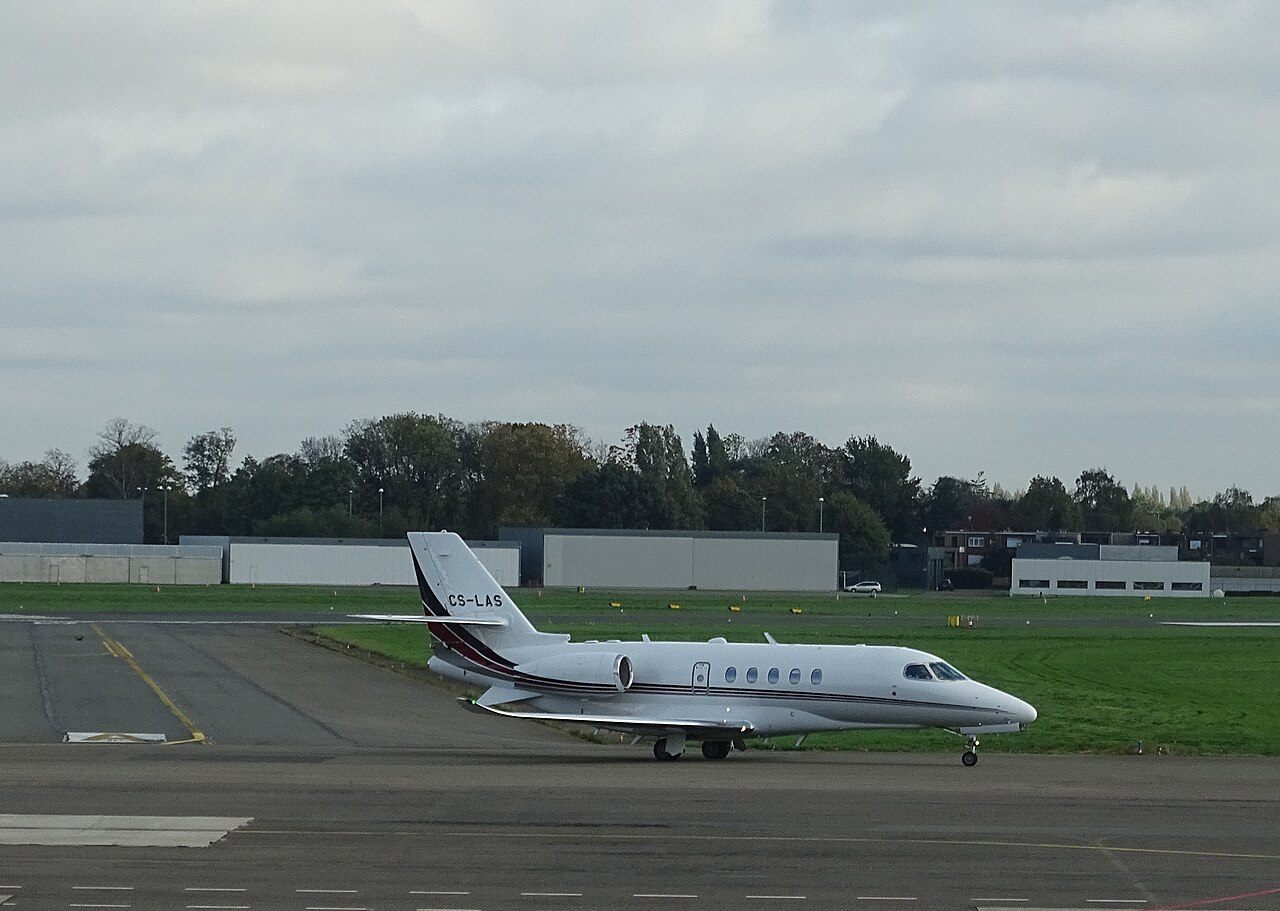
The sales trajectory from first delivery has been remarkable. Textron Aviation has consistently cited the Latitude as the world's best-selling midsize jet, claiming a four-to-one lead over its nearest competitor by units delivered in multiple consecutive years. That penetration reflects genuine product excellence: the Latitude satisfies a sweet spot between the economics of a midsize jet and the cabin environment of an aircraft that would, a generation earlier, have been classified as super-midsize. Today there are hundreds of Latitudes in global charter fleets, making availability across North America, Europe and the Middle East unusually strong.