Cessna Citation CJ3+ private jet charter

Cessna Citation CJ3+ Charter

The benchmark light jet for short European hops.

PAX6–7RANGE2,040 nmSPEEDMach 0.737BAGGAGE65 cu ftCABIN4'9" × 4'10"TYPICALLondon → Geneva · from £5,000

OVERVIEW

Cessna Citation CJ3+

The Cessna Citation CJ3+ is the most-flown light jet in private aviation — a perfect short-range workhorse that combines exceptional fuel efficiency with a refined six-seat cabin. Ideal for one-to-two-hour European or US regional missions, the CJ3+ accesses smaller airfields that midsize jets cannot, putting clients closer to their final destination.

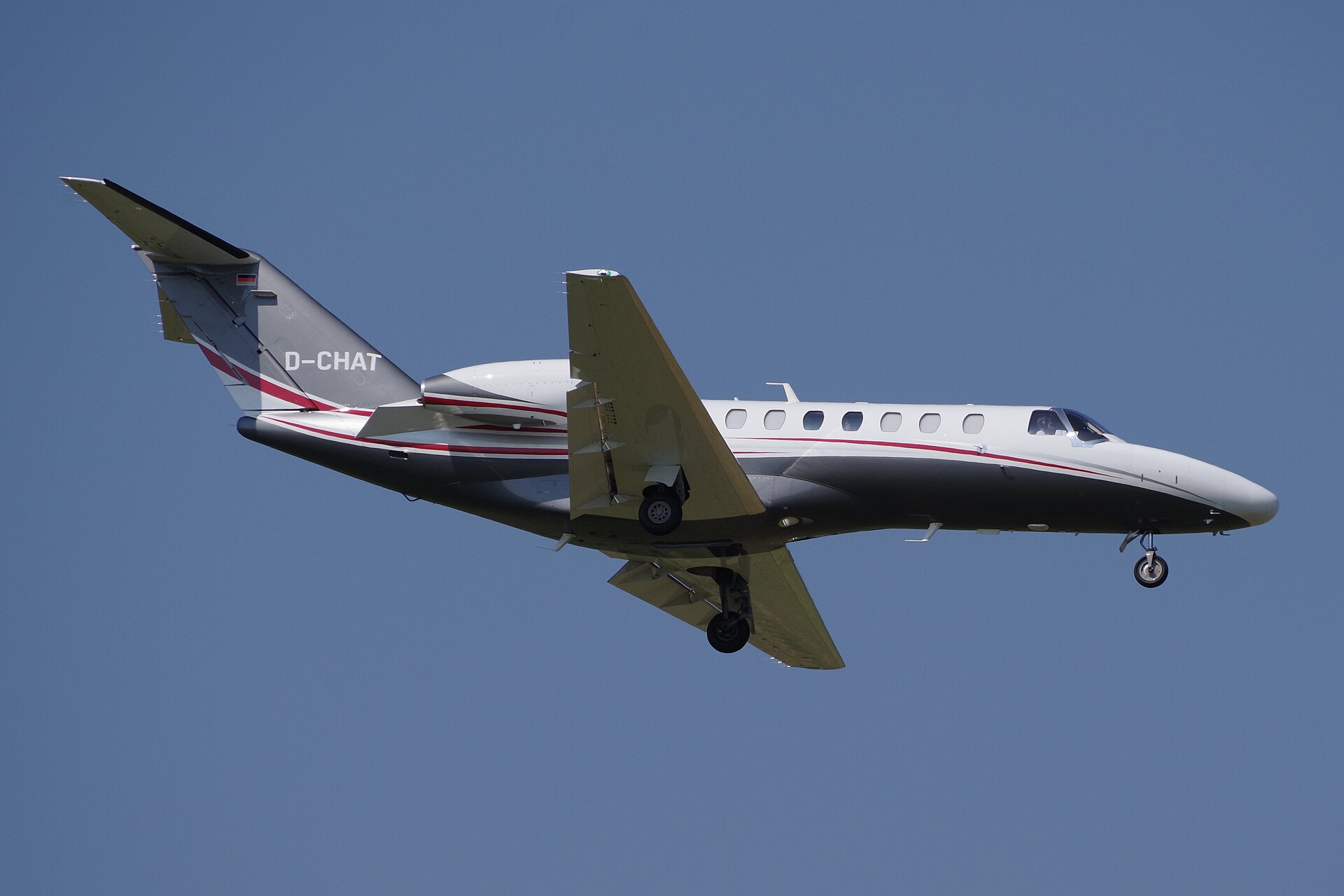
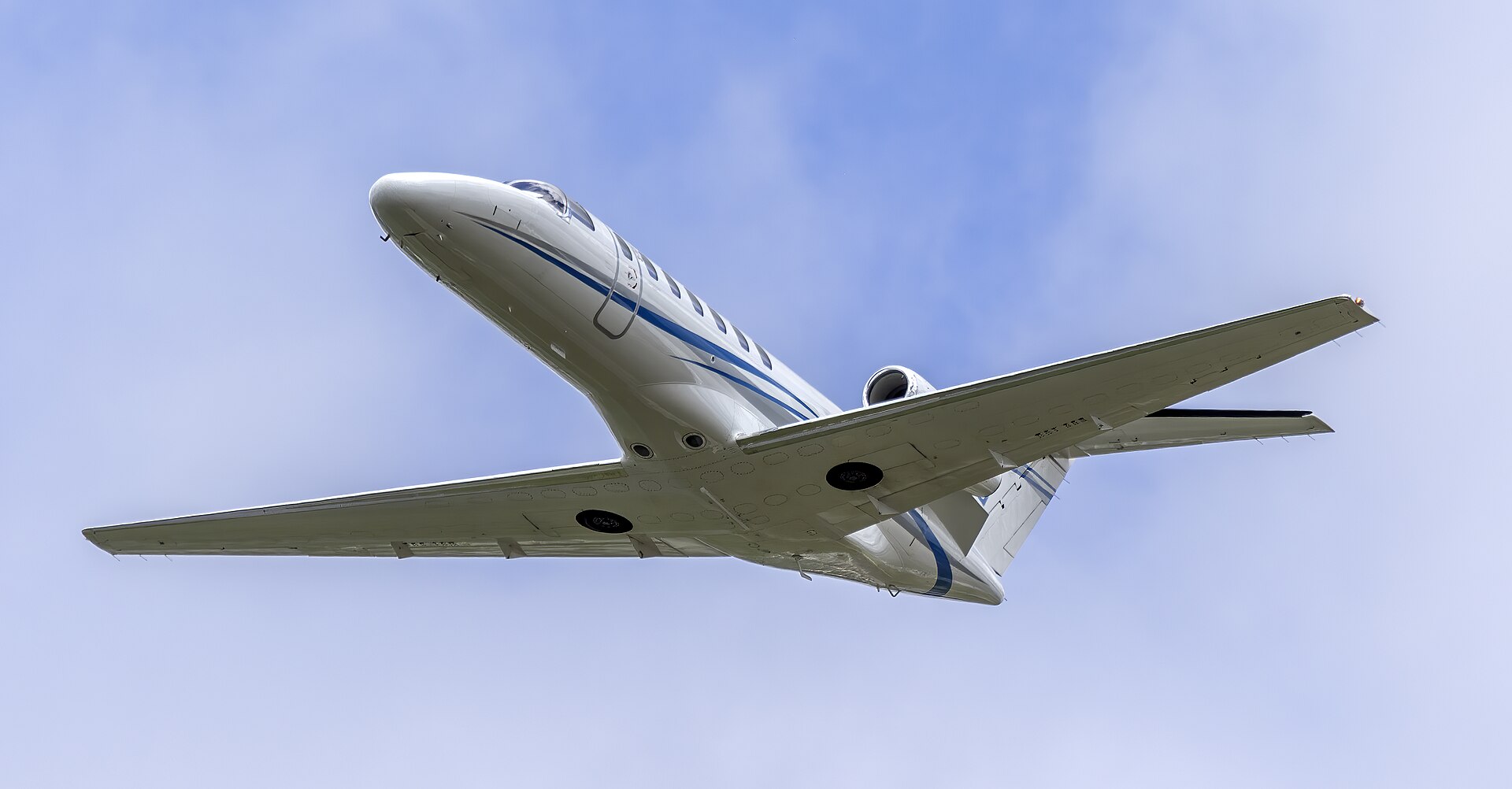
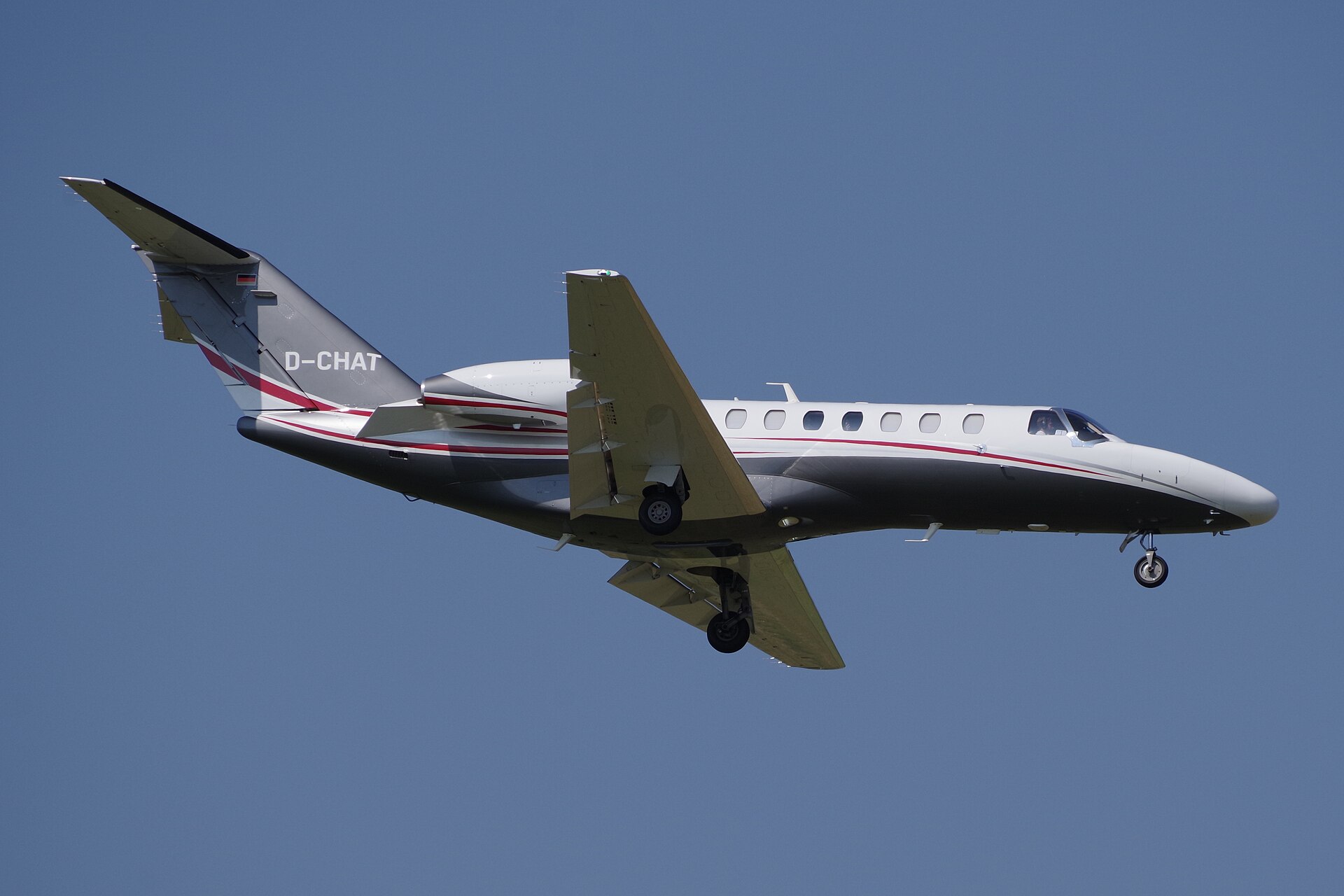
Cessna 525B CitationJet CJ3 (cn 640, D-CHAT) 2024-08-25 Andre Gerwing Collection ID 021780

IN DEPTH

The complete guide to chartering the Cessna Citation CJ3+

The story behind the Cessna Citation CJ3+

The Cessna Citation CJ3+ is the product of more than three decades of incremental refinement, tracing its lineage directly to the original CitationJet announced at the 1989 National Business Aviation Association convention and certified by the FAA in October 1992. That first aircraft, the Model 525, was conceived as an affordable single-pilot jet capable of operating from the same regional airports used by turboprops, yet offering true jet performance. It succeeded conspicuously. Over the following decade, Cessna progressively stretched the fuselage, uprated the Williams FJ44 engines and added cabin amenities to produce the CJ1, CJ2 and, in 2004, the CJ3 — a meaningfully larger aircraft with a cabin that seated seven in genuine comfort.

The CJ3+ arrived in 2014 as the definitive expression of that lineage. Textron Aviation, which had absorbed Cessna two years earlier, used the upgrade to address the one area where the original CJ3 was beginning to show its age: the flight deck. The Garmin G3000 Intrinzic touchscreen avionics suite replaced the earlier ProLine 21 system, bringing three large high-resolution displays, synthetic vision, integrated weather radar and a greatly simplified pilot workload. Critically, the G3000 installation preserved the aircraft's single-pilot type rating — a practical and commercial advantage that remains unmatched by most competitors at this size.

The broader Citation family has delivered over 1,900 aircraft across all variants, making it one of the most commercially successful business jet programmes in history. The CJ3+ inherits that reputation for mechanical reliability, straightforward maintenance and deep operator familiarity. For a charter client, this translates to a large pool of available aircraft, well-trained crews and consistent operating economics. It is, in many respects, the benchmark light jet against which every other aircraft in the category is measured.
On board: the cabin

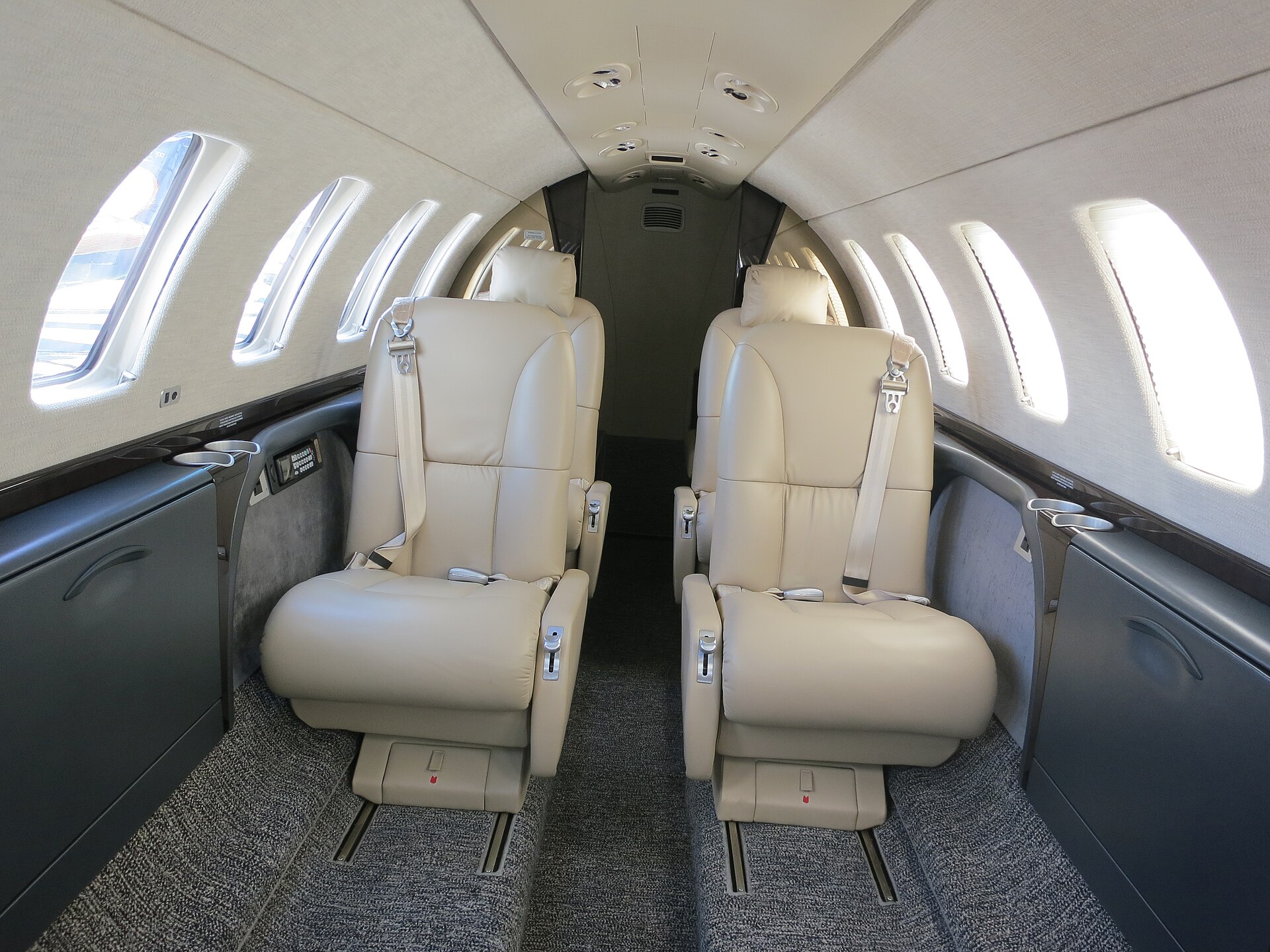
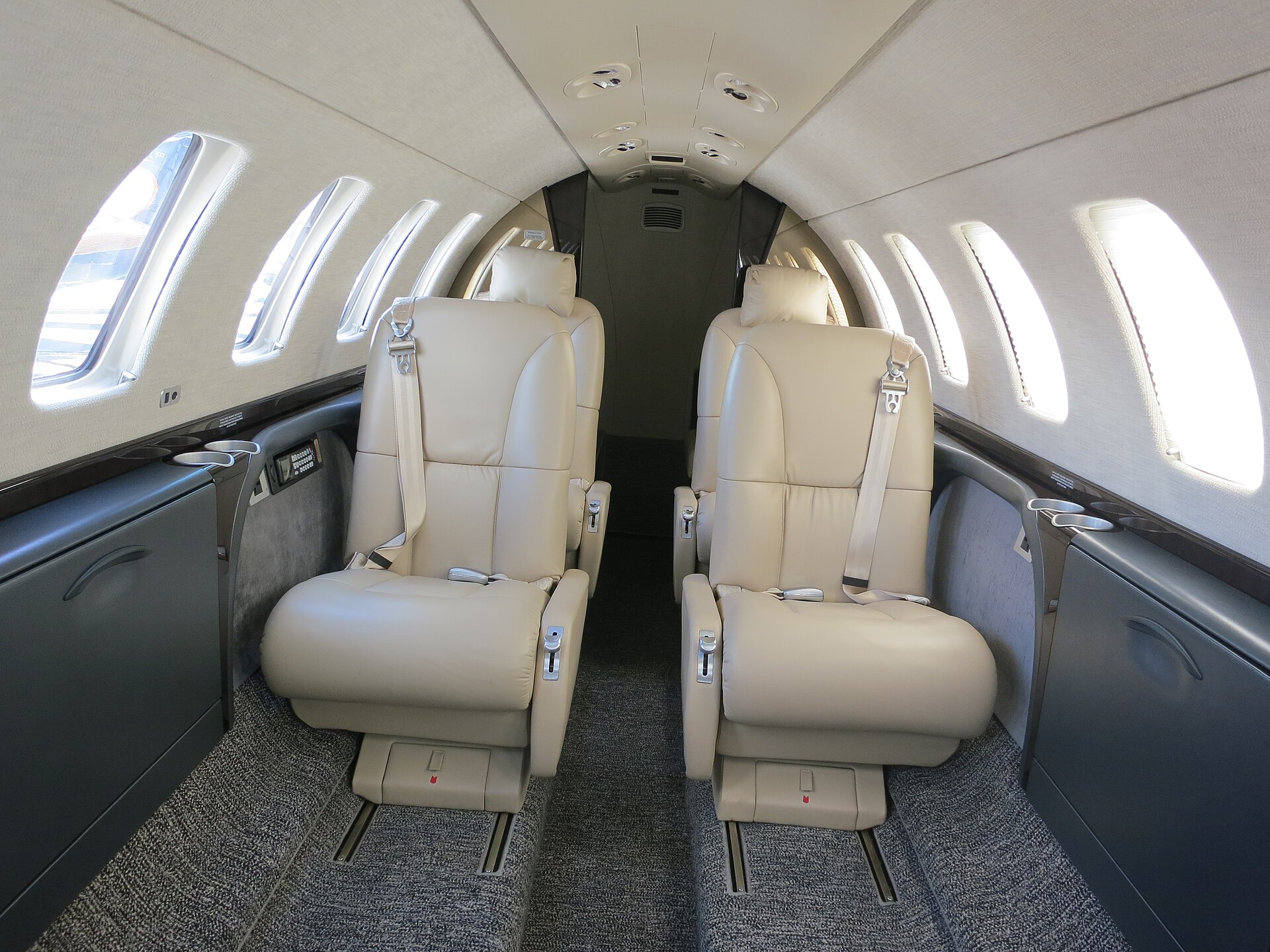
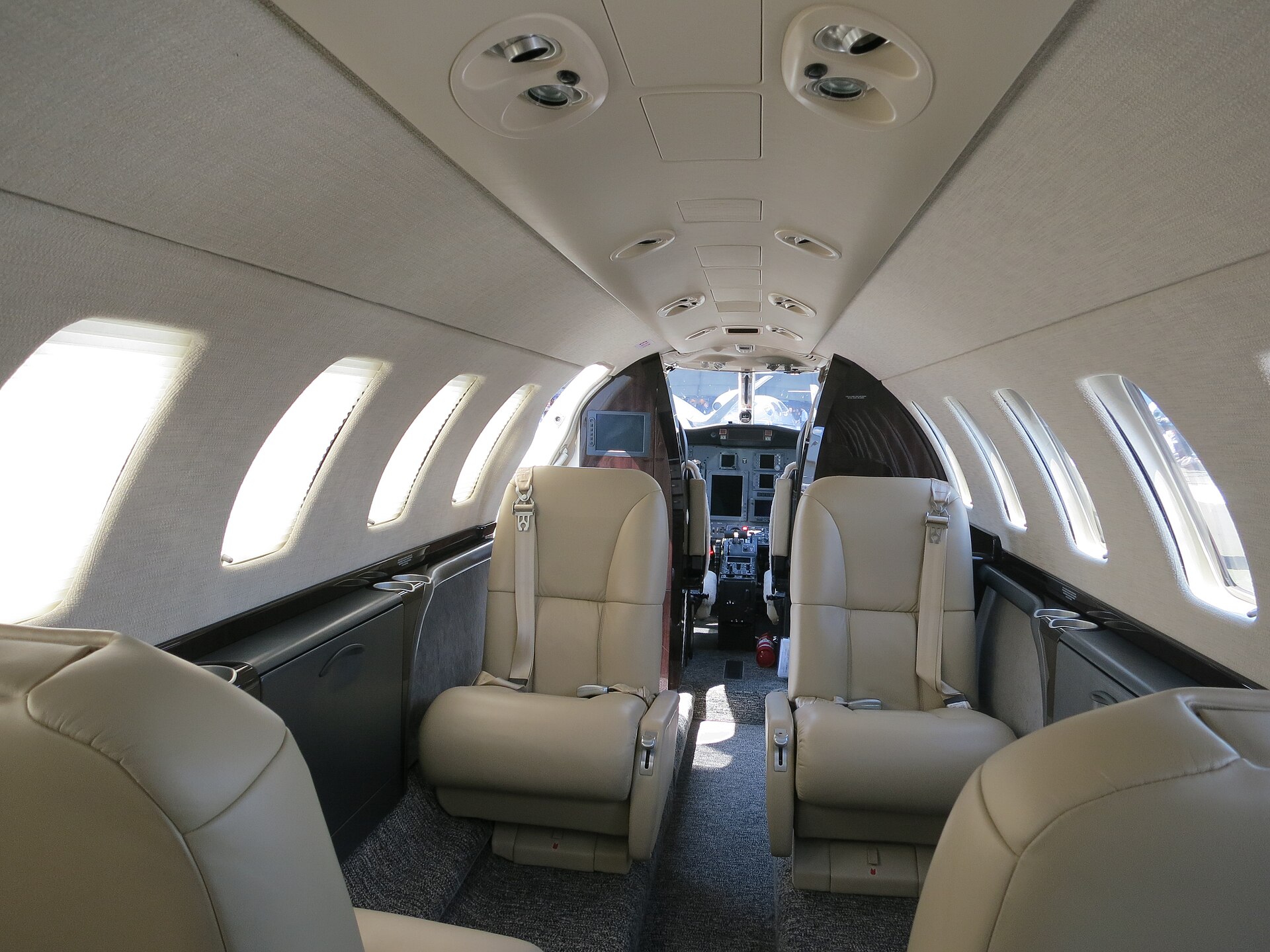
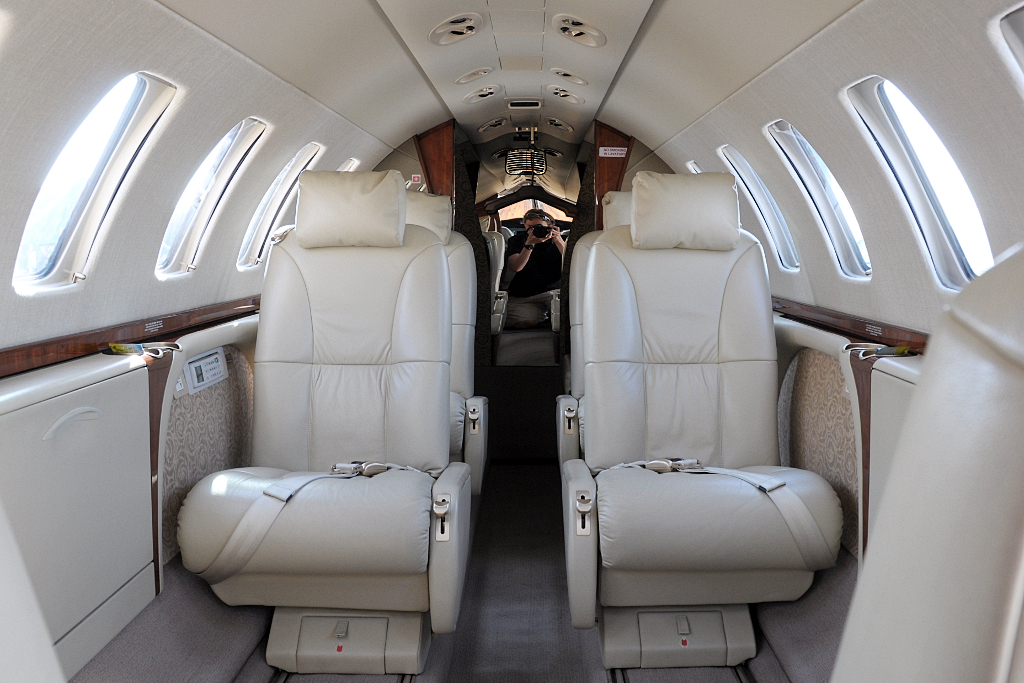
Step inside the CJ3+ and the first impression is one of purposeful efficiency rather than indulgence. The cabin measures 15 feet 7 inches in length, 4 feet 9 inches in width and 4 feet 9 inches in height — not a stand-up cabin, and narrower than the XLS+ or PC-24, but thoughtfully appointed. The standard configuration seats up to seven passengers in a forward club of four and a rear-facing double divan, though many charter operators configure the aircraft for six to allow more elbow room and a functioning work surface between the club seats.

Seating is typically upholstered in hand-stitched leather, with each club chair offering fore-aft adjustment and recline. Individual reading lights, personal air outlets and a dedicated power outlet at each seat position are standard. The forward refreshment centre accommodates chilled beverages and light catering, and the enclosed aft lavatory — a rarity at this cabin size — provides genuine privacy rather than a curtained alcove. Cabin noise levels are well managed thanks to sound-dampening insulation throughout the fuselage, and the pressurisation system maintains a cabin altitude of approximately 6,900 feet at the service ceiling of 45,000 feet.

Connectivity options vary by operator, but Wi-Fi via satellite or air-to-ground networks is available on a growing proportion of the European fleet. The baggage compartment offers 35 cubic feet of accessible external storage, suitable for a week's luggage for four passengers or golf bags for two. For weekend leisure travel, the CJ3+ cabin works well. For regular four-to-six hour sector work, some passengers will notice the width restriction, but on European routes — where sector times rarely exceed two and a half hours — the trade-off against the aircraft's operating economy is straightforward.

Performance, range and runway access

The CJ3+ is powered by two Williams International FJ44-3AP engines, each producing 2,820 pounds of thrust. Maximum cruise speed is 416 knots true airspeed at altitude, with a long-range cruise figure of around 391 knots. NBAA IFR range with four passengers is 2,040 nautical miles, which comfortably spans London Farnborough to Marrakech (1,460 nm), London to Moscow Vnukovo (1,550 nm) or Dublin to Dubai with a fuel stop in Athens. The service ceiling of 45,000 feet allows the aircraft to climb above most North Atlantic weather and transatlantic turbulence when routing via Iceland.

The short-field performance figures are genuinely impressive. The CJ3+ requires only 3,180 feet of balanced field length for take-off at maximum weight at sea level on a standard day — a figure that opens Courchevel's plateau strip or Lugano's 3,937-foot runway to careful operators. Landing requires 2,770 feet. This capability means the aircraft can serve a very wide range of European airports including Samedan (St Moritz), Biarritz, Deauville and Waterford — fields that eliminate the need for surface transfers of an hour or more. The single-pilot certification means a charter aircraft can be operated by one appropriately rated captain in some regulatory frameworks, though most UK AOC operators fly with two crew for duty-time and redundancy reasons.

Fuel burn averages around 130 US gallons per hour, making the CJ3+ one of the most economical jets in its class on a per-seat basis. Time from brake release to 45,000 feet is approximately 24 minutes, and the aircraft is approved for RVSM, RNP AR and CAT I ILS operations.

Signature missions and best routes

The CJ3+ earns its keep on two- to three-hour European sectors where the combination of short-field access and per-seat economics eliminates a competitor's advantage. The London Farnborough–Geneva leg (460 nm, around 70 minutes airborne) is a natural fit: the aircraft turns round quickly, the crew can remain on duty for a same-day return and the total charter cost for a small group represents excellent value against a comparable midsize jet. Similarly, the Paris Le Bourget–Nice Côte d'Azur route — heavily used by corporate clients attending industry events — can be operated comfortably in under an hour.

Where the CJ3+ genuinely distinguishes itself is on routes requiring access to constrained airports. A client needing to reach Ibiza from London with a return the same evening will find the CJ3+ able to use a range of smaller Balearic airstrips. Edinburgh to Zurich, Milan Linate (with its strict slot regime and 8,005-foot runway) or Madrid Cuatro Vientos are all within the aircraft's everyday operating envelope. The 2,040 nm range also supports non-stop routing from the United Kingdom to Marrakech Menara or Tel Aviv Ben Gurion (1,920 nm from Farnborough), missions where a very light jet would need a fuel stop.

Leisure travellers booking shooting weekends in Inverness, ski departures to Innsbruck or Friedrichshafen, or corporate groups heading to the Monaco Grand Prix via Nice will find the CJ3+ a practical, cost-conscious choice. For a four-seat group, it frequently undercuts a helicopter–commercial airline combination on both price and door-to-door journey time.

Operating economics and charter pricing

The CJ3+ is one of the most competitively priced true jets available for charter in Europe. Hourly all-in charter rates in 2024–25 typically fall between £3,200 and £3,800 per flight hour, depending on operator, positioning requirements and season. On a well-positioned aircraft with minimal ferry, expect to pay in the region of £10,800–£22,000 for a London Farnborough to Nice sector in standard season, or £8,400–£17,000 for a London to Edinburgh return. A Geneva ski weekend — outbound Friday evening, inbound Sunday afternoon — generally prices at £16,800–£36,000 all-in for up to six passengers.

Fuel burn of approximately 130 US gallons per hour and relatively modest maintenance intervals keep the variable cost per hour lower than any turbofan competitor at this size, roughly £700–£1,500 per hour for fuel alone at current Jet-A prices. The single-pilot certification means that some operators pass crew-cost savings on to charter clients, further improving the per-seat economics on short-notice bookings. Positioning fees apply when the nearest available aircraft is more than 30–45 minutes away, a consideration worth discussing with Limitless Sky at the enquiry stage.

For groups of four to six travelling two to three times per month on sub-1,500 nm routes, the CJ3+ represents perhaps the clearest value proposition in light jet charter. The cost per seat on a London–Geneva round trip for five passengers works out at approximately £3,300–£7,200 — comparable to a business-class scheduled return, without the airport transfer, check-in, connection or baggage-reclaim penalty.

How the Citation CJ3+ compares

The CJ3+'s most direct competitors are the Embraer Phenom 300E, the Pilatus PC-12 NG turboprop and, to a lesser extent, the older Beechcraft Premier I. Against the Phenom 300E — generally regarded as the fastest single-pilot light jet in production — the CJ3+ concedes approximately 25 knots of cruise speed and around 400 nm of range, but retains advantages in short-field performance and total cost per flight hour. The Phenom 300E typically commands a 15–25% charter premium over the CJ3+.

Compared with the Pilatus PC-12 NG, the CJ3+ is faster, pressurises to a higher cruise altitude and carries a higher useful load at max fuel, but the PC-12's turboprop economics and unpaved-runway capability give it a distinct advantage on certain African, Scandinavian and Central Asian routes. Within Europe, the jet speed and higher ceiling of the CJ3+ generally tip the balance in its favour for passengers prioritising journey time. Against the HondaJet Elite II, the CJ3+ offers a larger cabin, greater range and a stronger used-aircraft support network, though the HondaJet's striking design and slightly lower charter rate attract first-time charter clients.

The CJ3+ sits in a well-defined niche: it is genuinely more capable than a very light jet, substantially cheaper than a midsize aircraft and more widely available than newer entrants such as the Cirrus Vision Jet SF50. Its longevity in the market — more than 500 CJ3-series aircraft delivered — means crew training, parts support and avionics updates are all well-established, a practical reliability benefit that charter clients rarely consider but operators prize highly.

Verdict: who should charter the Citation CJ3+?

The CJ3+ is the aircraft of choice for the pragmatic frequent flyer: someone who understands that the purpose of a private jet is to reclaim time efficiently, who travels in groups of two to five, and who would rather pay a fair rate for a proven, reliable aircraft than a premium for a brand statement. It suits corporate executives on short European hops, entrepreneurs who need to reach two cities in a single working day without commercial airline delays, and families heading to ski or sun who want a seamless departure from a conveniently located airfield.

It is less well suited to passengers who require a stand-up cabin, who regularly travel in groups of seven or more, or whose primary routes are transatlantic. Those clients should consider the XLS+ or a midsize aircraft. Similarly, a client whose preferred destination is served only by a very short mountain strip may find that the PC-24 or a turboprop offers superior access.

For Limitless Sky clients who place a premium on value, reliability and short-field access — particularly across the UK, Western Europe and the Mediterranean basin — the CJ3+ is frequently our first recommendation at the light jet tier. Contact us at charter@thelimitlesssky.com for a tailored quote and same-day availability check.

PHOTO GALLERY

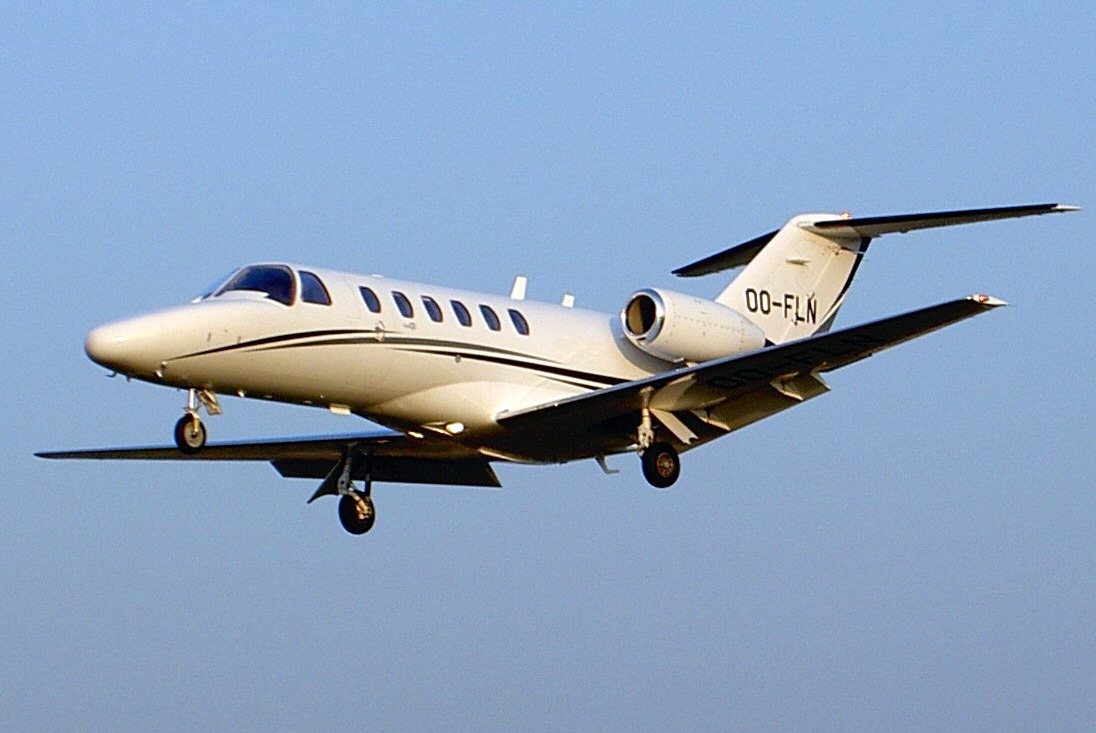
Cessna Citation CJ3+ — exterior & cabin

Reference photography of the Cessna Citation CJ3+ (and sister types within the same cabin family where noted). Images sourced from Wikimedia Commons under Creative Commons licences.

EXTERIOR

Cessna 525B CitationJet CJ3 (cn 640, D-CHAT) 2024-08-25 Andre Gerwing Collection ID 021780
Cessna 525B CitationJet CJ3 (cn 640, D-CHAT) 2024-08-25 Andre Gerwing Collection ID 021780 · André Gerwing · CC BY-SA 4.0 via Wikimedia Commons
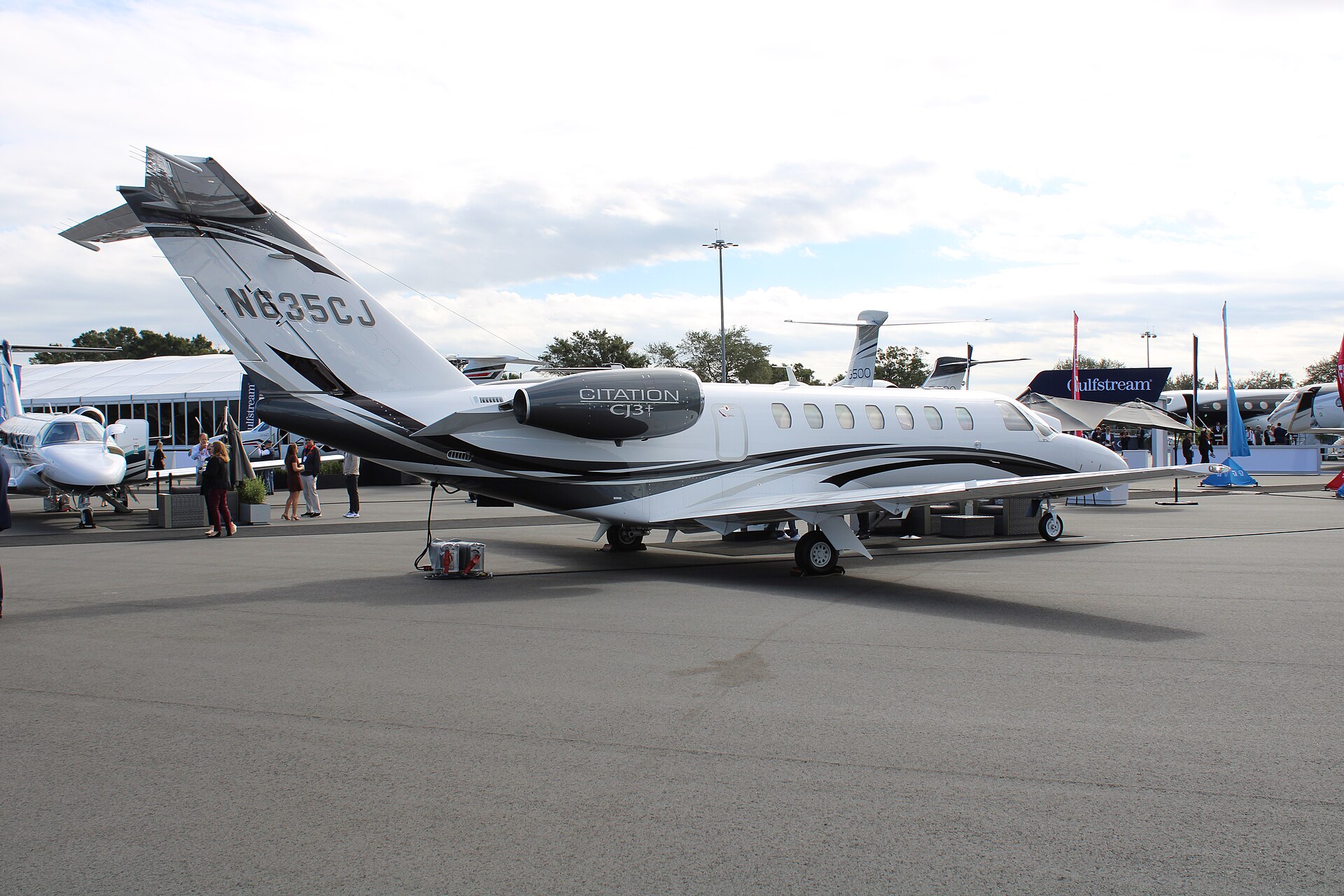
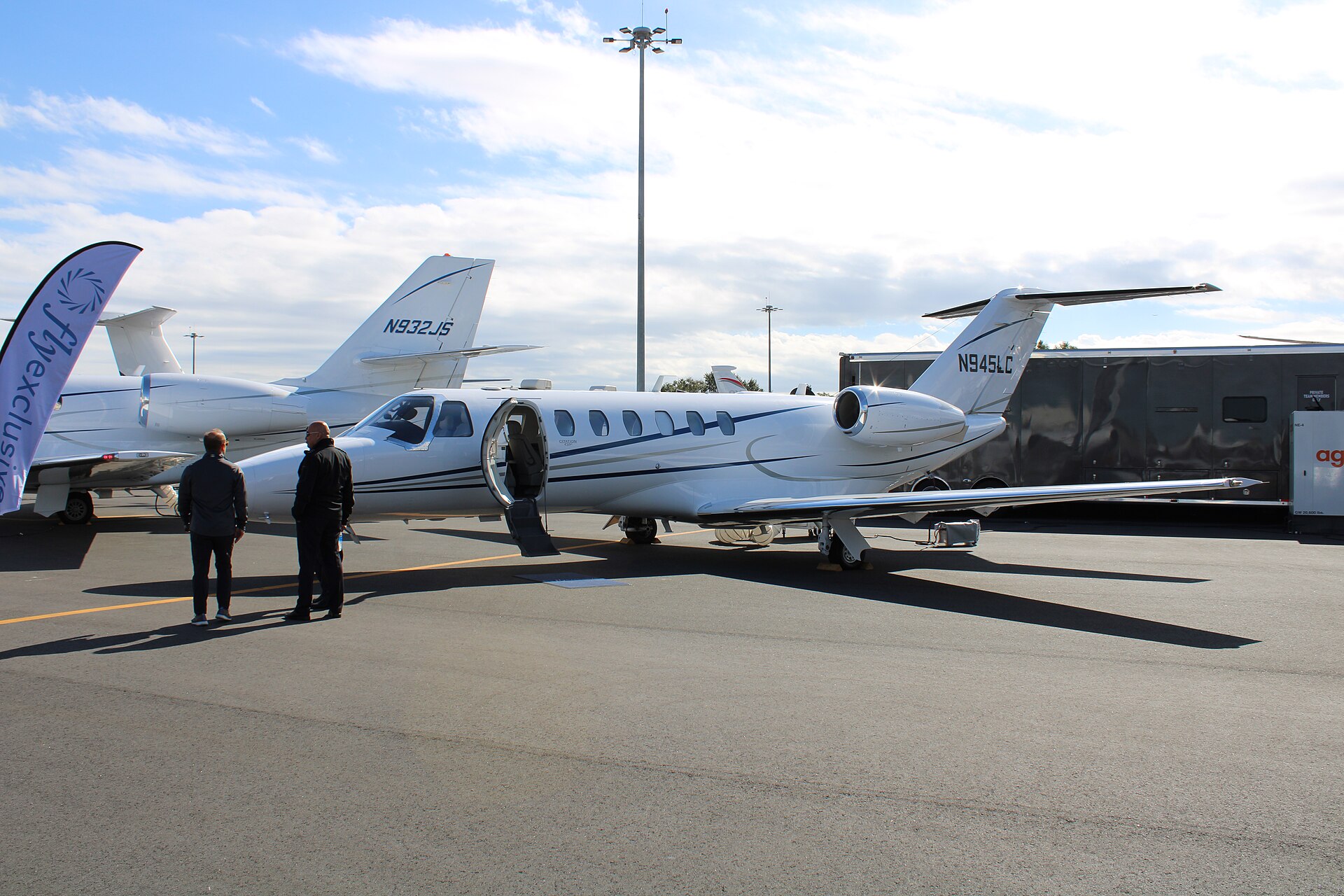
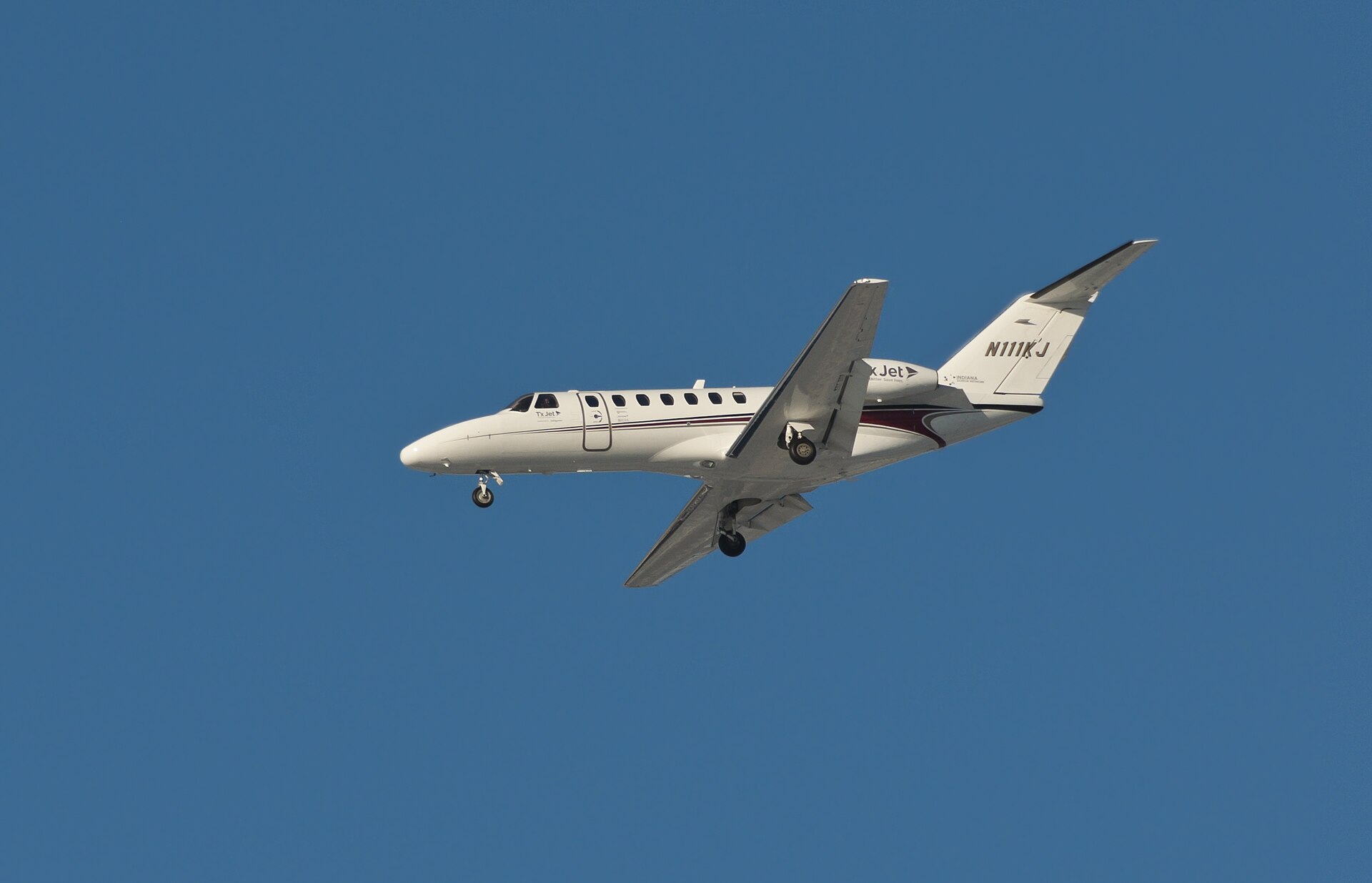
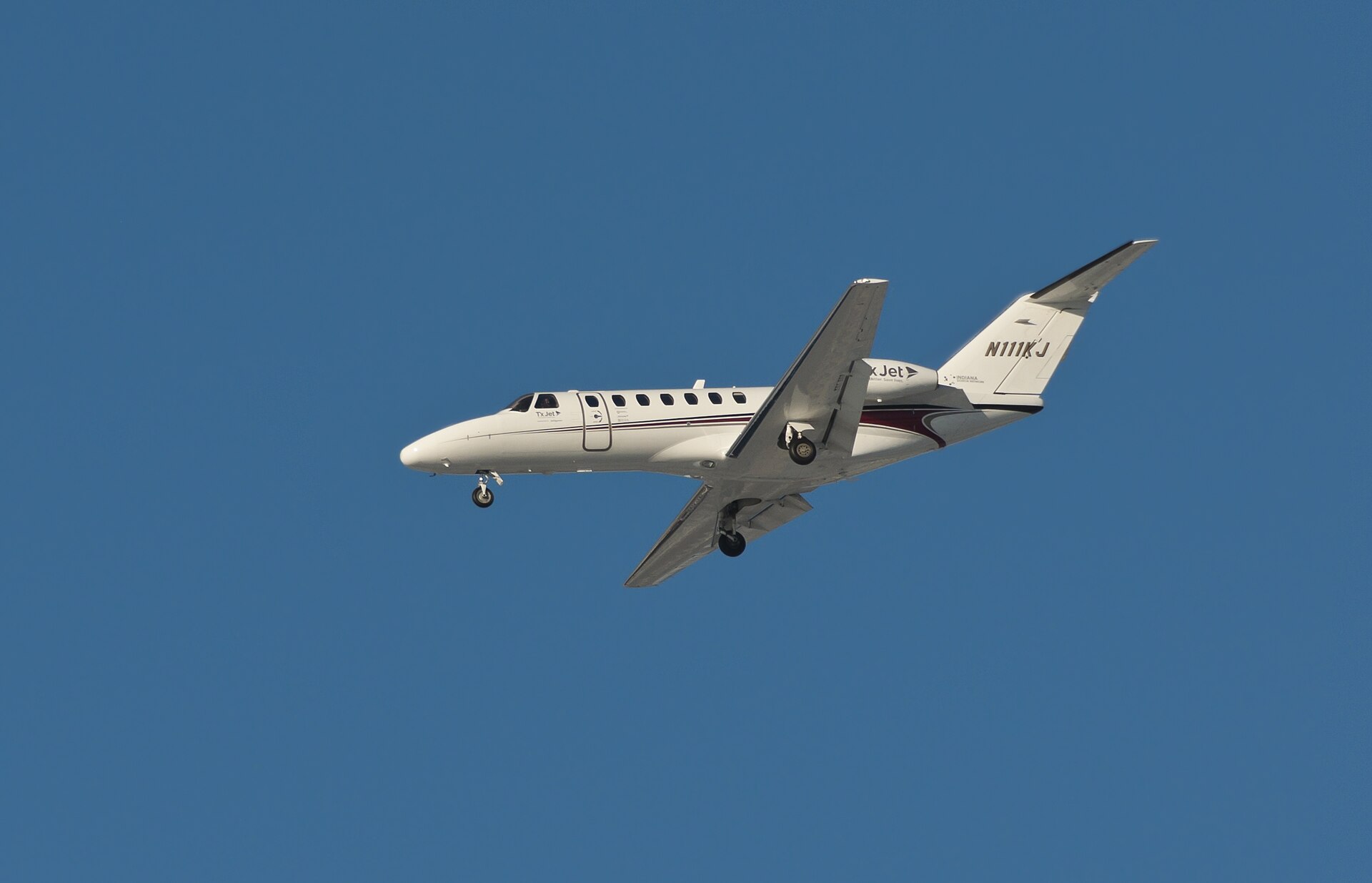
Cessna 525B Citation CJ3 N111KJ
Cessna 525B Citation CJ3 N111KJ · Sixflashphoto · CC BY-SA 4.0 via Wikimedia Commons

INTERIOR

Cabin of Cessna 525B CitationJet 3
Cabin of Cessna 525B CitationJet 3 · Biggerben · CC BY-SA 3.0 via Wikimedia Commons
Cessna Citation CJ3 Cabin
Cessna Citation CJ3 Cabin · JetRequest.com · CC BY-SA 3.0 via Wikimedia Commons

SPECIFICATIONS

Cessna Citation CJ3+ specifications

Passengers6–7
Range2,040 nm
SpeedMach 0.737
Cabin height4'9"
Cabin width4'10"
Baggage65 cu ft
Runway3,180 ft

CABIN EXPERIENCE

On board the Cessna Citation CJ3+

  • Six fully-reclining executive seats in a club-four plus two-place configuration
  • Enclosed aft lavatory with belted seat
  • Refreshment centre with hot/cold storage
  • Single-pilot certified — quieter cabin and lower operating cost

BEST ROUTES

Where the CJ3+ flies best

London → Paris

from £3,900

Ibiza → Nice

from €4,300

Munich → Milan

from €4,100

BROWSE ALL ROUTES →

CHARTER PRICING

Cessna Citation CJ3+ charter pricing

ROUTEESTIMATED PRICE
London → Genevafrom £5,000
Nice → Olbiafrom €3,500
Miami → Nassaufrom $4,500

Indicative all-inclusive one-way pricing — aircraft, crew, fuel, handling, catering and taxes. Confirmed quote in 10 minutes.

WHO SHOULD CHARTER THIS

Why choose the Cessna Citation CJ3+?

The right client profile for the CJ3+: 6–7 passengers, missions inside its 2,040 nm range, and routes where the light jet cabin size is the sweet spot between cost and comfort.

  • Lowest seat-mile cost in its class
  • Short-runway access — Lugano, Courchevel, London City alternatives
  • Honeywell Primus avionics with synthetic vision

RANGE & LIMITATIONS

What the CJ3+ can — and can't — do

Non-stop range

2,040 nm with typical payload. Missions beyond this figure require a technical fuel stop — expect 30–45 minutes on the ground and a modest re-quote. On strong headwinds or full-cabin days the practical range trims by 5–10%.

Runway requirement

Balanced-field length around 3,180 ft. Rules out very short-strip airfields (Courchevel, Lugano, London City steep-approach) unless the airframe is specifically certified — our ops team validates every airport pairing before we confirm the quote.

Payload & baggage

65 cu ft of hold space with 6–7 passengers. Ski, golf and dive equipment fit for most parties; larger groups with full luggage should size up one category to preserve the range figure above.

HEAD TO HEAD

CJ3+ vs Phenom 300

The CJ3+ wins on operating cost and short-runway flexibility; the Phenom 300 offers slightly more range, speed and a larger baggage hold.

FAQ

Frequently asked

How much does a Citation CJ3 charter cost?

Hourly rates start at approximately $3,200/hr. A typical London–Paris one-way is £3,900–£8,500 all-inclusive.

What is the maximum range of the CJ3+?

2,040 nautical miles with NBAA IFR reserves — enough for London to Athens or New York to Denver nonstop.

Is Wi-Fi available onboard?

Yes — most aircraft in this class offer high-speed Ka-band or Starlink connectivity suitable for video calls and streaming throughout cruise.

Can pets fly on board?

Many operators permit pets in the cabin, subject to aircraft-owner approval, destination rules, documentation and any operator-specific charges. Tell us the species and weight when you request a quote.

How quickly can the aircraft be ready?

Once a quote is confirmed, this aircraft can typically be positioned within 2–4 hours anywhere in its home region, and within 24 hours globally.

FURTHER READING

Planning the CJ3+ for business or leisure

SIMILAR AIRCRAFT

Also in Light Jet

HEAD-TO-HEAD

Compare the CJ3+

ALL COMPARISONS →

CESSNA CITATION CJ3+ CLUSTER

Everything connected to the Cessna Citation CJ3+

Ready to charter the Cessna Citation CJ3+?

Quotes in 10 minutes. Aircraft positioned within hours. 24/7, worldwide.

REQUEST A QUOTE

Cessna Citation CJ3+ gallery

Exterior and cabin photography of the Cessna Citation CJ3+ type.

Limitless Sky ownership desk

What it costs to buy, operate and charter out a Cessna Citation CJ3+

A five-year planning model on the same assumptions as our ownership vs charter vs fractional analysis: 100 owner-occupied hours a year, 15% owner positioning, 190 third-party charter hours sold on a managed certificate at an 85% owner revenue share, and 24% market depreciation over the hold.

Acquisition

Indicative market value€4.30m – €6.41m
Model purchase price used€5,250,000
Inspection, legal and delivery (2%)€105,000
Residual value after 5 years€3,990,000

Annual cost of operation

Fixed cost (crew, hangar, insurance, management)€300,000
Direct operating cost per aircraft hour€900
Owner missions (114.99999999999999 aircraft hours)€103,500
Annual cash operating cost before charter€403,500

What renting it out brings in

Charter sold (190 occupied hours at €3,000)€570,000
Owner share at 85%€484,500
Direct cost of those flights (228 aircraft hours)(€205,200)
Net annual contribution to fixed costs€279,300
Share of fixed costs covered93%
Charter hours needed to cover all fixed costs204 hours

Five-year verdict

Net five-year cash cost, with charter income€2,105,700
Cost per owner-occupied hour€4,211
Cost per hour if never chartered out€7,004
Opportunity cost of tied-up capital (4%/yr)€1,050,000
Methodology and sources— how these numbers are built

Purchase price band

The €4.30m€6.41m band is an indicative pre-owned range for a well-maintained, mid-life Cessna Citation CJ3+ on a current maintenance and engine programme, in a typical European charter specification. It is built from published asking prices and retail transaction ranges (Duncan Aviation market letters, AvBuyer and Controller listings, VREF and Aircraft Bluebook retail guidance), then narrowed against what our desk sees pay-and-close in Europe. The model uses a single point inside that band, €5,250,000, so the five-year output is reproducible. Serial number, total time, cycles, engine-programme enrolment, avionics mandates, interior age and import/VAT status routinely move a real transaction outside the band in either direction.

Fixed cost assumptions

€300,000 a year covers two (or, for larger cabins, three) crew with training and recurrent sim, hangarage at a European base, hull and liability insurance, the management fee on a third-party AOC, navigation and weather subscriptions, and scheduled non-flying charges. It excludes financing, tax, extraordinary maintenance events and cabin refurbishment. Sources are operator and management-company budget templates for the type, cross-checked against NBAA and Conklin & de Decker fixed-cost structures.

Direct operating cost per hour

€900 per aircraft hour is fuel at prevailing European Jet A-1 pricing, engine and airframe programme accruals, APU and landing-gear reserves, landing, handling and navigation fees, catering and crew expenses. It is applied to actual aircraft hours, not occupied hours: owner trips carry a 15% positioning uplift and third-party charter carries 20%, which is what repositioning empty legs cost in practice.

Charter revenue estimate

190 third-party occupied hours a year at a wholesale base rate of €3,000 per hour is what a managed Cessna Citation CJ3+ realistically sells in Europe once owner availability, maintenance downtime and seasonality are taken out — not the retail rate a client pays. The rate is the operator-level rate band we transact at on Avinode and directly with operators; the owner keeps 85% under a standard management agreement, with the balance retained by the operator. Ferry, fuel surcharges, de-icing and overnights on charter missions are captured in the direct-cost line rather than netted off the rate.

Depreciation and the five-year frame

24% market depreciation is applied over a 5-year hold, with 2% acquisition costs (inspection, legal, delivery) at entry and 3% selling costs at exit. Owner utilisation is held at 100 occupied hours a year across every aircraft so types can be compared like for like. Capital opportunity cost is shown separately at 4% simple per year and is not added into the cash cost. The same frame drives our ownership vs charter vs fractional analysis and the most profitable jets to own ranking, so the three never disagree.

Review cadence

Values are reviewed each quarter against the same sources and re-published in one dataset, so every aircraft page moves together. Read our editorial standards for how we source and correct figures.

Indicative planning estimates prepared by the Limitless Sky desk — not an appraisal, charter quotation, offer or tax advice. Figures are pre-tax and pre-financing and exclude recoverable VAT, extraordinary maintenance and substitute lift during downtime. Actual values depend on serial number, hours, maintenance and engine-programme status, specification, base and charter demand. Ask the desk for a tail-specific forecast, or charter the Cessna Citation CJ3+ instead and skip the balance sheet entirely.

Interactive · ownership desk

Run your own numbers on the Cessna Citation CJ3+

Move your annual flying, the charter hours you are willing to release, the management fee your operator charges and how long you intend to hold the aircraft. Buy versus charter-out break-even updates instantly.

Your assumptions

Buy versus charter out

Net cost of owning over 5 years€2,105,700
Cost per owner-occupied hour€4,211
Same hours bought on the charter market€1,770,000
Indicative retail charter rate per hour€3,540
Owning costs more€335,700

Break-even

Owner hours a year where owning beats chartering127 h
Charter hours a year to cover the whole fixed budget204 h
Charter income after the cost of flying it€279,300 / yr
Share of fixed costs covered93%

At 100 hours a year, chartering is cheaper than owning the Cessna Citation CJ3+ by €335,700 over the hold. Owning turns cheaper from around 127 hours a year.

Pre-tax, pre-financing planning estimates on the same frame as the tables above: 15% owner positioning, 20% positioning on charter, 2% acquisition cost, 3% selling cost, and published five-year depreciation scaled linearly to your resale horizon. Retail comparison rate is the wholesale base rate plus 18%. Ask the desk for a tail-specific forecast.

KNOWLEDGE GRAPH

Where the Cessna Citation CJ3+ fits in our aviation graph

Routes, destinations and airports this aircraft typically serves — plus peers in the same class and family.

Book HereDo you have a question?