The story behind the Embraer Legacy 500 and Praetor 500
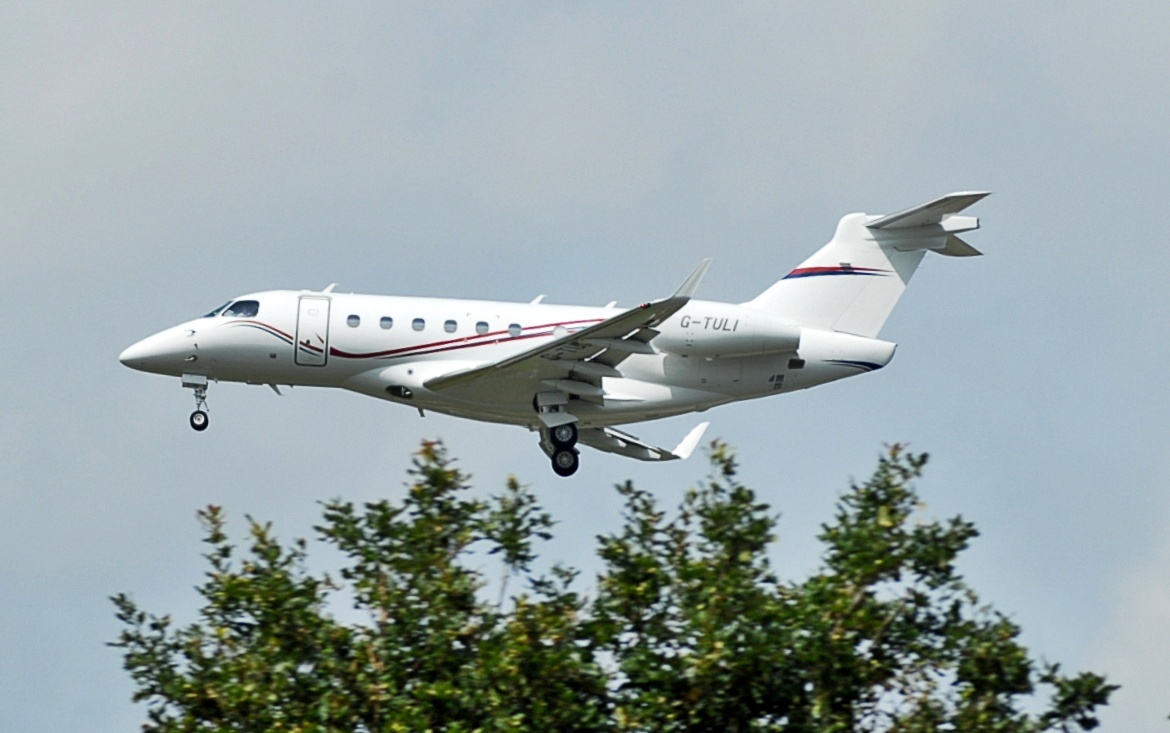
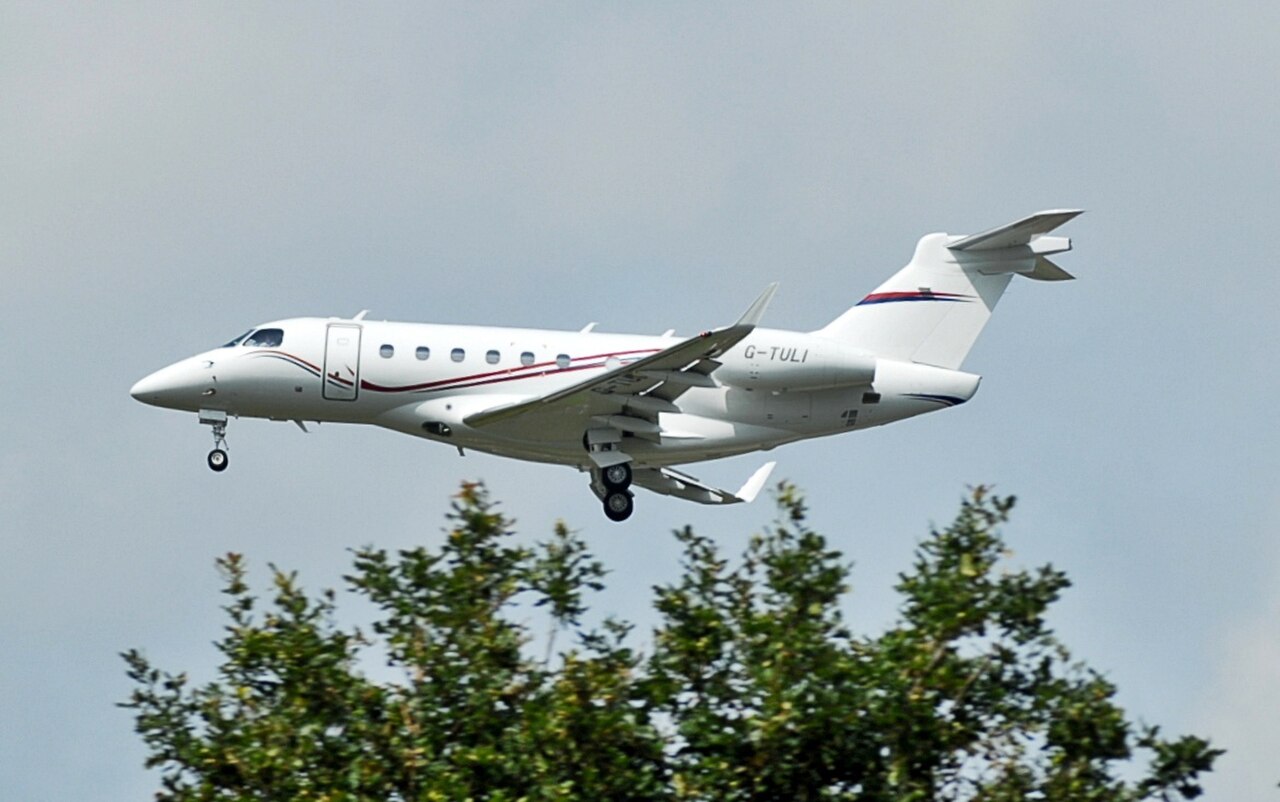
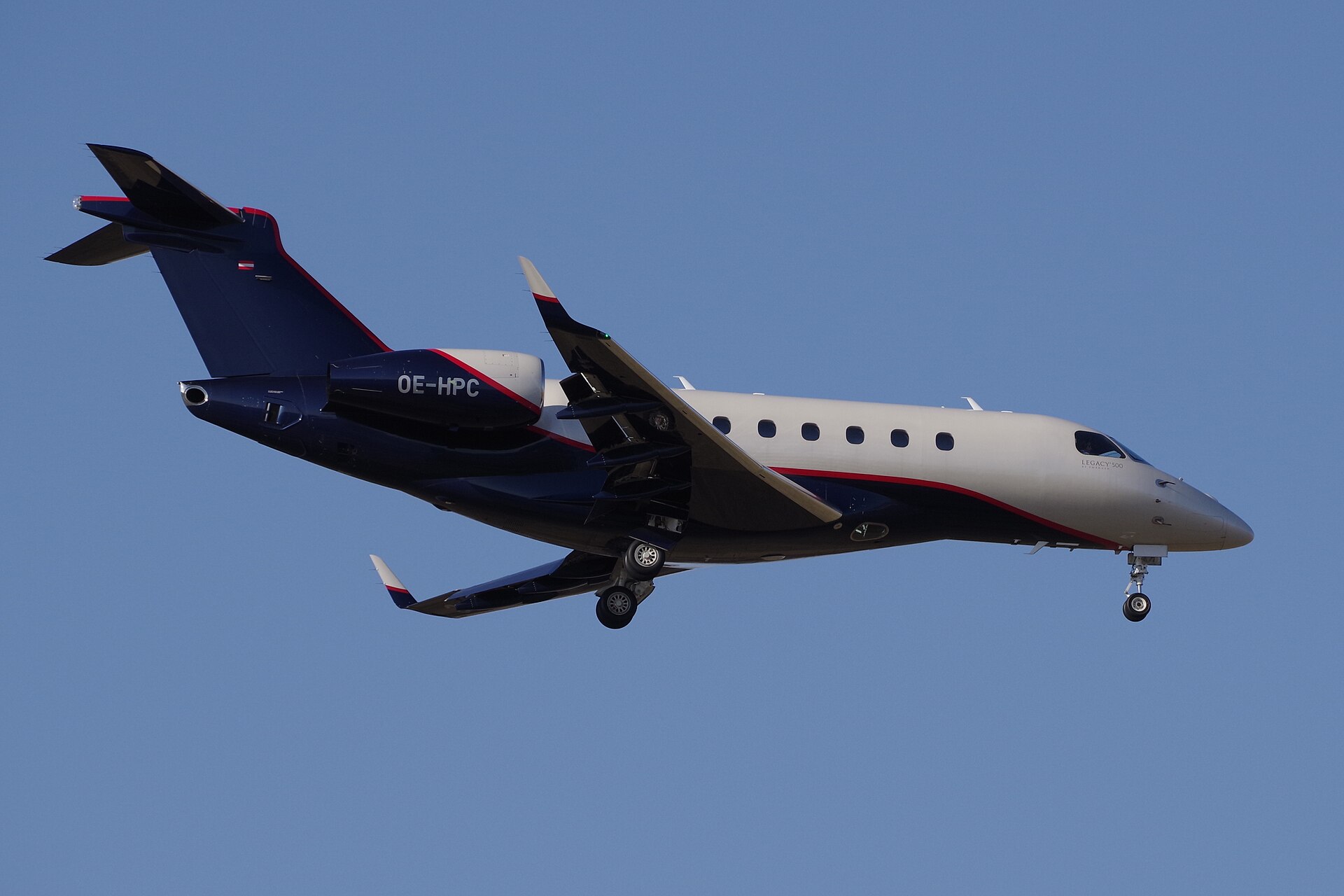
The Embraer Legacy 500 is the aircraft that changed the competitive calculus of the midsize jet market. When it was certificated in late 2014 and entered service in 2015, it became the first jet in the midsize category — anywhere in the world — to offer both a full flat-floor cabin and a fly-by-wire flight control system. Those two features, familiar in commercial aviation and in Embraer's own E-Jet regional airliner family, had never before been applied to a midsize business jet. The result was an aircraft that combined the stand-up cabin environment of a super-midsize competitor with the charter economics of a midsize type.
The Legacy 500's programme history began in earnest with the aircraft's public launch in April 2008 at EBACE in Geneva, though the development timeline was extended as Embraer refined the fly-by-wire architecture and the pressurisation system that would achieve best-in-class cabin altitude figures. The first flight of the prototype took place in November 2012, followed by a two-year certification campaign. At certification, the Legacy 500 offered a range of 3,125 nautical miles — enough to fly London to Riyadh or New York to Los Angeles comfortably — with up to 12 passengers in a 24.5-foot flat-floor cabin.
The Praetor 500 arrived in 2019 as the production evolution of the Legacy 500, following Embraer's announcement of the Praetor family at the 2018 NBAA convention. The changes are substantive: additional fuel capacity, improved HTF7500E engine tune, new winglets and enhanced avionics boosted range to 3,340 nautical miles — the longest in the midsize jet category at the time of certification. Cabin altitude at FL450 was improved to 6,000 feet, matching the Praetor 600 and setting a new standard for the midsize segment. The Legacy 500 ceased production in 2020, and today charter clients will encounter a mix of both designations on the global fleet.