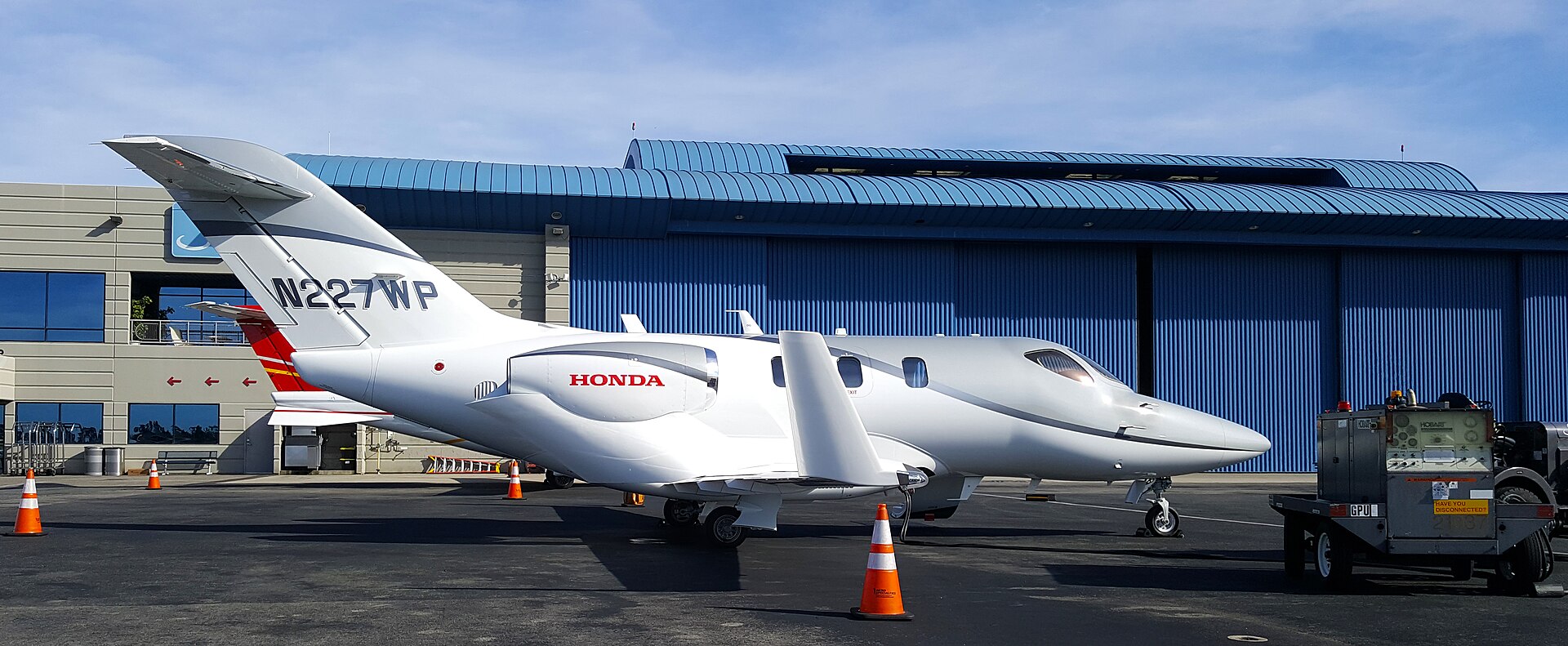
The story behind the HondaJet Elite II
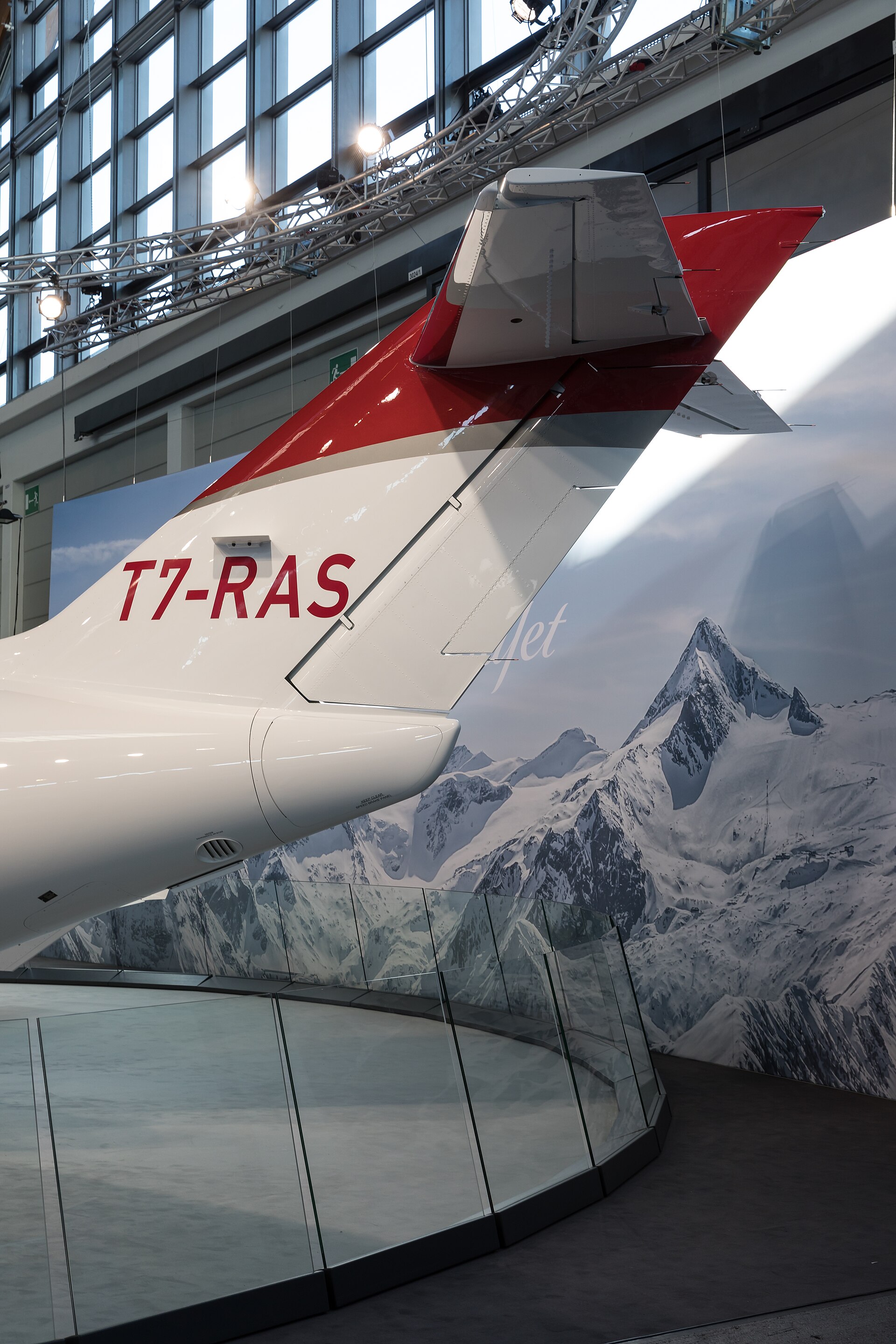
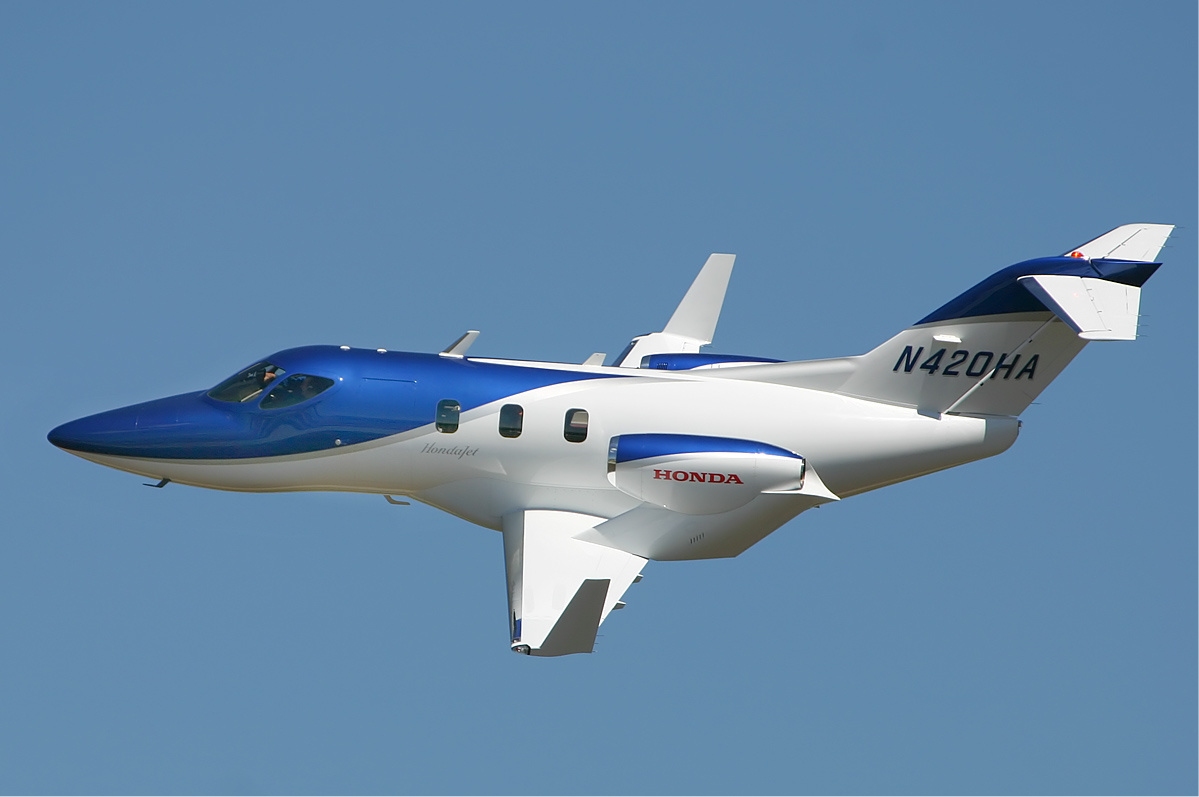
The HondaJet is perhaps the most consequential piece of original engineering to enter the very light jet category since the original CitationJet. Honda's aviation research began not in a boardroom but in a wind tunnel: Michimasa Fujino, the aeronautical engineer who would become Honda Aircraft Company's chief executive, began investigating Over-The-Wing Engine Mount (OTWEM) configurations in the late 1980s as part of Honda's internal R&D programme. His research showed that mounting engines on pylons above and slightly aft of the wing root — rather than at the tail in the conventional arrangement — produced a dramatic improvement in cabin volume, a reduction in structural interference drag and a meaningful increase in cruise efficiency.
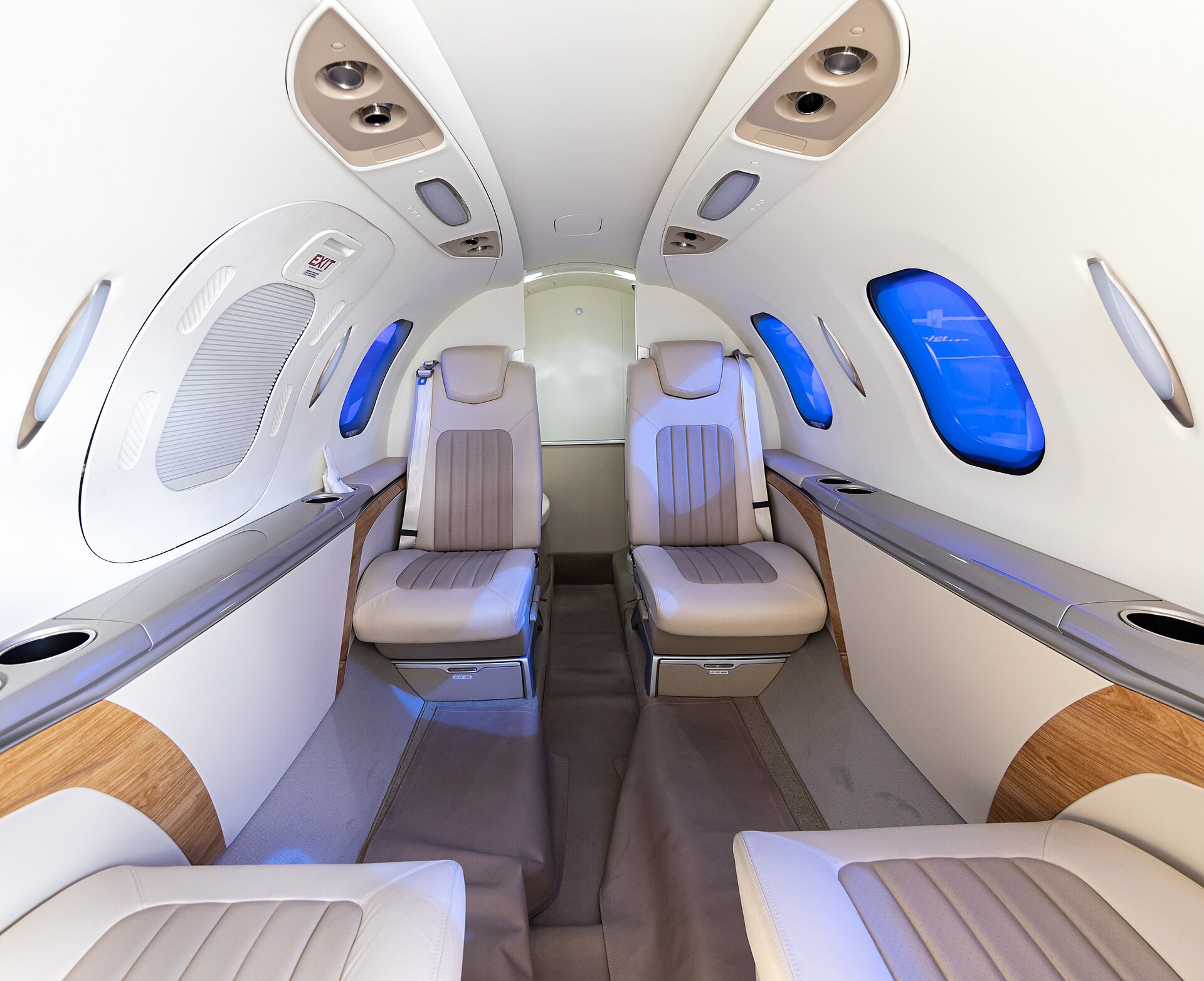
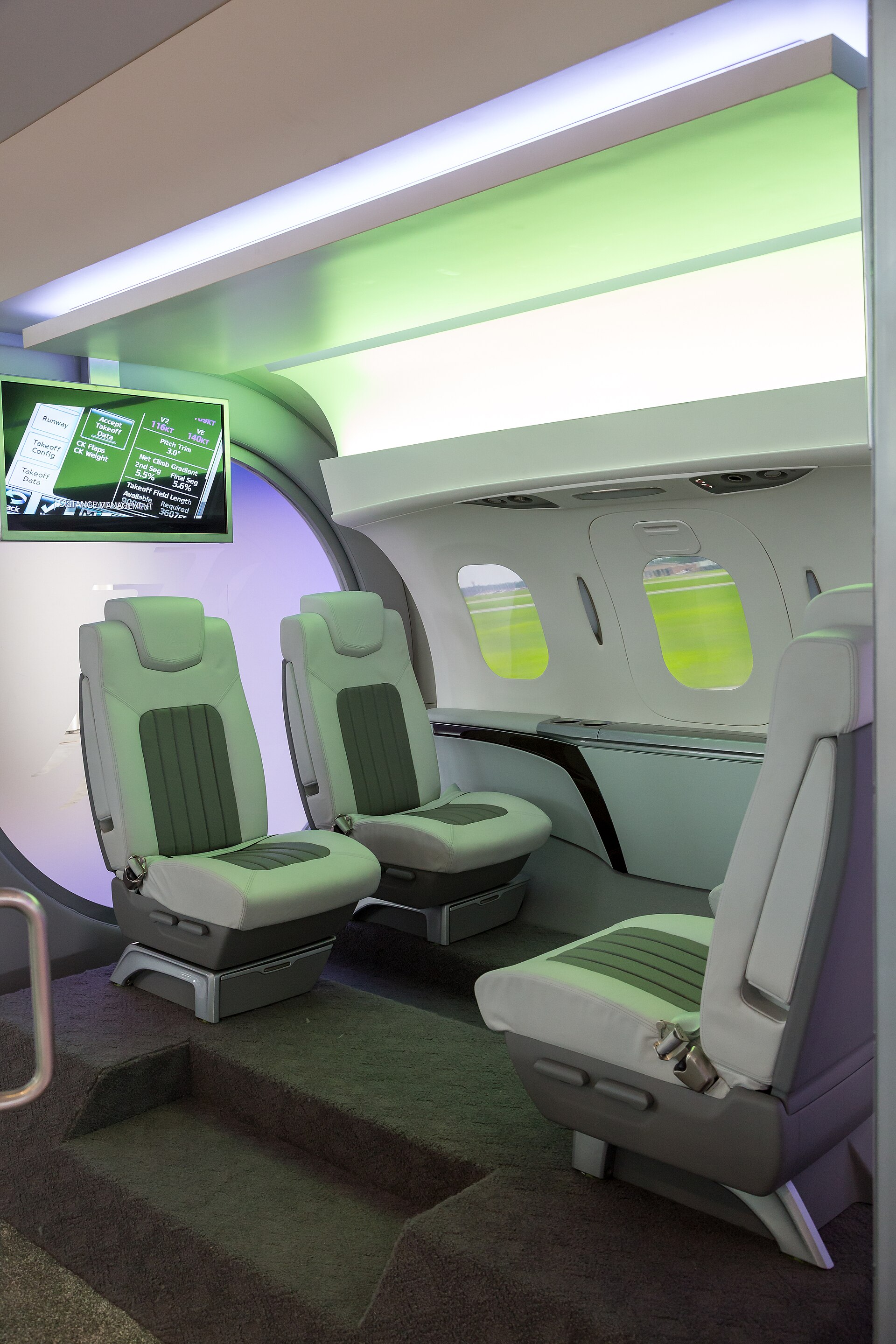
Honda formally established Honda Aircraft Company in 2006 after two decades of aeronautical research, and the production HondaJet was certificated by the FAA in December 2015. The original model was followed rapidly by the HondaJet Elite in 2018, the Elite S in 2021 and the Elite II — the current production variant — in 2022. Each successive model has refined the avionics, improved range and added cabin refinements without abandoning the fundamental OTWEM architecture that defines the type. The Elite II introduced a redesigned winglet, an upgraded Garmin G3000 avionics suite with additional safety features, and an enhanced cabin interior with new materials and colour palettes.
The aircraft is powered by GE Honda Aero Engines HF120 turbofans, a joint venture between GE Aviation and Honda, producing 2,095 pounds of thrust each. This bespoke powerplant, developed specifically for the HondaJet rather than adapted from an existing engine family, embodies the brand's commitment to designing every major system in-house — an approach that more closely resembles automotive OEM engineering than traditional aircraft manufacturing and has produced a powerplant with exceptional specific fuel consumption for its thrust class.