The story behind the Cessna Citation XLS+
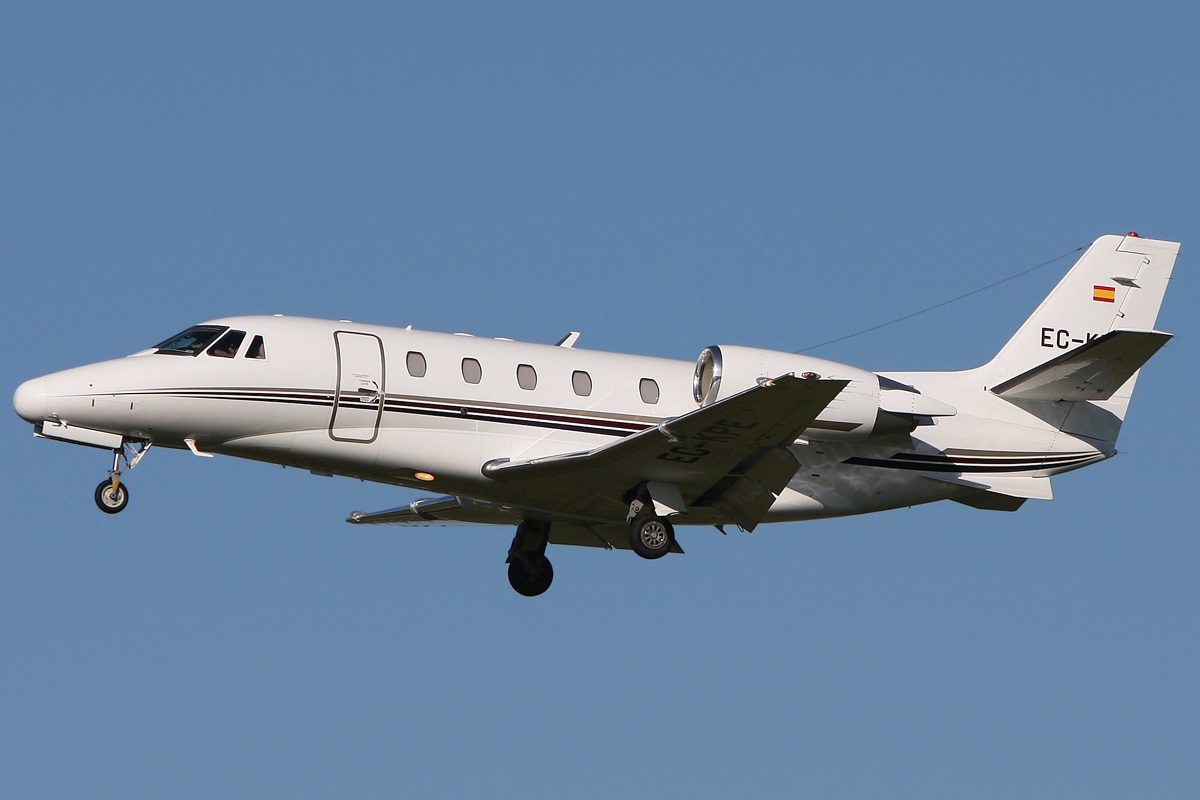
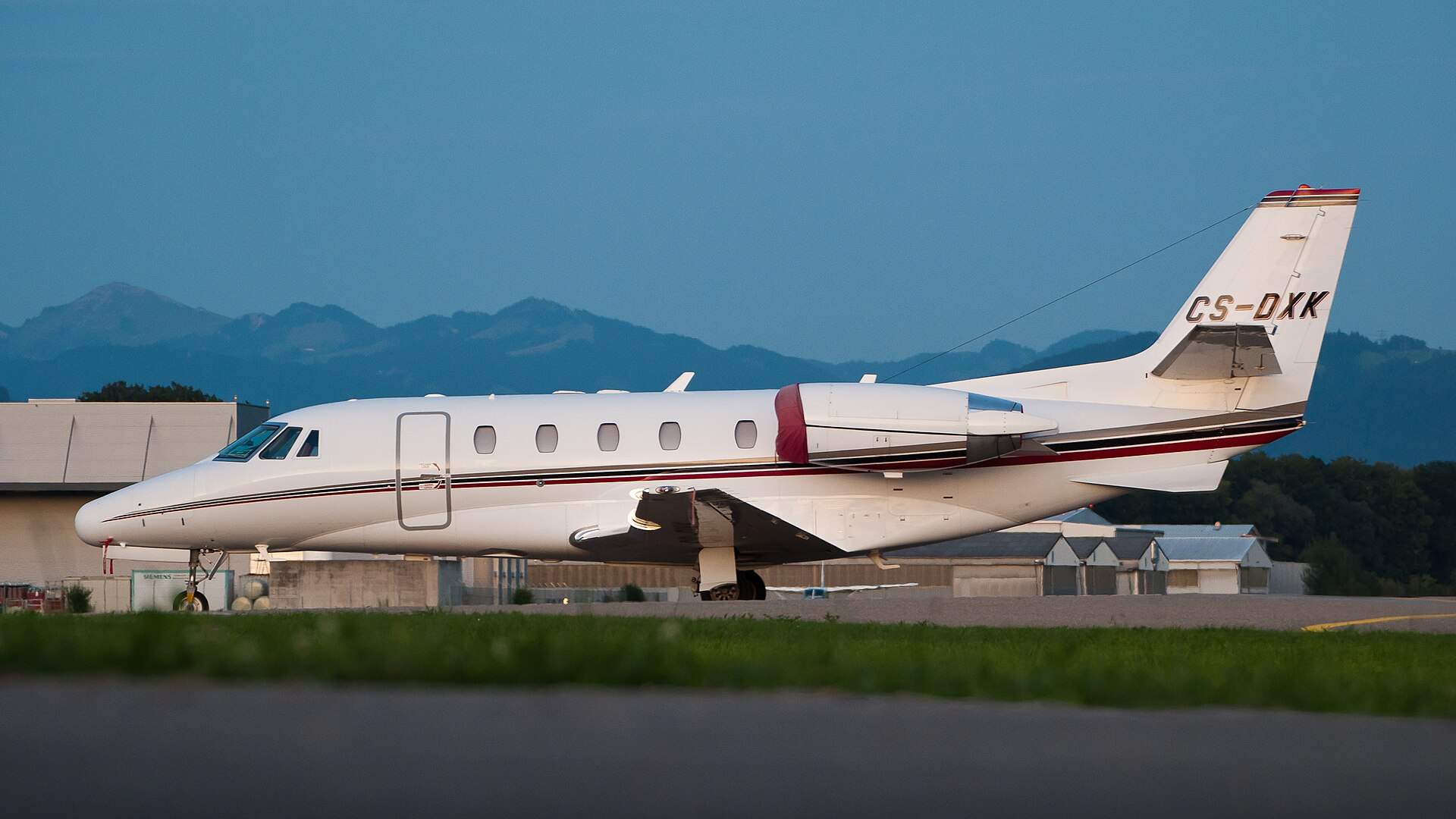
The Citation XLS+ is the mature culmination of a programme that began with the Citation Excel, certificated by the FAA in 1998. The Excel was itself a bold engineering decision: Cessna took the proven fuselage cross-section of the Citation V Ultra — notable for its stand-up cabin, a rarity in the light jet class — mated it to a new supercritical wing derived from the Citation X, and powered the combination with Pratt & Whitney Canada PW545A turbofans. The result was an aircraft that effectively created the super-light category: a jet with midsize cabin dimensions sold and operated at light jet cost.
The XLS arrived in 2004 with uprated PW545B engines and a refined interior, followed in 2008 by the XLS+ featuring the definitive PW545C powerplants producing 4,119 pounds of thrust each, a Collins Pro Line 21 avionics upgrade and further cabin improvements. More than 1,000 Citation Excel and XLS variants have been delivered to operators across six continents, and the type remains in production as of 2025 — an extraordinary commercial run for a business jet programme. European charter availability is correspondingly high, with well over 100 aircraft on EASA Air Operator Certificates at any given time.
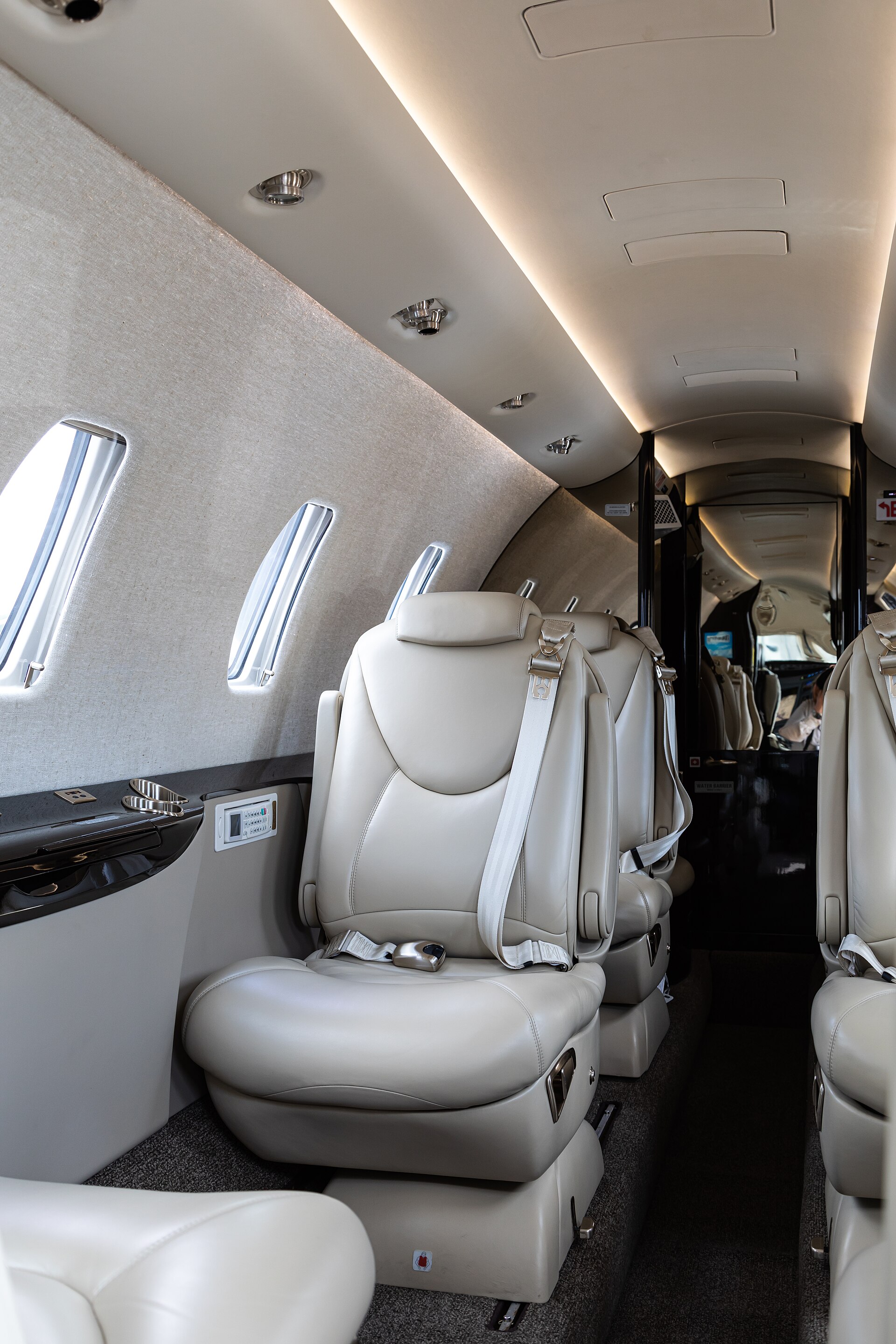
Textron Aviation positioned the XLS+ as a family aircraft and a corporate workhorse simultaneously, and that dual brief explains much of its enduring appeal. The stand-up cabin is the central proposition: passengers can move freely, use the lavatory without contortion and conduct a working meeting around the executive table without the sense of confinement that characterises narrower-fuselage competitors. That practical advantage has kept demand consistently strong even as faster, longer-ranging aircraft have entered the market.