The story behind the Cessna Citation CJ3+
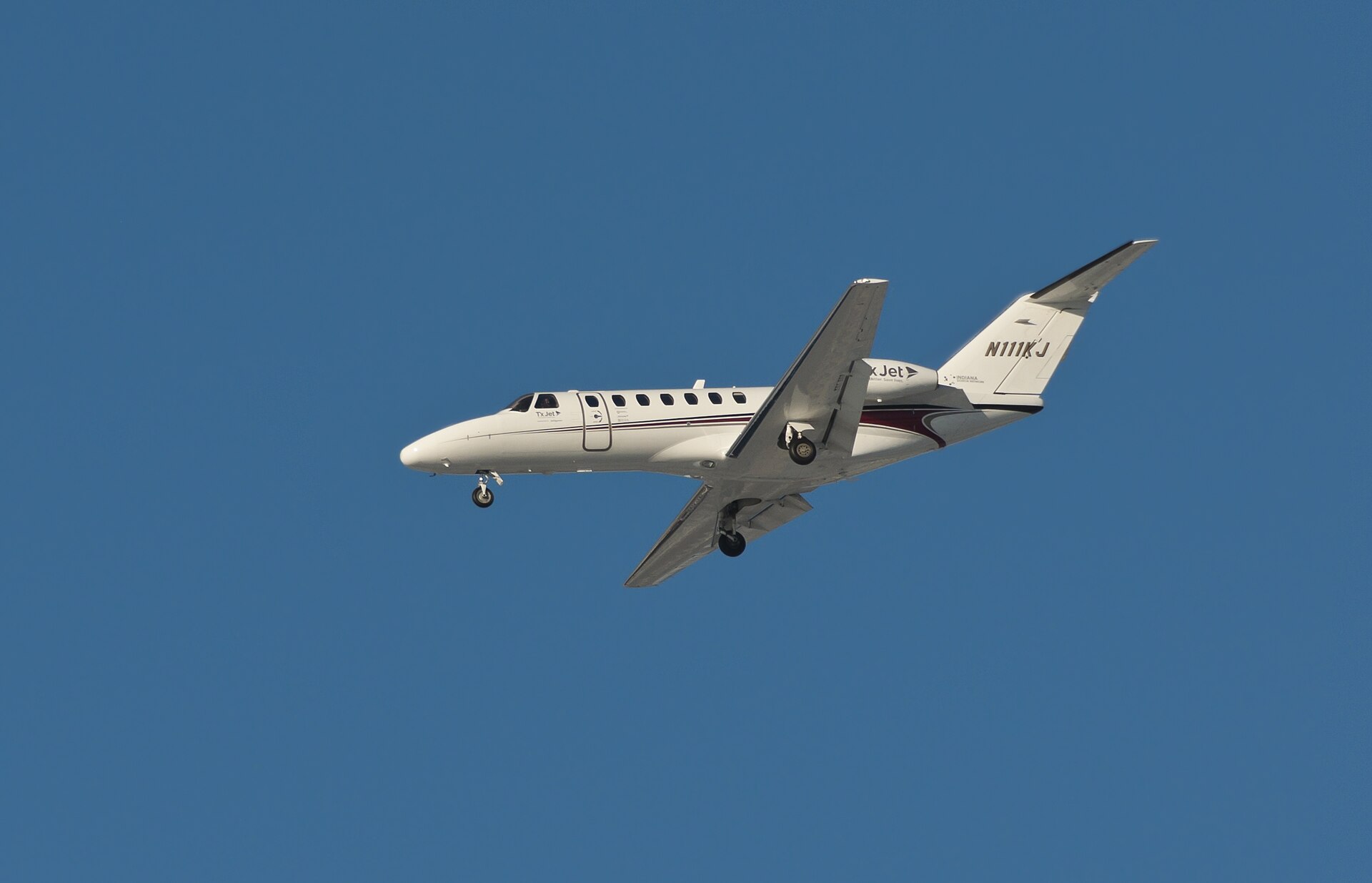
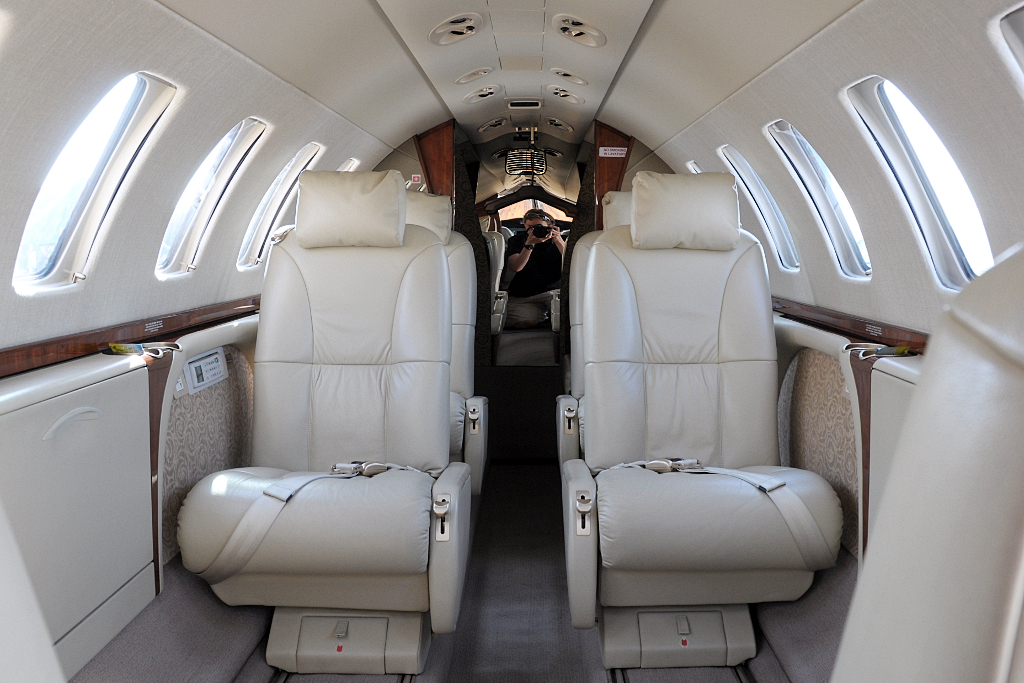
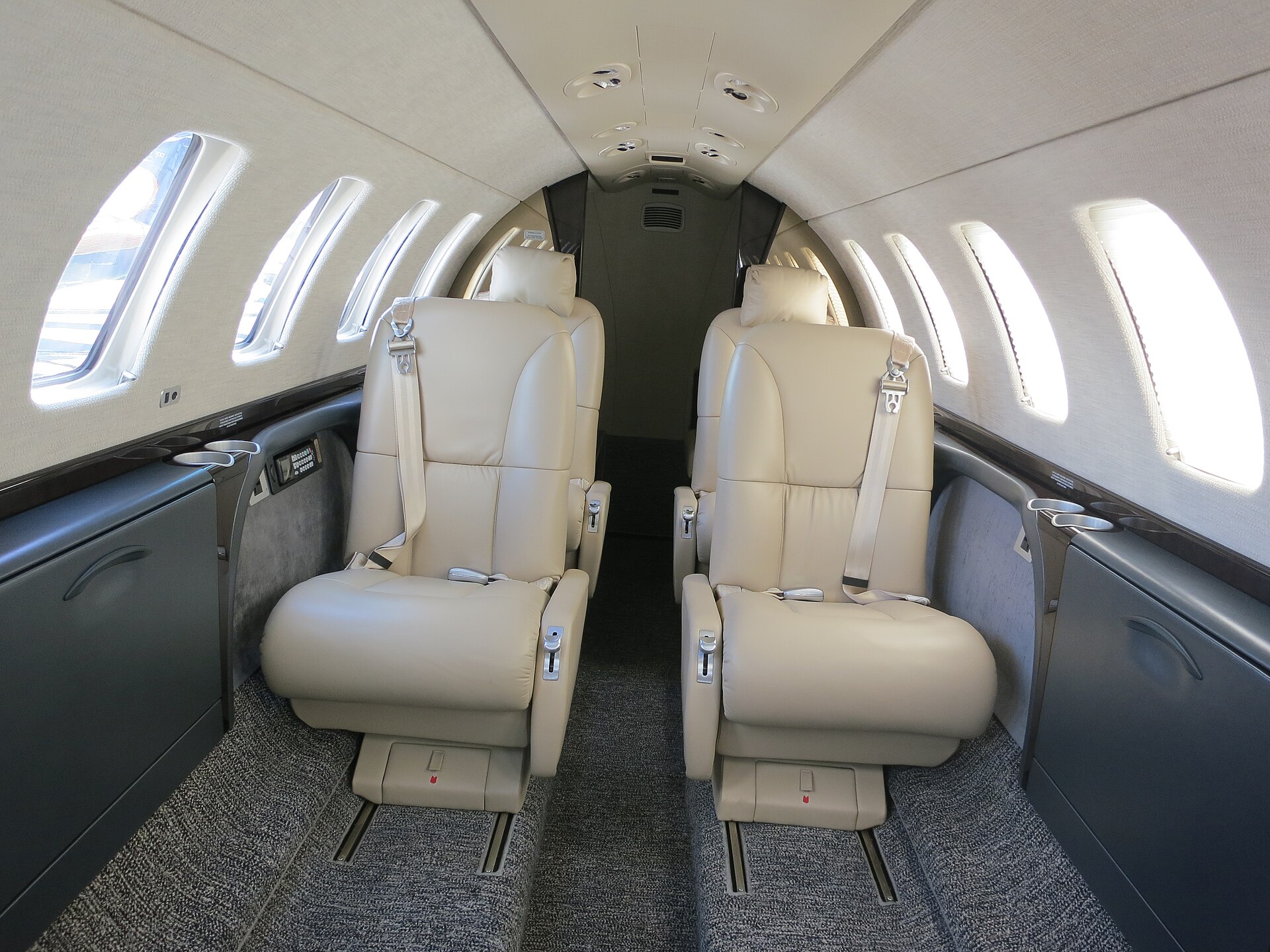
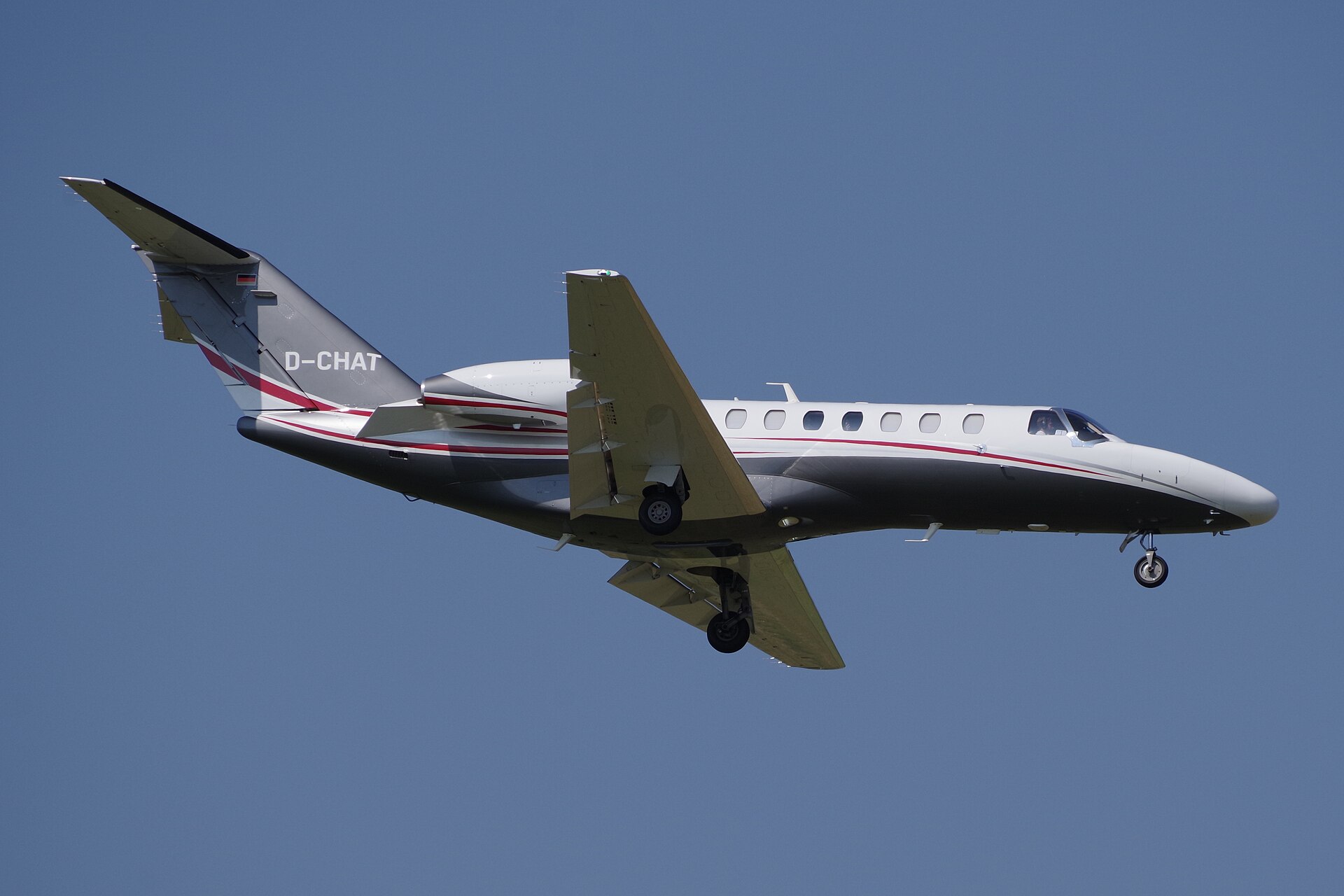
The Cessna Citation CJ3+ is the product of more than three decades of incremental refinement, tracing its lineage directly to the original CitationJet announced at the 1989 National Business Aviation Association convention and certified by the FAA in October 1992. That first aircraft, the Model 525, was conceived as an affordable single-pilot jet capable of operating from the same regional airports used by turboprops, yet offering true jet performance. It succeeded conspicuously. Over the following decade, Cessna progressively stretched the fuselage, uprated the Williams FJ44 engines and added cabin amenities to produce the CJ1, CJ2 and, in 2004, the CJ3 — a meaningfully larger aircraft with a cabin that seated seven in genuine comfort.
The CJ3+ arrived in 2014 as the definitive expression of that lineage. Textron Aviation, which had absorbed Cessna two years earlier, used the upgrade to address the one area where the original CJ3 was beginning to show its age: the flight deck. The Garmin G3000 Intrinzic touchscreen avionics suite replaced the earlier ProLine 21 system, bringing three large high-resolution displays, synthetic vision, integrated weather radar and a greatly simplified pilot workload. Critically, the G3000 installation preserved the aircraft's single-pilot type rating — a practical and commercial advantage that remains unmatched by most competitors at this size.
The broader Citation family has delivered over 1,900 aircraft across all variants, making it one of the most commercially successful business jet programmes in history. The CJ3+ inherits that reputation for mechanical reliability, straightforward maintenance and deep operator familiarity. For a charter client, this translates to a large pool of available aircraft, well-trained crews and consistent operating economics. It is, in many respects, the benchmark light jet against which every other aircraft in the category is measured.