Amsterdam Schiphol
AMSSchiphol Jet Centre — 24h FBO.
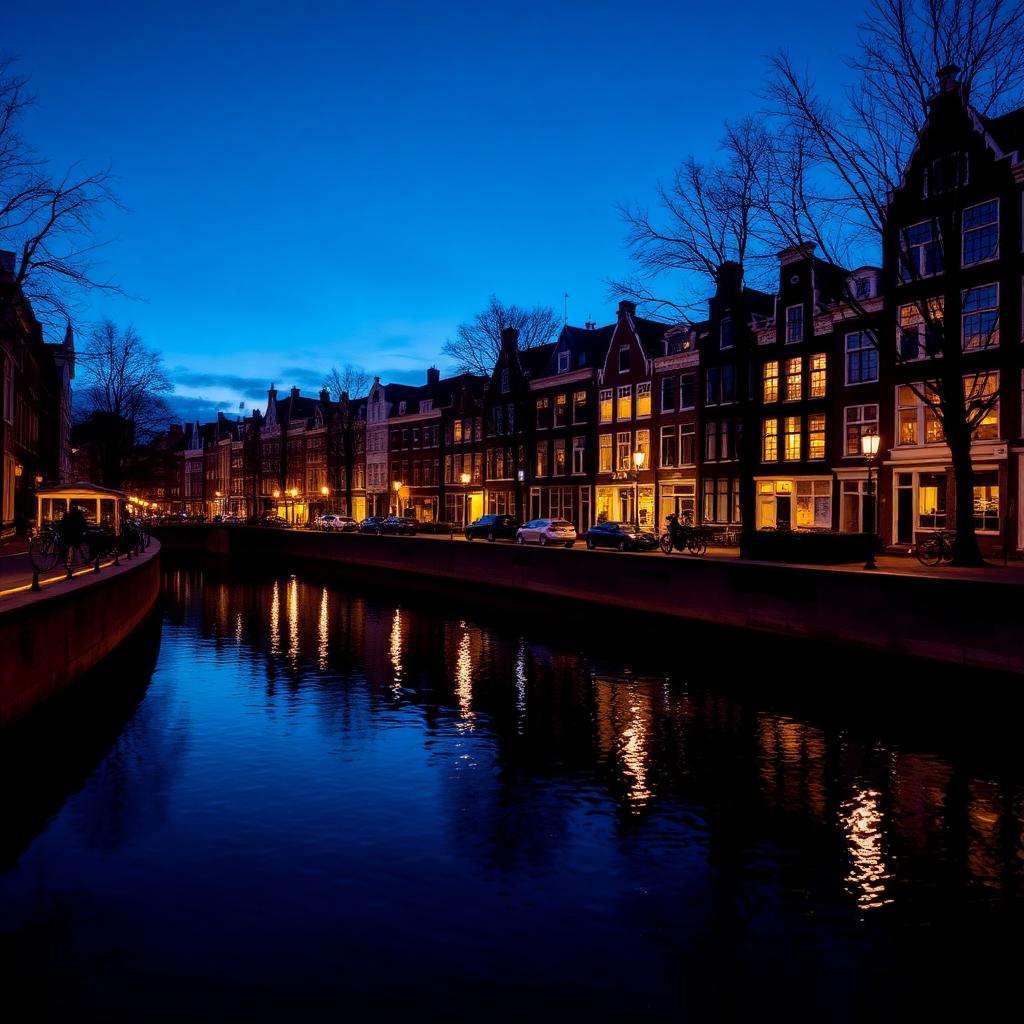
Business-class access to Europe's capitals.
Amsterdam Schiphol's executive terminal is one of the most efficient in Northern Europe — quick customs, on-airport hangar parking, direct ramp access.
See full private jet charter pricing, read the London → Amsterdam route guide.
BEST TIME TO CHARTER
Steady year-round demand driven by business travel; spikes around fashion weeks, motor shows and major sporting events.
AIRPORTS, FBOs & TRANSFERS
Each option below shows the executive airport, drive time to Amsterdam, and typical ground options. Tap an airport for the full guide — runways, FBOs, customs, slot rules and arrival workflow.
Schiphol Jet Centre — 24h FBO.
Useful when Schiphol slots are restricted.
New to private terminals? What is an FBO? · Private jet charter cost guide — FBO choice and charter pricing for Amsterdam
POPULAR ROUTES
| ROUTE | FLIGHT TIME | TYPICAL AIRCRAFT | FROM |
|---|---|---|---|
| Amsterdam → London | 1h 00m | Light Jet | from €2,900 |
| Amsterdam → Geneva | 1h 25m | Light Jet | from €3,700 |
One-way prices for the aircraft class listed are estimated, confirmed quote within 1–2 hours. You get an estimate per aircraft class straight away, then two or three confirmed options with aircraft photos.
COSTS TO EXPECT
ENTRY POINT
from €2,900
Lowest estimated one-way price across the routes above — estimated, confirmed quote within 1–2 hours.
TYPICAL AIRCRAFT
Light Jet
Cabin selected against range, runway and party size. We confirm the exact tail before contracting.
WHAT'S INCLUDED
All-inclusive quote
Crew, fuel, handling, landing and de-icing fees, standard catering and FBO access. Peak-period positioning and overnight crew may apply on one-ways — flagged upfront.
Charter pricing is route- and date-sensitive. For a binding number, share dates, pax and luggage in the quote form.
CHARTER BUYER'S GUIDE
Amsterdam Schiphol's executive terminal is one of the most efficient in Northern Europe — quick customs, on-airport hangar parking, direct ramp access. This operational excellence is the entry point to a city that masterfully blends a rich historical tapestry with a vibrant, forward-looking dynamism. For the private aviation client, Amsterdam is not merely a destination; it is a multifaceted European hub that serves a diverse and discerning clientele with remarkable efficiency and style. It is a city of immense character, where the tranquil, gabled reflections in the 17th-century canals coexist with the high-stakes energy of the Zuidas financial district. This unique duality makes it a premier choice for both corporate and leisure travel.
Private jet travel to Amsterdam is driven by a confluence of commerce, culture, and convenience. The city is a nexus for a wide spectrum of influential travellers. C-suite executives from global finance, technology, and creative industries frequent the Zuidas business district, leveraging private aviation to maximise their time in one of Europe’s most significant economic centres. Beyond the boardroom, Amsterdam attracts a steady stream of high-net-worth individuals for its world-class art, luxury retail, and unique cultural experiences. Art collectors and connoisseurs are particularly prevalent, drawn by the Rijksmuseum, Van Gogh Museum, and the prestigious TEFAF art fair in nearby Maastricht, which is a short helicopter or turboprop flight away. The city’s liberal, sophisticated, and discreet atmosphere also appeals to prominent figures from the worlds of entertainment and sport seeking a low-key European sojourn.
The character of the destination is one of refined contrasts. It is a city that celebrates "gezelligheid," a uniquely Dutch concept of cosiness and conviviality, yet it operates at the cutting edge of global business and design. The UNESCO-listed Canal Ring, with its elegant townhouses and sleepy waterways, offers a serene backdrop, while districts like De Pijp thrum with bohemian energy and culinary innovation. This ability to be many things at once—a historical treasure trove, a hub of innovation, a haven of tranquillity, and a centre of vibrant nightlife—is Amsterdam’s core appeal. It allows a charter client to conduct a high-level business meeting in the morning, attend a private viewing of a Dutch Master in the afternoon, and dine at a two-Michelin-starred restaurant in the evening, all with seamless logistical grace. The city’s compact nature, combined with its sophisticated infrastructure, makes it exceptionally rewarding for the time-poor traveller who demands both efficiency and enrichment from their journey.
Amsterdam Airport Schiphol (AMS), a titan of European aviation, extends its efficiency to the private sector through a superb General Aviation (GA) terminal. The primary Fixed-Base Operators (FBOs) serving charter clients are Aviapartner Executive and Jet Aviation, both renowned for their comprehensive and discreet service. Upon landing, the key advantage of Schiphol’s GA setup becomes immediately apparent: turnaround times are exceptionally swift. From wheels down to departing the airport in a pre-arranged vehicle can take as little as 20 minutes. This is facilitated by dedicated, in-FBO customs and immigration clearance, where non-Schengen passengers are processed in a private lounge, entirely separate from the commercial terminals. Direct ramp access is a standard service, allowing chauffeured vehicles to collect passengers directly at the aircraft steps, a critical detail for privacy and convenience. Furthermore, the availability of on-airport hangar parking is a significant benefit, protecting valuable aircraft from the often-inclement Dutch weather and enhancing security.
However, this efficiency comes with a caveat: runway slots. Schiphol is one of the busiest airports in the world, and slots for all movements, including private aviation, are strictly controlled and limited. During peak periods—summer months, major conferences, or events like King’s Day—securing your desired arrival and departure times requires significant advance planning. Attempting to book a last-minute flight into AMS during these times can be challenging, if not impossible. This is where Rotterdam The Hague Airport (RTM) emerges as a vital and strategic alternative. Located approximately 60 kilometres south of Amsterdam, RTM is a far less congested airfield, offering greater flexibility with slot availability. FBOs like Jet Aviation provide a comparable level of service to their Schiphol counterparts. The trade-off is ground transfer time; the drive to central Amsterdam from RTM is around 60-75 minutes, compared to 25-30 minutes from Schiphol. For clients prioritising flexibility over proximity, or for those making last-minute arrangements, RTM is an indispensable asset in the region’s private aviation infrastructure.
Upon arrival, the journey into the heart of Amsterdam can be tailored to be as swift or as scenic as the client desires. The most efficient and standard method is a pre-booked chauffeur service. Reputable firms such as Carclass or Brussaard offer a fleet of high-end vehicles, from Mercedes-Maybach and S-Class saloons for individuals or couples, to V-Class minivans for larger parties. A professional chauffeur will be waiting either on the ramp as you disembark or within the FBO lounge. The transfer from Schiphol’s GA terminal to the Zuidas financial district is a mere 15-minute drive, while reaching the luxury hotels of the Museum Quarter or the Canal Ring typically takes between 25 and 35 minutes, traffic dependent. For a standard S-Class transfer, charter buyers can expect to budget between €150 and €250.
For the ultimate in speed and for onward connections to other Dutch cities or remote locations, helicopter charter is the premier choice. Companies like HeliAMS offer services directly from Schiphol, bypassing all road traffic. A flight to a helipad in the Amsterdam port area can take under 10 minutes, from where a final short car journey completes the transfer. Helicopters are also invaluable for reaching destinations like the governmental hub of The Hague, the port of Rotterdam, or even connecting to events like the Belgian Grand Prix at Spa-Francorchamps, transforming a multi-hour drive into a short, comfortable flight. This option represents the pinnacle of travel efficiency, turning the entire region into an accessible network.
A uniquely Amsterdam experience is leveraging the city’s waterways for the final leg of your arrival. While this is a more experiential than expedient option, it is unparalleled for its charm. A chauffeur service would transfer you from the FBO to a designated docking point, where a classic, private saloon boat awaits. Providers like Rederij De Jordaan or Waterdream offer beautifully restored vessels for a private cruise directly to the doorstep of canal-side hotels such as the Waldorf Astoria or De L’Europe. This leisurely arrival, gliding through the historic canals with a glass of champagne in hand, is an unforgettable introduction to the city, setting a tone of relaxed elegance for the entire stay.
The choice of neighbourhood and hotel in Amsterdam fundamentally shapes the character of a visit. For the quintessential, postcard-perfect experience, the 17th-century Canal Ring (Grachtengordel) is unrivalled. This UNESCO World Heritage site, with its concentric canals of Herengracht, Keizersgracht, and Prinsengracht, is home to the city’s most palatial and historic hotels. The Waldorf Astoria Amsterdam, masterfully created from six contiguous canal-side townhouses, offers unparalleled grandeur, a sublime Guerlain spa, and a private garden. Hotel De L’Europe, overlooking the Amstel River, is a bastion of classic, old-world luxury, often referred to as the "other Royal Palace of Amsterdam." For a design-led yet equally historic option, The Pulitzer, an intricate maze of 25 restored canal houses, offers a whimsical and chic interpretation of Dutch elegance. This district is perfectly suited for first-time visitors, romantic getaways, and those who wish to be enveloped in the city’s historic soul.
For travellers whose interests are firmly rooted in arts and culture, the Museum Quarter (Museumkwartier) is the logical choice. This sophisticated, leafy neighbourhood is home to the city’s "big three" institutions: the Rijksmuseum, the Van Gogh Museum, and the Stedelijk Museum of modern art. The epicentre of luxury here is the Conservatorium Hotel, a stunning architectural fusion of a 19th-century bank and a breathtaking glass atrium. It exudes a modern, cosmopolitan energy and is adjacent to the high-fashion boutiques of the P.C. Hooftstraat. This area suits discerning visitors who appreciate art, design, and a slightly more tranquil atmosphere than the bustling city centre.
Business travellers focused on efficiency often opt to stay in the Zuidas, Amsterdam's financial mile. This modern district, situated conveniently between Schiphol and the city centre, is populated by the headquarters of major corporations. Hotels like the Crowne Plaza Amsterdam-South or INNSiDE by Meliá are designed for the corporate guest, with extensive meeting facilities and direct access to the neighbourhood's offices. While it lacks the historic charm of the Canal Ring, its strategic location minimises commute times and maximises productivity. Conversely, for those seeking a more authentic, bohemian-chic experience, the De Pijp neighbourhood is ideal. Centred around the bustling Albert Cuyp Market, it is a vibrant, trendy area filled with independent boutiques, cosy "brown cafes," and some of the city's most innovative restaurants. Boutique hotels like Sir Albert, housed in a former diamond factory, capture the area’s spirit, making it perfect for younger clients or those on extended stays who want to experience the city like a local.
Beyond the well-trodden tourist paths, Amsterdam offers a wealth of exclusive activities that can be curated for the private traveller. For art lovers, the ultimate indulgence is a private, after-hours tour of the Rijksmuseum to view masterpieces like Rembrandt's "The Night Watch" in absolute solitude. Such experiences, bookable for a considerable fee (often in the tens of thousands of euros), are organised directly with the museum and provide an unparalleled connection to the art. Similarly, bespoke viewings at the Van Gogh Museum can be arranged. For a more hands-on immersion in Dutch craftsmanship, a private diamond cutting and polishing workshop at Royal Coster or Gassan Diamonds is a fascinating experience. Here, clients can learn the intricate process from a master artisan, handle rare stones, and even commission a unique piece of jewellery.
The city’s canals offer a floating salon for exclusive entertainment. Far beyond the standard tourist barge, one can charter a classic, beautifully restored saloon boat from the 1920s. These vessels can be crewed with a private skipper, a host, and even a chef and sommelier for a multi-course dinner cruise. Imagine gliding through the illuminated canals at night, seeing the historic gabled houses from a unique perspective while enjoying a Michelin-level dining experience – it is the epitome of Amsterdam elegance. For a different vantage point, a private helicopter tour in the spring (late March to early May) provides a breathtaking aerial view of the vibrant tulip fields in the Keukenhof region, a kaleidoscope of colour that is impossible to appreciate fully from the ground.
Amsterdam’s strategic location and excellent connectivity make it a superb base for memorable day trips. A chauffeured-driven Mercedes can transport you to the storybook Kasteel de Haar, the largest and most luxurious castle in the Netherlands, for a private tour of its opulent interiors and magnificent gardens. Alternatively, a short turboprop flight from Schiphol can take you to the rustic, windswept island of Texel, one of the Frisian Islands, for a day of pristine nature, dune-buggying, and fresh oysters plucked straight from the sea. For oenophiles, a visit to the Apostelhoeve vineyard near Maastricht, one of the country’s oldest and most respected wineries, can be arranged, often combined with a flight to Maastricht Aachen Airport (MST), offering a taste of Dutch viticulture in the rolling hills of Limburg.
Amsterdam's culinary landscape has evolved dramatically, maturing into a sophisticated dining destination with a high concentration of Michelin-starred establishments. For the discerning palate, securing a reservation at a top-tier restaurant is a primary objective, a task best handled by a broker’s concierge service well in advance. At the zenith of fine dining are the city’s two-star establishments, including Spectrum, located in the Waldorf Astoria, which offers artistic and innovative cuisine, and Ciel Bleu, perched on the 23rd floor of the Hotel Okura, providing stunning panoramic views alongside its exquisite dishes. The one-star scene is equally vibrant, with standout names like RIJKS®, the restaurant of the Rijksmuseum, which celebrates produce from Dutch soil and waters, and Ron Gastrobar, which offers a more accessible and playful take on Michelin-level dining. It is vital to book these tables weeks, if not months, ahead.
Beyond the Michelin guide, the city thrives with exceptional restaurants that define its modern culinary identity. De Kas, famously housed in a series of large greenhouses where much of its produce is grown, offers a pure and beautiful farm-to-table experience that changes daily. For those seeking modern, complex flavours in an industrial-chic setting, BAK, located in a warehouse with views over the IJ river, is a prime choice. Flore, another champion of sustainability with two Michelin stars and a green star, focuses intently on local vegetables and North Sea fish, eschewing dairy and fatty meats for a lighter, more delicate-tasting menu. These establishments showcase the innovation driving Dutch cuisine forward.
The city’s nightlife is similarly stratified, offering everything from historic "brown cafes" to exclusive, high-energy clubs. For a sophisticated start to the evening, the cocktail bars within the city’s luxury hotels are exceptional. The Vault Bar at the Waldorf Astoria, set in a former bank vault, offers inventive cocktails in a unique setting. Pulitzer’s Bar provides a timeless, clubby atmosphere perfect for a classic drink, while the Twenty Third Bar, adjacent to Ciel Bleu, shares its spectacular views. For those looking to continue the night, Mad Fox is an intimate, high-end nightclub with a focus on electronic music and a strict door policy. The most exclusive venue is arguably Soho House Amsterdam, a members-only club in the Bungehuis building, which is a hub for the city’s creative and business elite. Access requires membership or an invitation, making it a truly private space for socialising.
Amsterdam’s charter market is subject to distinct seasonal fluctuations that significantly impact aircraft pricing, availability, and airport slot access. Understanding these dynamics is crucial for effective planning. The absolute peak season runs from April through to September. This period includes several high-demand events, beginning with the world-famous tulip season from late March to early May, which draws visitors globally. The single busiest day of the year for private aviation is King's Day (Koningsdag) on 27th April, when the entire city turns into a street party. Securing landing slots at Schiphol for this event requires booking up to six months in advance and comes at a premium. The summer months of June, July, and August are consistently busy with leisure travellers, leading to higher charter rates and limited aircraft availability, particularly for popular super-midsize and large-cabin jets.
The shoulder seasons of March and October offer a more balanced proposition. The weather can still be pleasant, the tourist crowds are thinner, and aircraft pricing is generally more moderate. October, however, presents a significant secondary peak due to the Amsterdam Dance Event (ADE), the world's largest electronic music conference and festival, which attracts a huge influx of DJs, industry executives, and fans via private jet. The low season, from November to February (excluding the Christmas and New Year holidays), is the most cost-effective time to fly. The city is quieter, FBOs are less congested, and aircraft operators are more likely to offer competitive pricing. The colder weather also means clients should budget for potential de-icing costs, which can range from €1,500 to over €10,000 depending on the aircraft size and conditions.
In terms of concrete pricing, the cost of a charter is highly dynamic. For a popular European route, such as from London-Farnborough to Amsterdam Schiphol, a client could expect to pay between €8,000 and €12,000 one-way for a light jet like a Cessna Citation CJ3. For a longer journey, such as from Dubai to Amsterdam, a super-midsize aircraft like a Challenger 350 would typically be in the range of €50,000 to €70,000 one-way. Booking an empty leg—a flight repositioning for its next paying customer—can offer savings of up to 50% or more, but requires significant flexibility with timing and is best suited for spontaneous, one-way trips.
To ensure a seamless and efficient charter experience to Amsterdam, several practical considerations are paramount. Booking lead time is arguably the most critical factor. For travel during peak season (April-September) or major events like King’s Day and ADE, a lead time of three to six months is not excessive. This provides the best chance of securing not only a preferred aircraft at a reasonable price but, more importantly, the desired landing and departure slots at the heavily congested Schiphol Airport. For shoulder season travel, a four-to-eight-week booking window is advisable. In the low season, greater flexibility exists, and charters can often be arranged within one to two weeks, though last-minute bookings always carry a price premium.
There are several common pitfalls that inexperienced charter buyers can fall into. The most significant is underestimating the importance of airport slots. Simply booking an aircraft does not guarantee you can operate to your desired schedule. A professional broker must confirm that the requested slot times at AMS have been approved by the airport authority. Failure to do so can result in costly delays or even a diversion to Rotterdam (RTM) or Lelystad (LEY). Another pitfall is neglecting to budget for ancillary costs. Quotes should be scrutinised to see if they include fees for catering, ground transportation, and, crucially, winter de-icing. De-icing is mandatory for safety and can be a significant unbudgeted expense if not accounted for upfront. Finally, choosing the wrong aircraft for the mission—for instance, a large-cabin jet for a short hop, incurring unnecessary expense, or a light jet that lacks the range or baggage capacity for the intended trip—is a classic mistake that a good advisor will help you avoid.
To protect your investment and ensure a high-quality experience, there are specific questions every charter buyer should ask. Always request: "Can you provide written confirmation of the approved slot times at Schiphol?" Ask for clarity on pricing: "Is this quotation fully inclusive, or are there separate charges for de-icing, catering, and Wi-Fi?" Enquire about the aircraft itself: "What is the year of manufacture and the date of the last interior refurbishment for this specific aircraft tail number?" This prevents being placed on an older, worn-out jet. Finally, confirm the ground experience by asking: "Can you guarantee that ramp-side vehicle access will be arranged at the FBO?" This confirms that your car will be waiting at the aircraft steps, the hallmark of a truly private and efficient jet charter service.
ON THE GROUND
AIRCRAFT
4–6 passengers, up to 3h
Citation CJ3, Phenom 300 — ideal for short European hops with quick turnarounds.
7–9 passengers, up to 5h
Citation XLS+, Hawker 900XP — stand-up cabin, full galley, transcontinental Europe.
10–14 passengers, 6h+
Challenger 605, Gulfstream G450, Falcon 7X — intercontinental with bedroom-class comfort.
FLEET FOR AMSTERDAM
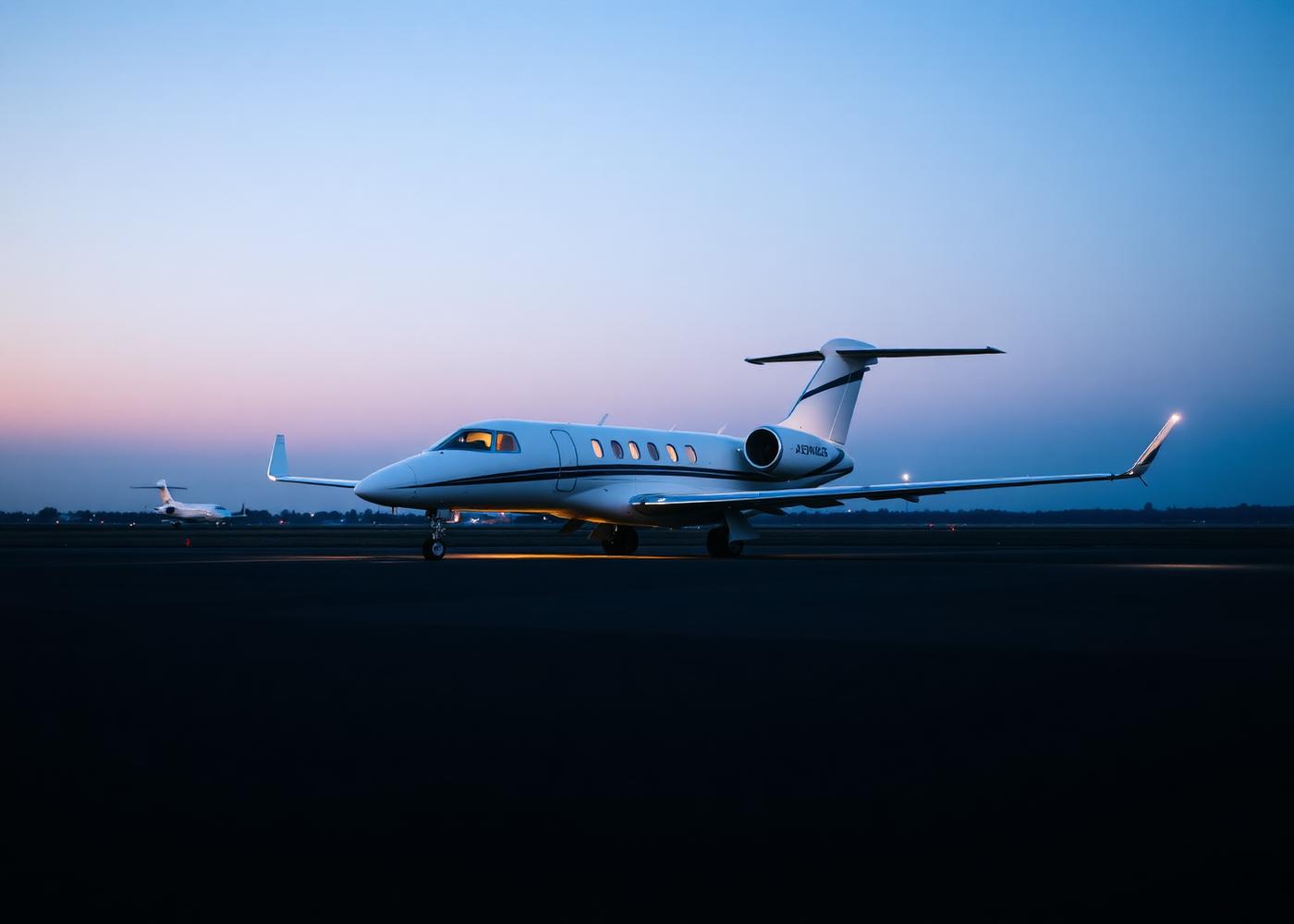
LIGHT JET
Cessna
The benchmark light jet for short European hops.
VIEW AIRCRAFT →LIGHT JET
Cessna
Light-jet economics, midsize cabin comfort.
VIEW AIRCRAFT →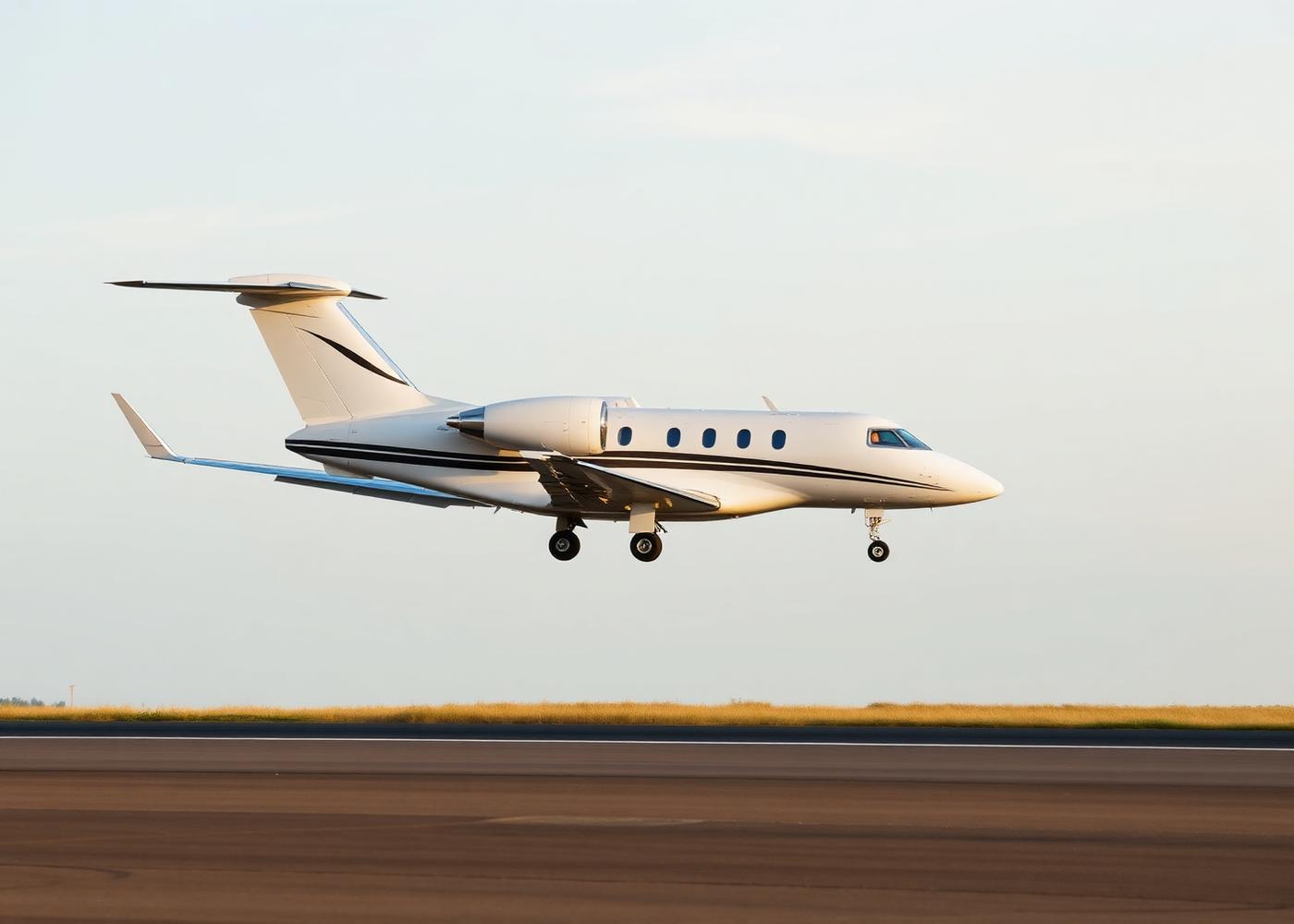
MIDSIZE JET
Hawker Beechcraft
The proven workhorse of midsize charter.
VIEW AIRCRAFT →MIDSIZE JET
Cessna
Six-foot flat-floor cabin at midsize prices.
VIEW AIRCRAFT →ROUTES SERVING AMSTERDAM
CHARTER GUIDES
PRICING & COST
12 min read
OPERATIONS & TRAVEL
12 min read
AIRCRAFT & FLEET
9 min read
OPERATIONS & TRAVEL
6 min read
PRICING & COST
6 min read
FAQ
Our concierge pre-arranges a chauffeured transfer to your address in Amsterdam. Cars wait planeside at the FBO so guests step from cabin to car in under five minutes. Helicopter or yacht handoffs can be coordinated on request.
Our concierge pre-arranges a chauffeured transfer to your address in Amsterdam. Cars wait planeside at the FBO so guests step from cabin to car in under five minutes. Helicopter or yacht handoffs can be coordinated on request.
Amsterdam is served by AMS, RTM. Choice depends on aircraft class, where you're staying, and slot availability. We pick the field that puts you closest to your hotel or yacht with the least ground time — see each airport guide for runway, customs and FBO detail.
Usually yes — many operators permit pets in the cabin, subject to aircraft-owner approval, destination rules, documentation and any operator-specific charges. Let us know the size and species when you request a quote and we will confirm per aircraft.
For most major airports we can have an aircraft positioned within 4 hours. Last-minute bookings are our specialty — we operate 24/7.
One-way prices estimated, confirmed quote within 1–2 hours: Amsterdam → London from €2,900 (light jet); Amsterdam → Geneva from €3,700 (light jet). Send your dates and passengers and you get an estimated price per aircraft class straight away, then two or three confirmed options with aircraft photos within 1–2 hours.
RELATED DESTINATIONS
EXPLORE THE CLUSTER
HUB GUIDES
ROUTES SERVING AMSTERDAM
BEST AIRCRAFT FOR AMSTERDAM
MORE IN EUROPE — CITIES
EMPTY LEGS · TO AMSTERDAM
Repositioning flights to Amsterdam come up occasionally and rarely stay available for long. Set an alert and we will tell you if one matches.
EMPTY-LEG ALERTS
We scan operator inventory every 12 hours. The moment a leg matches your route, date window and budget, we email you with a direct booking link.
MALLORCA · GERMANY, NRW, FRANKFURT
SKI SEASON · ALPS
An estimated price per aircraft class straight away, then two or three confirmed options with aircraft photos within 1–2 hours. 24/7, worldwide.
REQUEST A QUOTEAIRPORT COMPARISON
2 airports serve Amsterdam. AMS is primary; RTM act as alternates when slots or runway constraints dictate.
AMS · PREMIER
AMS
AMS — primary jet gateway; 12,467 ft runway; in-town.
RTM · GOOD
RTM
RTM — good private-jet access; 7,218 ft runway; 56 km transfer.
RECOMMENDED AIRCRAFT
Super Midsize Jet
SEASONALITY
GROUND TRANSPORT
HELICOPTER
CUSTOMS
VISA
WEATHER
RECOMMENDED STAY
MEDICAL / MEDEVAC
DESTINATION PROFILE
luxury
40
business
85
family
30
ski
0
beach
0
golf
0
medical
40
heli
30
marina
0
NEARBY DESTINATIONS
AI CONCIERGE
Structured knowledge object with 2 airports, 8 corridor routes, 0 named event windows, 5 nearby destinations and a full scoring profile — designed to answer concierge-level questions in real time.
FAQ
AMS (AMS) is the primary gateway. RTM
Very Light Jet is the best fit for most missions; short-runway constraints may push smaller groups to a Light Jet.
Pricing scales with aircraft class and the departure city (for example FAB). Send your dates and passengers to see an estimated price per aircraft class straight away; two or three confirmed options with aircraft photos follow within 1–2 hours.
See the seasonality panel — demand is driven by corporate and event calendars.
Not standard for this destination; chauffeur car service is the primary transfer option.
AVIATION FACTS · AVI-GO 2025
Desk-verified market figures linked to this page — drawn from Avi-Go analytics reports and surfaced for charter planning context.
0.37%
Verified aviation metric
Netherlands held 0.37% of global business jet departures in June 2026.
structured · confidence 95% · verified 2026-07-28
Netherlands ranked #19 globally by business jet departures in June 2026 with 1,083 flights (0.37% share).
structured · confidence 95% · verified 2026-07-28
KNOWLEDGE GRAPH
Airports serving this destination, routes clients fly here on, aircraft that operate them, and nearby destinations you can pair it with.