Sion
SIRClosest jet airport. 25-min helicopter transfer to Zermatt.
- TRANSFER
- 50 min · 65 km
- TO
- the Valais ski resorts
- MODES
- Helicopter to Crans-Montana · Chauffeured SUV
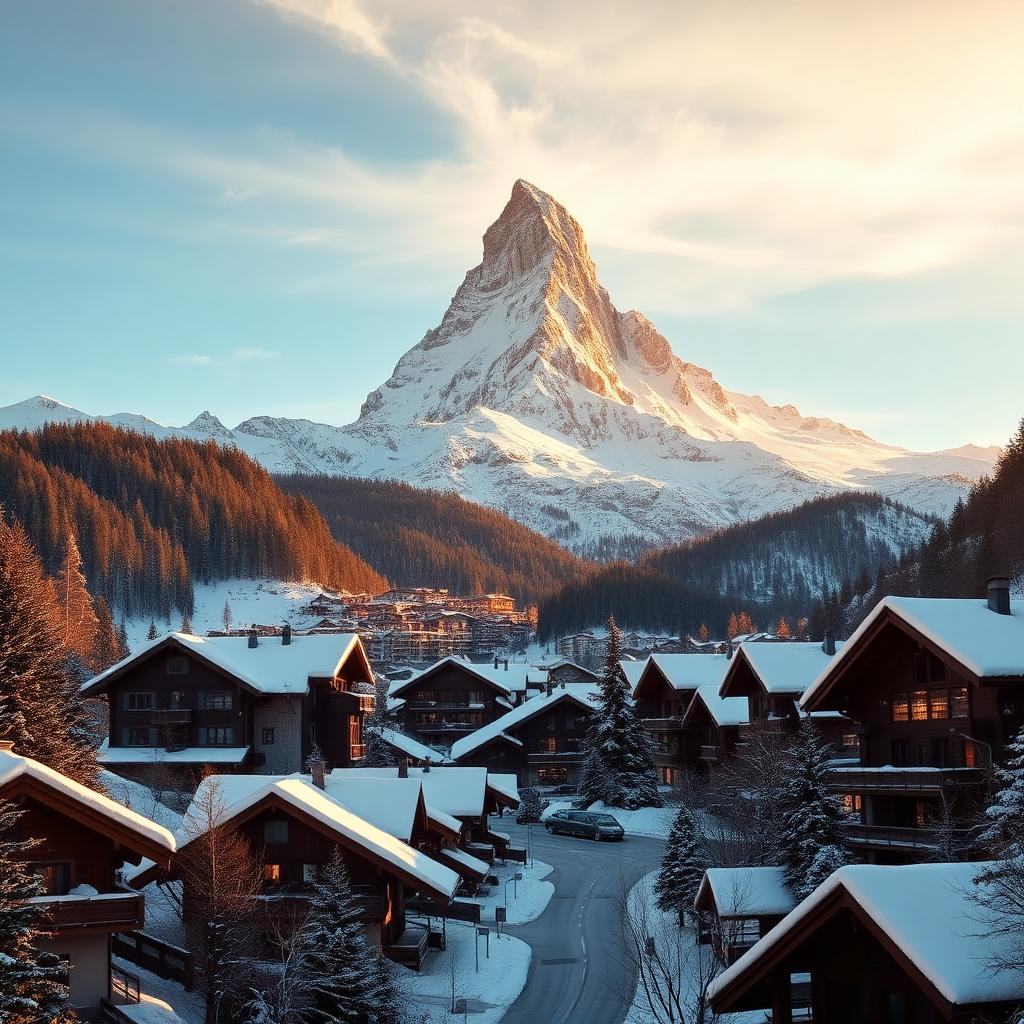
Door-to-piste in a single afternoon.
Zermatt is car-free. Private aviation routes through Sion or Geneva; the final leg is by helicopter (Air Zermatt) directly into the village heliport or by the Glacier Express train.
See full private jet charter pricing.
BEST TIME TO CHARTER
Mid-December through early April. Christmas, New Year and February half-term are the most contested slots — secure slots six to eight weeks ahead.
AIRPORTS, FBOs & TRANSFERS
Each option below shows the executive airport, drive time to Zermatt, and typical ground options. Tap an airport for the full guide — runways, FBOs, customs, slot rules and arrival workflow.
Closest jet airport. 25-min helicopter transfer to Zermatt.
Heavy jets; longer transfer (1h 40m by helicopter).
New to private terminals? What is an FBO? · Private jet charter cost guide — FBO choice and charter pricing for Zermatt
POPULAR ROUTES
| ROUTE | FLIGHT TIME | TYPICAL AIRCRAFT | FROM |
|---|---|---|---|
| London → Sion (Zermatt) | 1h 55m | Midsize Jet | from €6,200 |
One-way prices for the aircraft class listed are estimated, confirmed quote within 1–2 hours. You get an estimate per aircraft class straight away, then two or three confirmed options with aircraft photos.
COSTS TO EXPECT
ENTRY POINT
from €6,200
Lowest estimated one-way price across the routes above — estimated, confirmed quote within 1–2 hours.
TYPICAL AIRCRAFT
Midsize Jet
Cabin selected against range, runway and party size. We confirm the exact tail before contracting.
WHAT'S INCLUDED
All-inclusive quote
Crew, fuel, handling, landing and de-icing fees, standard catering and FBO access. Peak-period positioning and overnight crew may apply on one-ways — flagged upfront.
Charter pricing is route- and date-sensitive. For a binding number, share dates, pax and luggage in the quote form.
CHARTER BUYER'S GUIDE
'''
Zermatt represents a unique proposition in the world of alpine resorts, a destination defined as much by its pristine natural environment as by its commitment to a particular way of life. The primary draw is, of course, the indomitable Matterhorn, a Toblerone-shaped icon that looms over the village, commanding respect and admiration. For the private aviation traveller, Zermatt offers an escape that is both profoundly luxurious and refreshingly authentic. The decision to make the village entirely car-free was a masterstroke in preserving its character; the air is clean, the streets are quiet save for the gentle hum of electric taxis and the clatter of horse-drawn carriages, and the focus remains squarely on the mountains. This is not a resort for those who wish to parade their supercars; it is for those who appreciate that true luxury lies in exclusivity, tranquillity, and seamless access to one of the world’s most extensive ski domains. The clientele reflects this: a mix of old European money, discerning international families, and titans of industry who value discretion and quality above overt ostentatiousness. They fly in not merely to be seen, but to experience the pinnacle of alpine sport and hospitality, from the unparalleled high-altitude skiing that stretches over to Cervinia in Italy, to the world-class gastronomy found in unassuming mountain huts and Michelin-starred village restaurants. The character of Zermatt is one of quiet confidence. It doesn’t need to shout about its credentials; they are self-evident in the quality of the infrastructure, the warmth of the welcome, and the sheer, breathtaking beauty of its setting. Chartering to Zermatt is a statement of intent: a choice for quality over quantity, for substance over superficiality, and for an alpine experience that remains deeply connected to its natural and cultural roots.
The primary gateway for private jet charters to Zermatt is Sion Airport (SIR), a facility perfectly positioned in the heart of the Valais canton, offering the shortest and most direct transfer. Sion’s 2,000-metre runway can accommodate a wide range of private aircraft, from light jets like the Phenom 300 to larger, long-range models such as the Global 6000 or Falcon 7X. However, its valley location and VFR/circling approach mean that operations can be subject to weather, particularly morning fog in winter. Charter brokers with local expertise will always factor in a "weather alternate," typically Geneva (GVA), which, while further away, offers ILS approaches and all-weather reliability. Bern-Belp (BRN) is another, albeit less common, alternative. The critical challenge at Sion during the peak winter season—spanning from Christmas and New Year through the February school holidays to Easter—is not the runway, but the availability of slots and parking. The airport operates under a strict Prior Permission Required (PPR) system, and landing and take-off slots are fiercely contested. Parking is exceptionally limited; stands are often allocated for a maximum of 48-72 hours, after which the aircraft must be repositioned to a less congested airport like Geneva or Zurich at the client's expense. This "drop and go" policy is standard during high season. Organising customs and immigration is generally a smooth process, with dedicated private terminals (FBOs) such as those operated by TAG Aviation and Swissport ensuring discretion and efficiency. For non-Schengen arrivals, pre-clearance information is vital and must be submitted by the operator well in advance. Clients should be prepared for potential de-icing and anti-icing procedures, which are mandatory and can add time and cost to the departure sequence. A knowledgeable charter advisor will always request an inclusive quote covering these likely extras to avoid surprises.
Arrival at the FBO in Sion marks the beginning of the final, and arguably most spectacular, leg of the journey to Zermatt. The village’s car-free status is the central consideration, rendering a traditional limousine transfer impossible. The premier and most direct method is a helicopter transfer. This is typically arranged with Air Zermatt, a legendary local company renowned for its mountain rescue operations and superlative alpine pilots. From the apron at Sion, clients can be escorted directly to a waiting helicopter for the breathtaking 20-minute flight up the Matter valley. The flight path follows the twists of the Vispa river, soaring past traditional villages and dramatic gorges before the final, awe-inspiring approach towards the Matterhorn and landing at the Zermatt heliport, located at the edge of the village. This is the definition of a seamless door-to-door (or rather, jet-to-chalet) experience. Upon landing, electric hotel cars or private e-taxis will be waiting to whisk guests and their luggage the final few minutes to their accommodation. The cost for this exclusive transfer is significant but justifiable for its efficiency and scenic value. For those arriving at Geneva, the helicopter transfer is also possible, taking approximately 60-75 minutes. The alternative, a beautifully scenic but more time-consuming option, involves ground transport to the town of Täsch, the final point accessible by conventional vehicles. A chartered limousine or van from Sion takes around one hour to reach Täsch, from where guests must transfer to the Zermatt Shuttle train for the final 12-minute journey into the main village station. While impeccably efficient and Swiss in its punctuality, this multi-stage process lacks the immediacy and glamour of the helicopter option and can be cumbersome with significant amounts of luggage. From Geneva, the drive to Täsch is a lengthier 2.5 to 3 hours before the train shuttle. Thus, for the typical private charter client, the helicopter remains the undisputed transfer of choice, transforming a logistical necessity into a memorable highlight of the trip.
Zermatt’s village, though geographically compact, is composed of several distinct areas, each offering a different character and appeal. The heart of the action is the bustling main street, Bahnhofstrasse, which runs from the train station through the village centre. This area is home to a high concentration of hotels, world-famous watch boutiques, and lively restaurants. Staying here, at iconic establishments like the Grand Hotel Zermatterhof or the Mont Cervin Palace, places you at the epicentre of Zermatt life. It’s ideal for those who enjoy the social buzz, want immediate access to shopping and dining, and appreciate the convenience of being a short stroll from the Gornergrat railway. These grand hotels offer a traditional, opulent experience with impeccable service and a palpable sense of history. For those seeking a more contemporary and design-led interpretation of alpine luxury, The Omnia is a standout choice. Perched on a rock 45 metres above the village centre, accessed via a private lift, it offers a tranquil, elevated sanctuary with commanding views. Its location provides a perfect balance of privacy and accessibility, attracting a clientele that appreciates architecture and a more cerebral, understated form of luxury. On the other side of the village, in the Winkelmatten area, one finds a more residential and peaceful atmosphere. This district is home to many of Zermatt’s most luxurious private chalets and the CERVO Mountain Resort. CERVO’s unique concept of individual lodges connected to a central hub, combined with its genuine ski-in, ski-out access from the Sunnegga side of the mountain, makes it a favourite for keen skiers and those seeking a sophisticated, modern-alpine social scene. This area suits families and groups who may want a little more space and a quieter environment, without sacrificing proximity to the slopes and high-quality dining. Ultimately, the choice of neighbourhood in Zermatt is a choice of lifestyle: the historic grandeur of the centre, the exclusive tranquillity of an elevated perch, or the ski-focused serenity of the upper village.
While Zermatt’s reputation is built on skiing, the breadth and quality of activities on offer extend far beyond the pistes. The skiing itself is, of course, world-class, boasting the highest ski area in the Alps and a season that famously runs 365 days a year on the Theodul Glacier. For the discerning visitor, the experience is about quality, not just quantity. A classic day might involve taking the Matterhorn Express gondola to Furi and onwards to the Matterhorn Glacier Paradise at 3,883 metres, the highest cable car station in Europe. From here, one can ski the long, cruising Ventina run down into Cervinia, Italy, for a memorable lunch of handmade pasta and Barolo wine before returning to Switzerland in the afternoon. For the ultimate in exclusivity, private heli-skiing with Air Zermatt offers access to untouched powder on legendary descents like the Monte Rosa or the Aschihorn, an experience reserved for strong, confident off-piste skiers accompanied by a certified mountain guide. Beyond skiing, Zermatt offers a wealth of experiences. Non-skiers can take the historic Gornergrat railway, a cogwheel train that has been operating since 1898, up to a 3,089-metre summit with arguably the most spectacular 360-degree panorama of the Matterhorn, the Monte Rosa massif, and the Gornergletscher glacier. The journey is an attraction in itself. For a more active pursuit, the resort maintains an extensive network of winter hiking trails. A popular route is the walk from Riffelalp to Sunnegga, offering stunning views and the chance to stop for a long lunch at a classic mountain restaurant like Findlerhof or CHEZ VRONY, both famed for their gourmet food and sun-drenched terraces. Ice skating on the natural rink in the village centre, followed by a hot chocolate, provides a more gentle pastime. The Matterhorn Museum – Zermatlantis also offers a fascinating insight into the region’s mountaineering history and the triumphs and tragedies that have unfolded on the iconic peak.
Zermatt’s culinary landscape is as dramatic and varied as its mountain scenery, boasting an extraordinary density of Gault & Millau points and Michelin stars for a village of its size. The dining scene effortlessly spans from rustic huts serving high-quality traditional fare to avant-garde temples of gastronomy. During the day, the on-mountain dining is a key part of the Zermatt experience. Eschewing the self-service canteens common in other resorts, Zermatt prides itself on characterful, owner-run establishments. A reservation at CHEZ VRONY in the Findeln area is a must; this former farmhouse, now a stylish restaurant, serves organic dishes made from its own home-reared livestock against a backdrop of stunning Matterhorn views. Similarly, Zum See, tucked away in a tiny hamlet just below Furi, is renowned for its exquisite fish soup and truffle-infused creations. As evening descends, the village itself comes alive. For the highest echelons of fine dining, After Seven, under the innovative direction of chef Florian Neubauer, offers a surprising and creative tasting menu in a chic, urban-style setting within the Backstage Hotel. The Omnia Restaurant, holding a Michelin star, provides a sophisticated and intellectual culinary journey in a stunning architectural environment. For more traditional but equally refined Swiss cuisine, the Grill Le Cervin within the Mont Cervin Palace or the historic dining rooms of the Grand Hotel Zermatterhof offer timeless elegance. The nightlife and après-ski scene is similarly diverse. It can begin on the slopes at the Hennu Stall on the final run down from Furi, a classic, raucous barn party. Back in the village, the Papperla Pub is a legendary institution, known for its live music and unpretentious, energetic atmosphere. For a more sophisticated post-dinner drink, the Joseph’s Bar at the Zermatterhof is a classic piano bar, while the CIGAR 3940 at the Riffelalp Resort offers a curated selection of cigars and spirits at 2,222 metres, accessible via the Gornergrat railway, offering an unforgettable night-cap experience.
The cost and availability of chartering a private jet to Zermatt are intrinsically linked to the alpine seasonal calendar. Understanding these dynamics is crucial for effective planning and budget management. The market operates at several distinct tiers throughout the year. The absolute peak season, and consequently the most expensive, comprises the two weeks over Christmas and New Year, Russian Orthodox Christmas in early January, and the UK and European school half-term breaks in February. During these periods, demand for aircraft, landing slots at Sion, and hangarage massively outstrips supply. Clients should expect to pay a significant premium, often 50% to 100% higher than standard charter rates, as operators factor in repositioning costs, crew accommodation shortages, and peak de-icing charges. For these dates, booking is not a matter of weeks, but months in advance; a 3 to 6-month lead time is standard for securing a preferred aircraft and favourable slot times. The high season extends from early December through to Easter, maintaining strong demand and elevated pricing, though with slightly more flexibility outside of the named peak weeks. The shoulder seasons—late November, most of January, and March—represent the sweet spot for many charter buyers. During these times, the snow is often at its best, the slopes are less crowded, and there is more negotiating power on charter pricing. Aircraft availability is better, and while Sion Airport remains busy, the pressure on slots and parking is reduced, making it possible to organise trips with a shorter lead time of 2-4 weeks. The summer season, from late June to September, sees a different kind of demand, driven by mountaineers, hikers, and those simply seeking alpine tranquillity. Charter pricing is generally at its baseline level, offering excellent value. The key takeaway is that flexibility is the greatest tool for cost management. Flying on a Tuesday instead of a Friday, avoiding the "big three" peak periods, and being open to a slightly earlier or later departure can yield substantial savings and increase the likelihood of securing convenient logistics.
Securing a private jet to Zermatt requires more nuanced planning than a simple city-to-city charter. For prospective buyers, a few key considerations can make the difference between a seamless journey and a frustrating one. The most critical factor is booking lead time. As previously mentioned, for peak holiday periods, a 3-6 month window is not conservative, it is essential. This is not just about aircraft availability; it is about securing the entire logistical chain, from the landing slot at Sion, to the aircraft parking confirmation, to the pre-booked helicopter transfer with Air Zermatt, and even restaurant reservations. A common pitfall is underestimating the "drop-off" policy at Sion. Clients accustomed to their aircraft waiting for them on the tarmac for a week must be prepared for the reality of winter operations in the Alps. The aircraft will likely need to be repositioned after drop-off. Ensure your charter quote clearly outlines these potential costs from the outset. Another frequent oversight is weather contingency. Zermatt’s alpine location means weather can change rapidly. Always discuss a "Plan B" with your broker. This typically involves filing a primary flight plan to Sion with a secondary, pre-prepared plan to Geneva. If Sion is unavailable due to fog or low cloud, the flight can divert with minimal delay, and a ground or revised helicopter transfer can be activated from there. When requesting a quote, be specific. Ask for an aircraft that has good short-runway and high-altitude performance; brokers will often suggest types like the Pilatus PC-12 (a turboprop but excellent for alpine access) or jets like the Citation CJ4 or Falcon 2000LXS. Crucially, ask for the quote to be as inclusive as possible. Request that it anticipates costs for de-icing/anti-icing, potential airport repositioning, and crew accommodation. Finally, lean on your broker’s expertise for the onward connection. Do not leave the final leg to chance. A good broker will not just book the jet; they will coordinate directly with Air Zermatt or the limousine service to Täsch, ensuring the connection is seamless and that your arrival in one of the world's most exclusive resorts is as smooth and impressive as the destination itself. '''
ON THE GROUND
The quintessential grand dame of Zermatt, the Mont Cervin Palace offers timeless luxury in the heart of the village. With its rich history and direct access to the vibrant Bahnhofstrasse, it is the choice for those who appreciate classic European hospitality and being at the centre of it all.
A historic icon since 1879, the Zermatterhof exudes an atmosphere of refined elegance and quiet confidence. Guests choose this hotel for its impeccable, traditional service, gourmet dining, and the unique experience of arriving by horse-drawn carriage.
An architectural marvel carved into the rock above Zermatt, The Omnia is a sanctuary of contemporary design and intellectual luxury. Its elevated position affords breathtaking privacy and views, attracting a discerning clientele with a passion for modernism and understated sophistication.
For the modern alpinist, CERVO offers the perfect blend of ski-in/ski-out convenience and a buzzing, stylish social scene. Comprised of individual lodges connected to a vibrant hub, it is the go-to for those who want boutique luxury, wellness, and immediate access to the Sunnegga pistes.
AIRCRAFT
4–6 passengers, up to 3h
Citation CJ3, Phenom 300 — ideal for short European hops with quick turnarounds.
7–9 passengers, up to 5h
Citation XLS+, Hawker 900XP — stand-up cabin, full galley, transcontinental Europe.
10–14 passengers, 6h+
Challenger 605, Gulfstream G450, Falcon 7X — intercontinental with bedroom-class comfort.
FLEET FOR ZERMATT
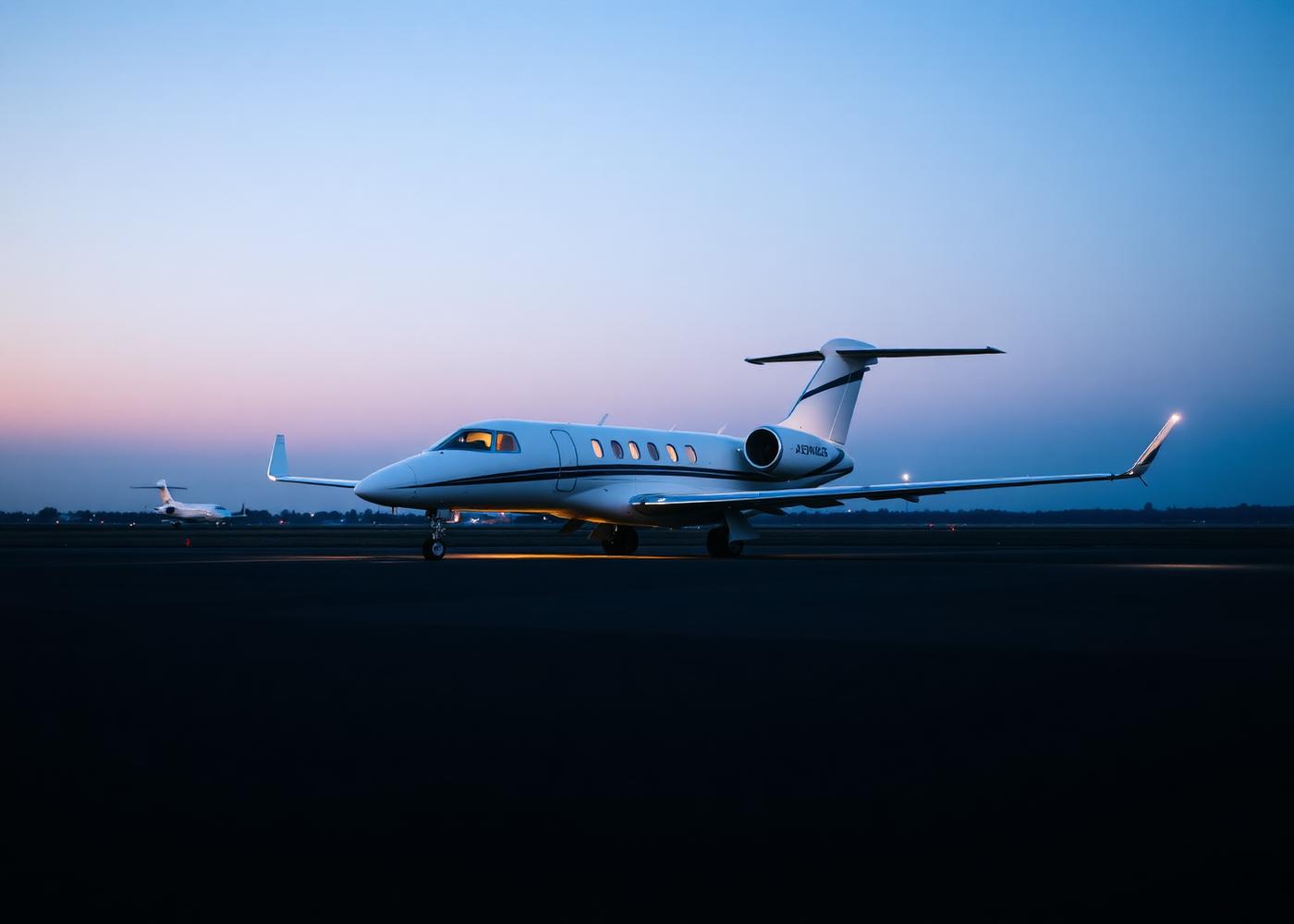
LIGHT JET
Cessna
The benchmark light jet for short European hops.
VIEW AIRCRAFT →LIGHT JET
Cessna
Light-jet economics, midsize cabin comfort.
VIEW AIRCRAFT →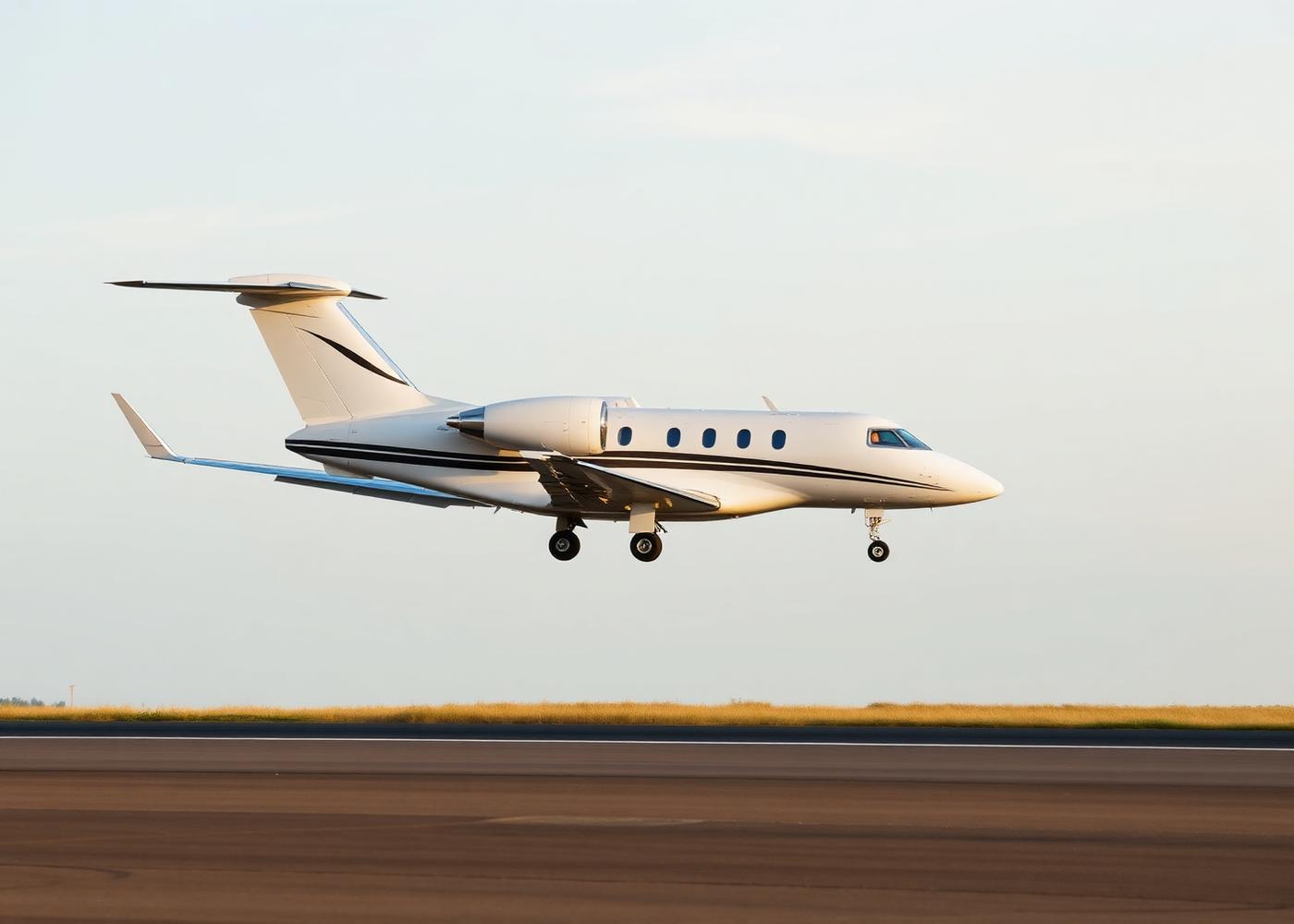
MIDSIZE JET
Hawker Beechcraft
The proven workhorse of midsize charter.
VIEW AIRCRAFT →MIDSIZE JET
Cessna
Six-foot flat-floor cabin at midsize prices.
VIEW AIRCRAFT →CHARTER GUIDES
PRICING & COST
12 min read
OPERATIONS & TRAVEL
12 min read
AIRCRAFT & FLEET
5 min read
AIRCRAFT & FLEET
5 min read
OPERATIONS & TRAVEL
5 min read
FAQ
A chauffeured transfer from Sion to the Valais ski resorts is about 50 minutes (65 km). Typical modes are helicopter to crans-montana, chauffeured suv. Limitless Sky pre-positions ground transport so the car is waiting planeside.
A chauffeured transfer from Bern-Belp to central Bern is about 15 minutes (9 km). Typical modes are chauffeured sedan. Limitless Sky pre-positions ground transport so the car is waiting planeside.
Zermatt is served by SIR, BRN. Choice depends on aircraft class, where you're staying, and slot availability. We pick the field that puts you closest to your hotel or yacht with the least ground time — see each airport guide for runway, customs and FBO detail.
Usually yes — many operators permit pets in the cabin, subject to aircraft-owner approval, destination rules, documentation and any operator-specific charges. Let us know the size and species when you request a quote and we will confirm per aircraft.
For most major airports we can have an aircraft positioned within 4 hours. Last-minute bookings are our specialty — we operate 24/7.
One-way prices estimated, confirmed quote within 1–2 hours: London → Sion (Zermatt) from €6,200 (midsize jet). Send your dates and passengers and you get an estimated price per aircraft class straight away, then two or three confirmed options with aircraft photos within 1–2 hours.
RELATED DESTINATIONS
EXPLORE THE CLUSTER
HUB GUIDES
BEST AIRCRAFT FOR ZERMATT
MORE IN ALPS & SKI RESORTS
EMPTY LEGS · TO ZERMATT
Repositioning flights to Zermatt come up occasionally and rarely stay available for long. Set an alert and we will tell you if one matches.
EMPTY-LEG ALERTS
We scan operator inventory every 12 hours. The moment a leg matches your route, date window and budget, we email you with a direct booking link.
MALLORCA · GERMANY, NRW, FRANKFURT
SKI SEASON · ALPS
An estimated price per aircraft class straight away, then two or three confirmed options with aircraft photos within 1–2 hours. 24/7, worldwide.
REQUEST A QUOTEAIRPORT COMPARISON
2 airports serve Zermatt. SIR is primary; GVA act as alternates when slots or runway constraints dictate.
SIR · GOOD
SIR
SIR — good private-jet access; 6,562 ft runway; 39 km transfer.
GVA · LSGG · PREMIER
Geneva Airport
Geneva Airport — primary jet gateway; 12,795 ft runway; 129 km transfer.
RECOMMENDED AIRCRAFT
Light Jet
Super Midsize Jet
POPULAR ROUTES
SEASONALITY
MAJOR EVENTS
Christmas / New Year
Slot allocation opens 60 days out; earliest booking wins.
GROUND TRANSPORT
HELICOPTER
CUSTOMS
VISA
WEATHER
RECOMMENDED STAY
MEDICAL / MEDEVAC
DESTINATION PROFILE
luxury
55
business
20
family
40
ski
90
beach
0
golf
10
medical
40
heli
85
marina
0
NEARBY DESTINATIONS
AI CONCIERGE
Structured knowledge object with 2 airports, 3 corridor routes, 1 named event windows, 5 nearby destinations and a full scoring profile — designed to answer concierge-level questions in real time.
FAQ
SIR (SIR) is the primary gateway. GVA
Light Jet is the best fit for most missions; short-runway constraints may push smaller groups to a Light Jet.
Pricing scales with aircraft class and the departure city (for example FAB). Send your dates and passengers to see an estimated price per aircraft class straight away; two or three confirmed options with aircraft photos follow within 1–2 hours.
See the seasonality panel — demand is driven by Christmas, New Year and February half-term.
Yes — rotary transfer is standard for this destination and can be arranged with the ground team.
KNOWLEDGE GRAPH
Airports serving this destination, routes clients fly here on, aircraft that operate them, and nearby destinations you can pair it with.