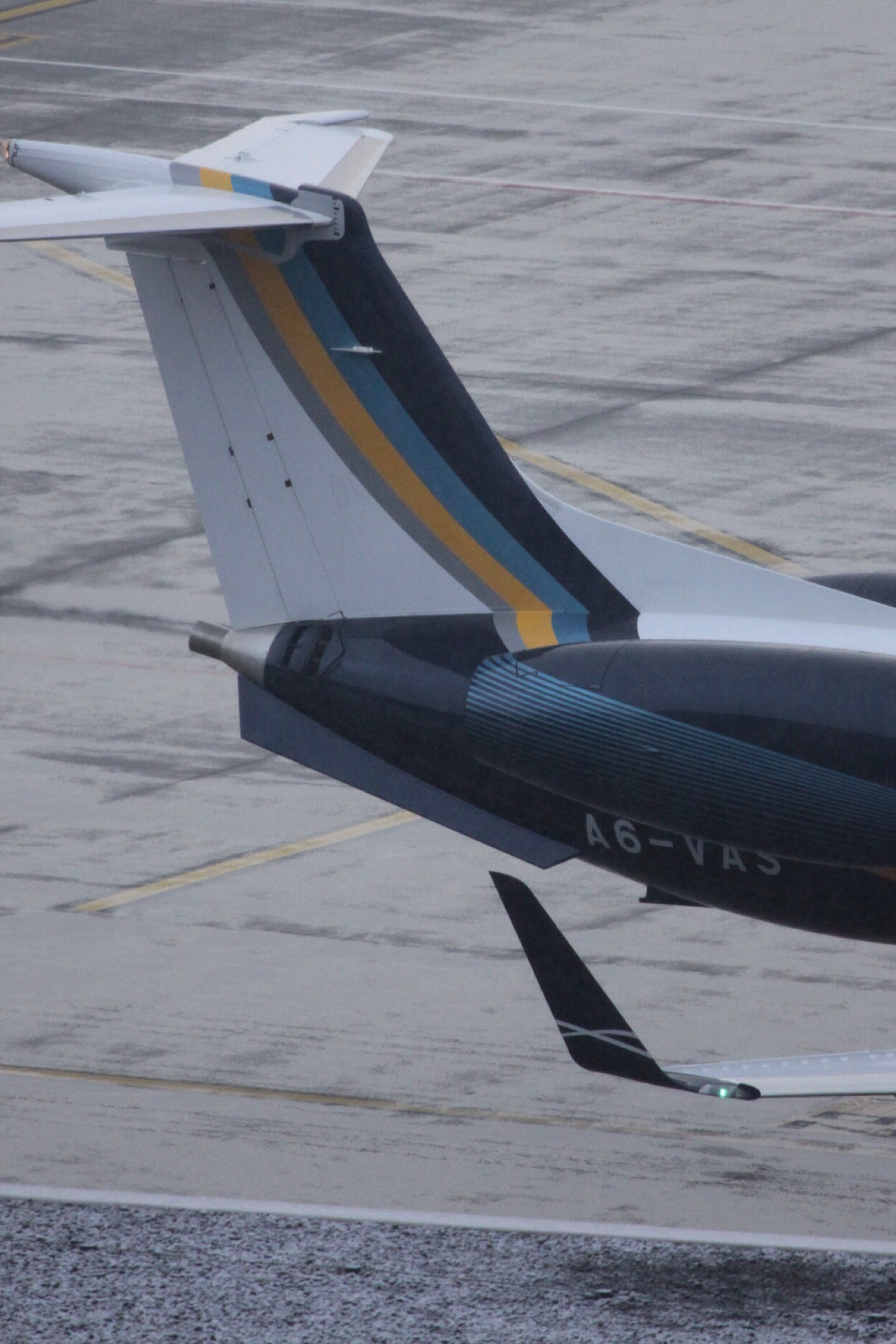
The story behind the Embraer Legacy 650E
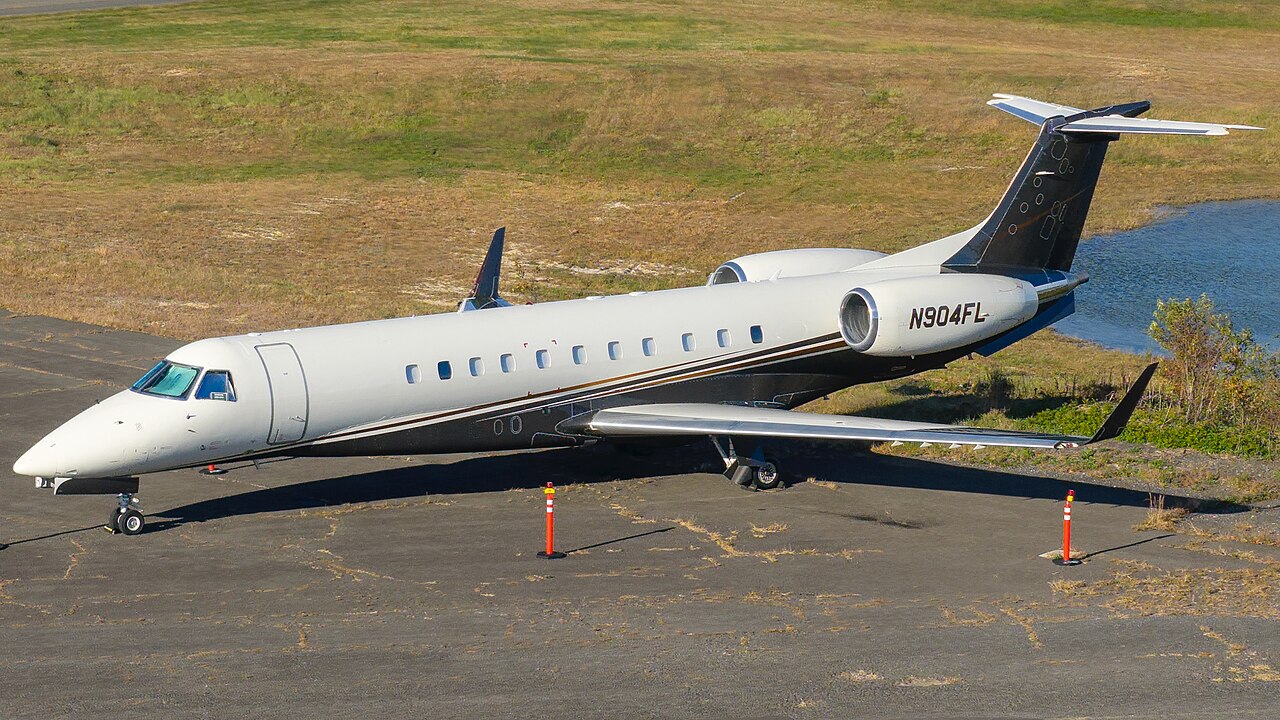
Embraer's entry into the business jet market in 2000 was built on a foundation that no dedicated business jet manufacturer could claim: the structural and systems engineering heritage of the ERJ-135 and ERJ-145 regional airliners, narrowbody jets that had been designed from inception to absorb the stresses of multiple short-haul cycles per day across decades of commercial service. When Embraer converted the ERJ-135 airframe into the Legacy 600 executive transport, it inherited an airframe with a fatigue life and structural robustness calibrated for airline operations — a margin of engineering reserve that purpose-built business jets rarely possess.
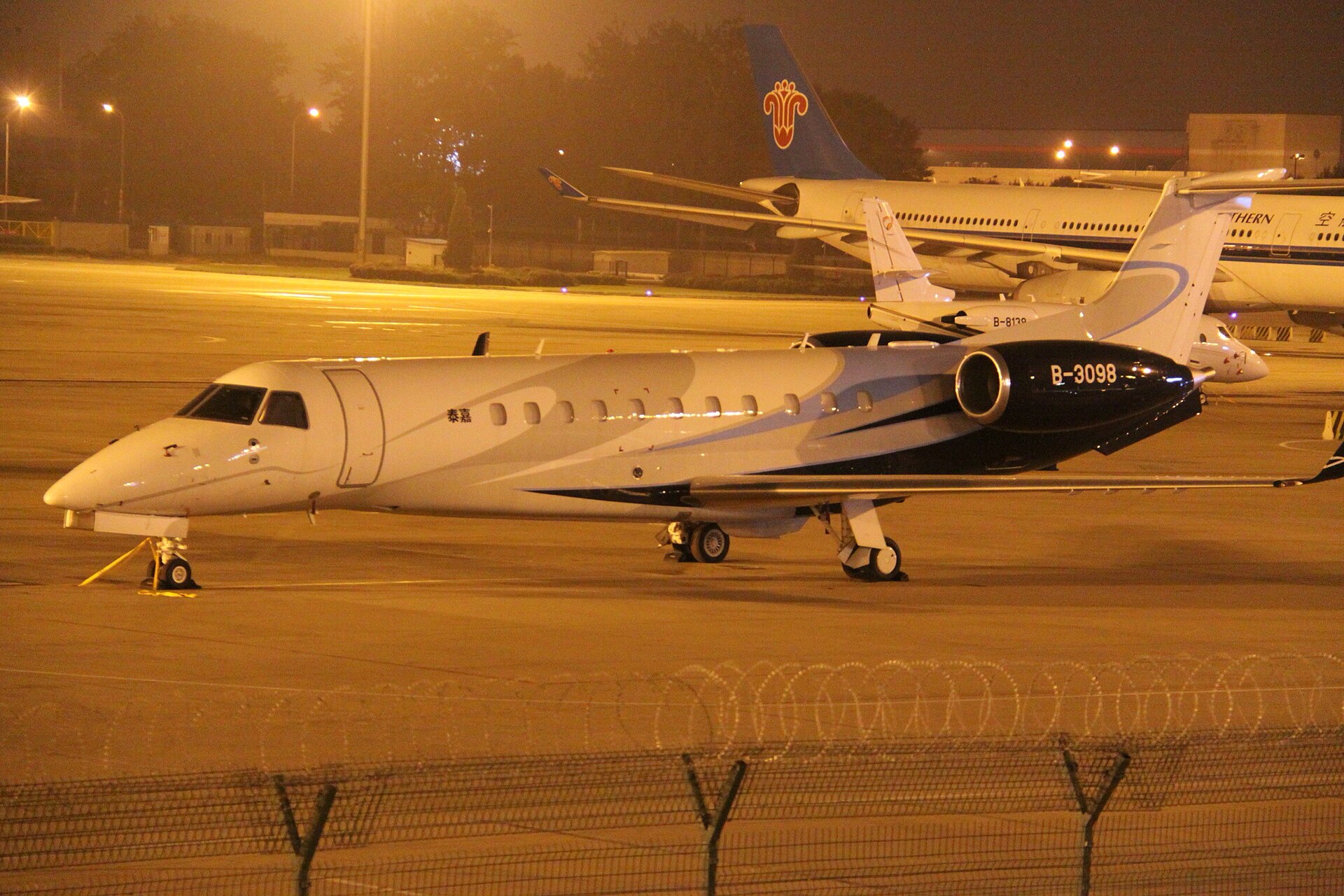
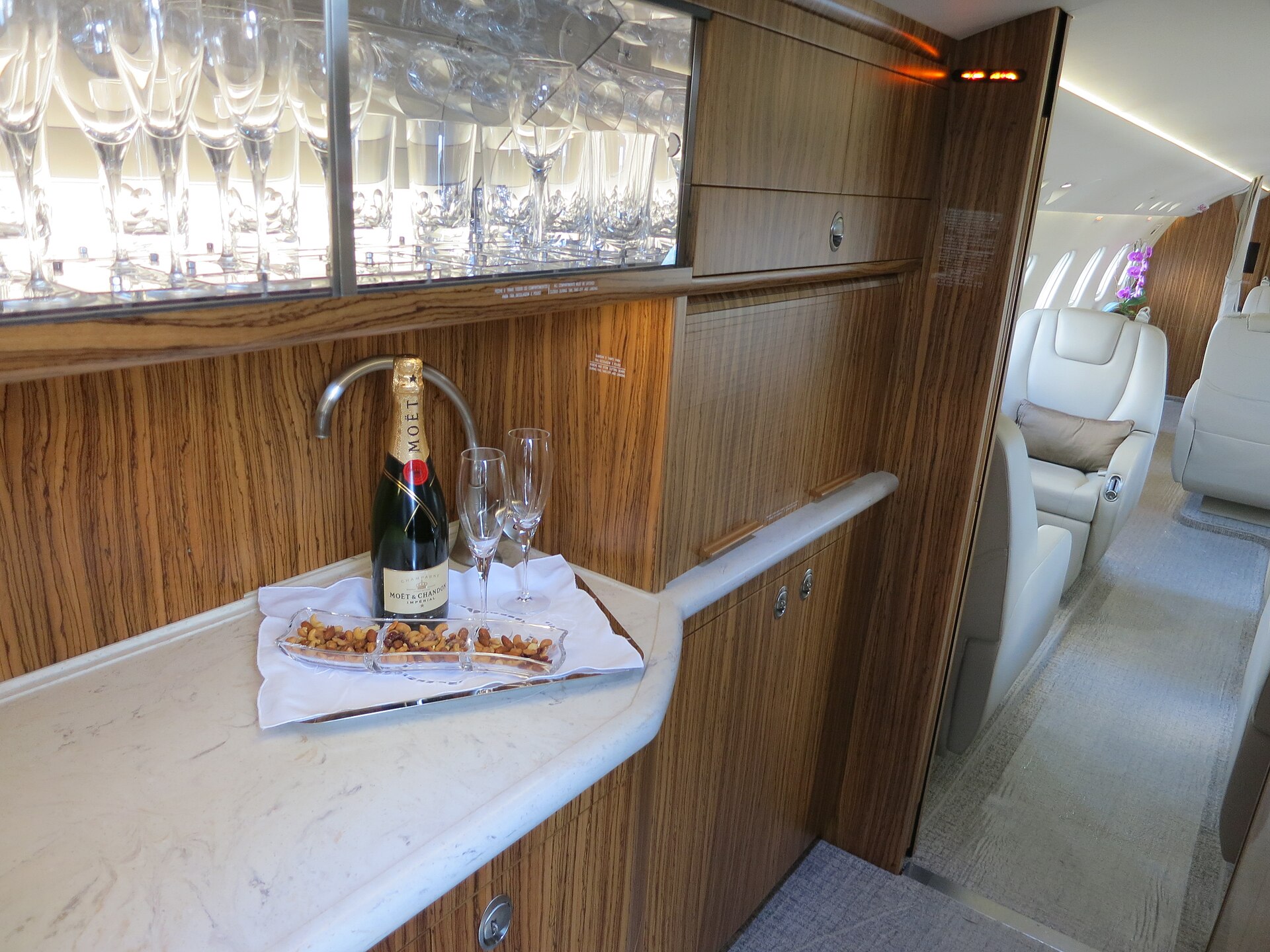
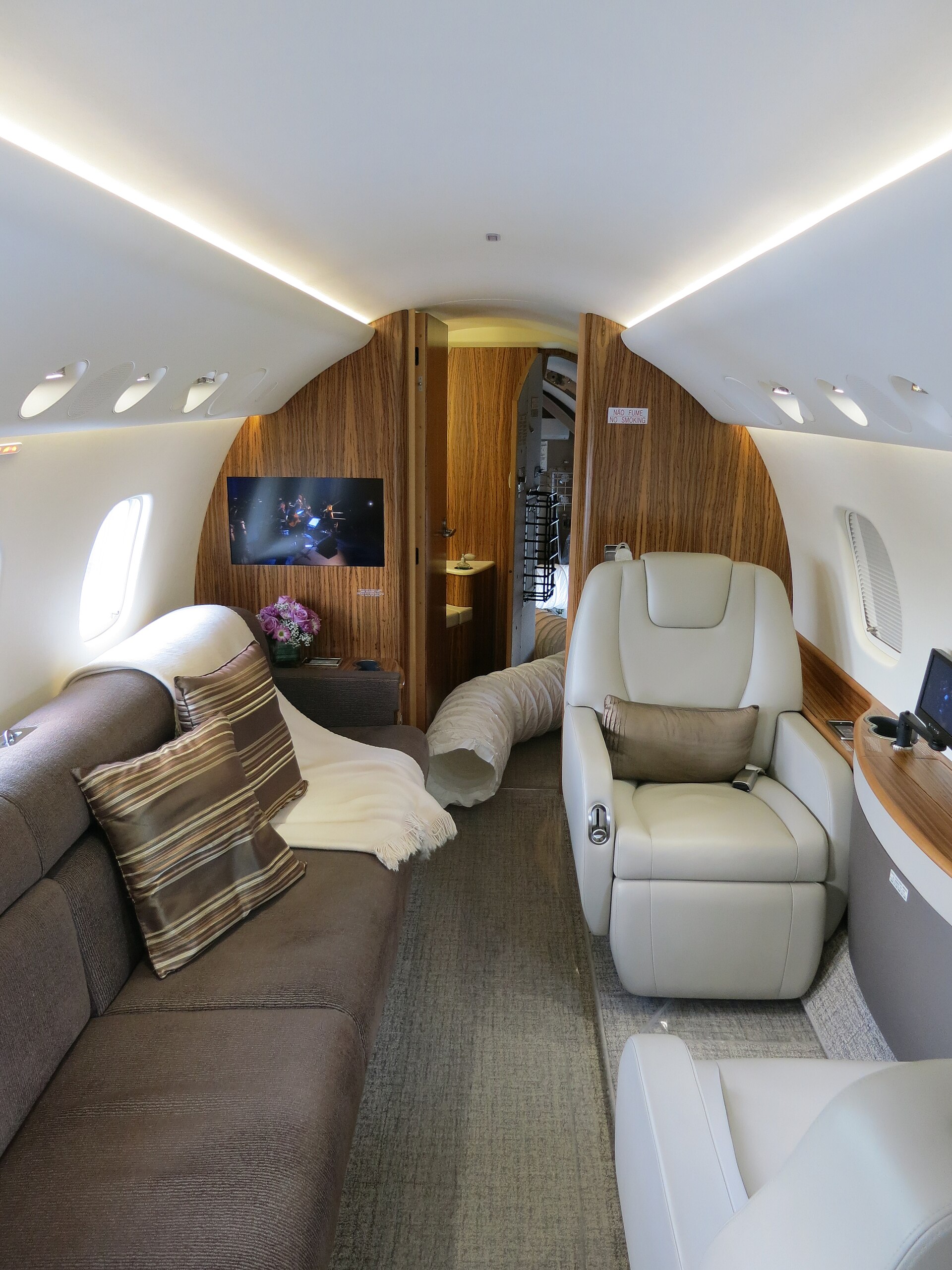
The Legacy 650 arrived in 2011, addressing the 600's primary limitation with an additional 2,600 lb of fuel capacity that extended range by approximately 400 nautical miles to 3,900 nm — sufficient, in favourable conditions, for a London-to-New York sector with eight passengers. The Legacy 650E (Enhanced), launched in 2016 and produced until approximately 2019, added Rockwell Collins Pro Line Fusion avionics with large-format touchscreen displays, improved cabin soundproofing, an updated interior programme, and a Rockwell Collins Venue cabin management system, transforming the cockpit from a respectable but dated environment into one that competed credibly with contemporary business-jet standards.
The aircraft's airliner origins are most visible in its Rolls-Royce AE 3007A2 engines — the same family that powers the Embraer ERJ-145 regional jet — and in its walk-in baggage hold, a feature that derives directly from the regional airliner's cargo bay design and that provides a volume of 240 cubic feet accessible via a dedicated fuselage door. This combination of airliner structural margins, exceptional baggage capacity, and a long three-zone cabin has positioned the Legacy 650E as the value proposition in the heavy-jet charter segment: more cabin and more baggage per pound spent than almost any competitor.