King Abdulaziz International
JEDRoyal Terminal; 24h customs and immigration.
- TRANSFER
- 30 min · 22 km
- TO
- the Corniche
- MODES
- Chauffeured SUV

Gateway between East and West.
Jeddah is the gateway to the Red Sea coast and the Hajj. The Royal Terminal at King Abdulaziz International provides discreet, expedited handling for executive movements.
See full private jet charter pricing.
BEST TIME TO CHARTER
October to April is peak. Summer months are quieter but offer significant empty leg value for outbound routes.
AIRPORTS, FBOs & TRANSFERS
Each option below shows the executive airport, drive time to Jeddah, and typical ground options. Tap an airport for the full guide — runways, FBOs, customs, slot rules and arrival workflow.
Royal Terminal; 24h customs and immigration.
New to private terminals? What is an FBO? · Private jet charter cost guide — FBO choice and charter pricing for Jeddah
POPULAR ROUTES
| ROUTE | FLIGHT TIME | TYPICAL AIRCRAFT | FROM |
|---|---|---|---|
| Jeddah → London | 6h 15m | Heavy / Ultra Long Range | from €43,800 |
| Jeddah → Dubai | 2h 30m | Midsize Jet | from €7,900 |
One-way prices for the aircraft class listed are estimated, confirmed quote within 1–2 hours. You get an estimate per aircraft class straight away, then two or three confirmed options with aircraft photos.
COSTS TO EXPECT
ENTRY POINT
from €43,800
Lowest estimated one-way price across the routes above — estimated, confirmed quote within 1–2 hours.
TYPICAL AIRCRAFT
Heavy / Ultra Long Range · Midsize Jet
Cabin selected against range, runway and party size. We confirm the exact tail before contracting.
WHAT'S INCLUDED
All-inclusive quote
Crew, fuel, handling, landing and de-icing fees, standard catering and FBO access. Peak-period positioning and overnight crew may apply on one-ways — flagged upfront.
Charter pricing is route- and date-sensitive. For a binding number, share dates, pax and luggage in the quote form.
CHARTER BUYER'S GUIDE
Jeddah is the gateway to the Red Sea coast and the Hajj. The Royal Terminal at King Abdulaziz International provides discreet, expedited handling for executive movements. It is a city of immense strategic importance, blending its ancient role as a trading port with a dynamic, modern identity that is central to Saudi Arabia's Vision 2030. As the Kingdom's second-largest city and primary commercial centre, Jeddah possesses a more liberal and cosmopolitan atmosphere than the capital, Riyadh. Its character is defined by the Red Sea, which has shaped its history, culture, and economy for millennia. For the private jet traveller, Jeddah is not merely a destination; it is a critical nexus for business, diplomacy, pilgrimage, and increasingly, high-end tourism. The city's infrastructure is geared towards accommodating the highest echelons of global travel, making it a perennially significant destination for private aviation in the Middle East.
Jeddah's magnetic pull for private aviation users stems from its multifaceted identity as a powerhouse of commerce, a spiritual threshold, and a burgeoning leisure hub. Commercially, it is the undisputed economic heart of western Saudi Arabia, home to major banking headquarters, family-owned trading empires, and the logistical infrastructure supporting the colossal Jeddah Islamic Port. Consequently, a significant portion of inbound charter flights carry corporate executives, financiers, and government delegations for high-stakes meetings and negotiations. The city thrives on this constant flow of international business, and its private aviation terminals are expertly equipped to provide the efficiency and discretion these movements demand. Beyond commerce, Jeddah holds profound religious significance as the principal gateway for millions of pilgrims undertaking the Hajj and Umrah journeys to the holy cities of Mecca and Medina. This sees a huge influx of high-net-worth individuals and family groups from across the Islamic world, who choose private charter for the convenience, comfort, and privacy it affords during this deeply personal and often physically demanding journey. They are joined by Saudi royalty and dignitaries from neighbouring Gulf states, for whom private air travel is the default mode of transport. More recently, Jeddah has been cultivated as a premier tourism destination. The annual Jeddah Season festival, the high-octane Formula 1 Saudi Arabian Grand Prix, and its proximity to ambitious Red Sea giga-projects are attracting a new wave of leisure travellers. They fly in to experience world-class events, explore the pristine coral reefs of the Red Sea, or use the city as a luxurious staging post for onward travel. The character of Jeddah is therefore a compelling dichotomy: a city where ancient souqs and UNESCO-listed architecture in Al-Balad coexist with the flamboyant modernity of the Corniche, its skyscrapers, and the record-breaking King Fahd’s Fountain. It is less austere than Riyadh, with a tangible energy and a diverse expatriate community that contribute to a uniquely cosmopolitan and outward-looking urban experience.
Arrival into Jeddah for the private traveller is handled exclusively through King Abdulaziz International Airport (KAIA, ICAO: OEJN, IATA: JED), located approximately 19 kilometres north of the city centre. While the airport is one of the busiest in the world, its private aviation infrastructure is superb, designed for seamless and discreet handling away from the commercial terminals. The primary choice for royalty, heads of state, and those seeking the highest level of protocol is the magnificent Royal Terminal. Access is strictly controlled, and it operates as a completely self-contained facility with its own customs, immigration, and security, allowing for ultimate privacy and the fastest possible transit from aircraft to vehicle. For the majority of private jet movements, handling is conducted through dedicated Fixed-Base Operators (FBOs). The main players include Saudia Private Aviation (SPA) and Jet Aviation, both of which operate from dedicated facilities. These FBOs provide a comprehensive suite of services, including luxurious passenger lounges, crew rest areas, flight planning support, and in-house customs and immigration clearance. Passengers can expect to be met at the aircraft steps by their handling agent and escorted to a private lounge to complete formalities in minutes, while their baggage is directly transferred to waiting ground transportation.
The operational dynamics at OEJN, however, require careful planning. The airport is subject to extremely high demand, leading to significant slot and parking constraints. The periods surrounding the Hajj pilgrimage see the airport operating at absolute capacity, and securing slots and parking becomes exceptionally challenging and expensive. Similarly, major events like the Saudi Arabian Grand Prix create immense pressure on available ramp space. During these peak times, it is common for authorities to enforce a ‘drop-and-go’ policy, where aircraft are permitted to disembark passengers but cannot remain parked. The aircraft must then reposition to another airport, often as far as Riyadh (RUH) or even Dubai (DWC), and return to collect passengers for departure, incurring significant additional costs for fuel, crew time, and landing fees. Therefore, charter buyers must instruct their brokers to seek firm confirmation of parking arrangements in writing. Booking several months in advance for travel during these critical periods is not just advisable, it is essential. Even during normal periods, slots can be competitive, and a degree of flexibility in arrival or departure times can be advantageous. Your operator’s familiarity with the local handling and permit processes is a vital asset in navigating the complexities of OEJN.
Once formalities are complete, onward travel from the FBO is swift and efficient. The primary and most practical method for ground transport is a pre-booked chauffeured vehicle. The journey from King Abdulaziz International Airport to the luxury hotels along the North Corniche, such as the Ritz-Carlton or Rosewood, typically takes between 20 to 30 minutes, depending on traffic. Travel to the central business districts or the Al-Hamra neighbourhood might take closer to 35 minutes, while reaching the historic Al-Balad district in the south can take 45 minutes or more. A range of high-end vehicles is available, with the Mercedes-Benz S-Class, BMW 7 Series, and Cadillac Escalade being standard options. For those requiring enhanced security or a higher level of luxury, armoured sedans and premium marques like Bentley or Rolls-Royce can be arranged through specialist local providers. It is crucial to book these services in advance through your charter broker or FBO to ensure the vehicle is waiting on the ramp at the time of arrival. For onward connections to the burgeoning luxury resorts and pristine islands of the Red Sea, helicopter charter offers a dramatic and highly efficient travel solution. The Helicopter Company (THC), backed by Saudi Arabia’s Public Investment Fund, is the premier operator in the Kingdom, providing state-of-the-art aircraft for VIP transport. A helicopter flight can connect Jeddah directly to exclusive destinations like the St. Regis Red Sea Resort or Nujuma, a Ritz-Carlton Reserve, dramatically cutting down travel time compared to land-and-sea alternatives. These flights require specific permits and prior arrangement for landing zones, a process best managed by a knowledgeable charter provider in coordination with the destination resort. For travellers with a maritime focus, seamless transfers can be arranged to connect with a privately chartered yacht. A chauffeured car can take you directly from the FBO to the modern Jeddah Yacht Club and Marina, a journey of about 25 minutes. Here, you can embark to explore the rich marine biodiversity of the Red Sea’s coastal reefs or begin a longer voyage along the coast. This integrated air-to-sea transfer is a popular option for leisure travellers seeking a complete luxury experience.
Jeddah’s accommodation landscape is dominated by prestigious international hotel brands, concentrated in districts that cater to different traveller profiles. The most sought-after neighbourhood for leisure visitors and those attending major events is the North Corniche. This glamorous waterfront strip is home to the city’s most opulent five-star hotels, including The Ritz-Carlton, Jeddah, with its palatial architecture; the sleek, modern Park Hyatt Jeddah, set within lush gardens; and the boutique-style Rosewood Jeddah, renowned for its panoramic Red Sea views. Staying in this area suits those who desire a resort-like experience, with easy access to private beach clubs, high-end shopping at the Boulevard, and the Jeddah Corniche Circuit for Formula 1 attendees. The atmosphere is one of polished, international luxury, and the sea views are a defining feature. For the business traveller, the Al-Hamra district offers a compelling alternative. Located south of the Corniche, it is a prestigious area that hosts numerous consulates, corporate headquarters, and government offices. It exudes a quieter, more residential feel while still offering excellent luxury accommodation, such as the InterContinental Jeddah. This district is ideal for executives who require proximity to their meetings while still being a short drive from the city’s best restaurants and leisure facilities. It provides a more subdued and discreet environment compared to the vibrant energy of the Corniche. A third distinct area is Al-Rawdah, a smart, centrally located district known for its upscale residential villas, trendy cafes, and designer boutiques. It has a chic, cosmopolitan vibe that appeals to younger travellers and those seeking a more local, albeit affluent, experience. While it has fewer large-scale hotels, there are excellent serviced apartments and boutique properties that offer a different style of luxury. For travellers with a deep interest in culture and history, the area around Al-Balad, Jeddah's UNESCO-listed Old Town, is becoming increasingly relevant. While it lacks the five-star properties of the Corniche, a number of beautifully restored traditional houses are being converted into unique heritage hotels. Staying here offers an immersive experience, placing you amidst the ancient coral-stone buildings and bustling souqs. This option is best suited for the culturally adventurous traveller who prioritises authenticity over resort-style amenities, providing a tangible connection to the city’s rich mercantile past.
Jeddah offers a wealth of activities that cater to the discerning traveller, blending adventure, culture, and exclusive experiences. The city’s defining feature is the Red Sea, and its underwater world is a primary draw. Chartering a private yacht from the state-of-the-art Jeddah Yacht Club & Marina is the ultimate way to explore the region’s pristine coral reefs, which are considered among the best-preserved in the world. A day trip can take you to nearby dive sites teeming with vibrant marine life, including colourful coral gardens, turtles, and diverse fish species. Operators can provide expert dive masters, full equipment, and gourmet catering on board for a truly bespoke maritime adventure. For a deep dive into Saudi heritage, a private, guided tour of Al-Balad is essential. This UNESCO World Heritage site is the historical heart of Jeddah, a labyrinth of narrow alleyways and ancient tower houses built from coral stone. A knowledgeable guide can provide access to key landmarks such as the magnificent Naseef House, a 19th-century mansion that once hosted royalty, and lead you through the bustling Souq Al Alawi, where you can find everything from fragrant spices and oud to intricate jewellery and traditional textiles. The experience offers a profound sense of the city’s past as a vital trading hub on the incense route. The modern face of Jeddah is best experienced along its spectacular waterfront. The Jeddah Corniche has been transformed into a sprawling public space featuring parks, beaches, and an impressive collection of open-air sculptures from artists like Henry Moore and Joan Miró. The centrepiece is King Fahd’s Fountain, which shoots a plume of water over 300 metres into the air and is particularly dramatic when illuminated at night. Motorsport enthusiasts will be drawn to the Formula 1 Saudi Arabian Grand Prix. Chartering a jet for the race weekend and securing a hospitality package at the Paddock Club offers an unparalleled viewing experience of the world’s fastest street circuit, which thrillingly hugs the coastline. For art connoisseurs, the contemporary Saudi art scene is vibrant and accessible. A visit to the Athr Gallery, a leading force in Middle Eastern contemporary art, provides insight into the creative pulse of the nation and a chance to acquire works by established and emerging Saudi artists.
Jeddah’s dining scene is arguably the most dynamic and cosmopolitan in Saudi Arabia, reflecting its history as a cultural crossroads. The city offers an extensive array of culinary experiences, from global fine-dining outposts to exceptional traditional Saudi cuisine. The ‘nightlife’ in Jeddah, in accordance with national laws, is an alcohol-free affair, yet it is sophisticated and vibrant. The social scene revolves around late-night dinners, elegant cafes, and luxurious shisha lounges, often active well past midnight. For world-class international cuisine, several restaurants stand out. MYAZU, located in the Al-Rawdah district, is a multi-award-winning Japanese concept offering contemporary dishes in a theatrical, high-energy setting; securing a reservation here is essential. Another top-tier choice is Nusr-Et, the famous steakhouse on the Corniche, which provides not only high-quality meat but also a famously flamboyant dining experience with commanding sea views. For those seeking refined Italian cuisine, Le Ciel at the Park Hyatt is a long-standing favourite, offering classic dishes in a stunning setting that overlooks the hotel’s lagoon and the Red Sea beyond. The quality of ingredients and service at these establishments is on par with other global luxury capitals. To experience authentic, upscale Saudi and Hejazi cuisine, Al-Nakheel Restaurant is an institution. Set in a traditional, open-air courtyard, it provides a more relaxed but culturally rich atmosphere where guests can enjoy local specialities like mandi (slow-cooked lamb with rice) and sayadiyah (spiced fish). The social fabric of Jeddah’s evenings is woven in its many high-end cafes and patisseries. The lounges within the five-star hotels, such as the Rosewood’s Soleil or the Ritz-Carlton’s Karamel Lounge, are popular meeting spots for the city’s elite. Here, you can enjoy exquisitely crafted mocktails, speciality coffees, and delicate pastries in a plush, serene environment, often accompanied by live piano or oud music. These venues are perfect for quiet business conversations or for simply relaxing after a day of activities. The experience is one of refined socialising, where the focus is on conversation, atmosphere, and culinary excellence.
The cost and availability of chartering a private jet to Jeddah are intrinsically linked to a distinct seasonal calendar marked by major religious, sporting, and cultural events. Understanding these dynamics is crucial for effective planning and budgeting. The most pleasant time to visit, in terms of climate, is between October and March, when daytime temperatures are warm but manageable and evenings are cool. This period is also the peak season for business and leisure travel, outside of religious events. The summer months, from May to September, are characterised by extreme heat and humidity, which can limit outdoor activities, though the city remains active. The single greatest influence on pricing and airport operations is the Hajj, the annual Islamic pilgrimage to Mecca, which occurs in the twelfth month of the Islamic calendar. In the weeks leading up to, during, and after the Hajj, King Abdulaziz International Airport is transformed into the world’s busiest hub for pilgrim traffic. Landing slots become incredibly scarce, handling fees are subject to significant premiums, and aircraft parking is almost impossible to secure. Most charter flights operate on a drop-off and pick-up basis only, requiring the aircraft to reposition to another country, with all associated costs passed on to the client. Charter prices can easily double or triple during this period. The holy month of Ramadan and the subsequent Eid-al-Fitr holiday also constitute a peak travel period, with high demand for both inbound and outbound flights. Another major peak occurs around the Formula 1 Saudi Arabian Grand Prix, typically held in late autumn or early winter. This event draws a massive international audience, placing immense strain on airport capacity, hotel inventory, and ground transportation. Booking for this event should be done at least three to six months in advance to secure slots and competitive pricing. To achieve cost savings, the most effective strategy is advance planning. Booking at least six to eight weeks ahead of your intended travel dates, especially outside of the absolute peak periods, allows your broker to secure the best-priced aircraft and confirm favourable slot times and parking. If your schedule allows for flexibility, travelling mid-week can sometimes offer better value than on weekends. Furthermore, choosing the right aircraft is key; avoid oversizing the jet for your passenger load, as a more fuel-efficient, smaller aircraft (where appropriate for the range) will have lower operating and handling fees.
Chartering a private jet to Jeddah requires a nuanced approach that respects local regulations, operational realities, and cultural customs. A typical booking lead time for a standard business or leisure trip is two to four weeks. This allows sufficient time for your operator to secure the necessary landing permits, arrange slots, and coordinate with the local FBO. However, for travel during peak periods such as the Hajj, Ramadan, or the Formula 1 Grand Prix, this window must be extended dramatically. A lead time of three to six months is highly recommended to navigate the extreme demand and secure essential logistics like aircraft parking and hotel suites. One of the most common and costly pitfalls is underestimating the airport constraints. A charter buyer should never assume that parking will be available on arrival. It is imperative to instruct your charter broker to seek explicit, written confirmation of ‘parking confirmed’ from the handling agent. Without this, you risk incurring substantial, unbudgeted costs for the aircraft to reposition to another airport. Another critical area is documentation. Visa requirements for Saudi Arabia have been liberalised for many nationalities through the e-visa system, but regulations can change. You must verify the specific visa rules for every passenger’s nationality well in advance of the flight. Ensure passports have at least six months of validity. Crew visas also need careful management by the operator. Cultural sensitivity is paramount. While Jeddah is more relaxed than other parts of the Kingdom, a respectful approach is appreciated. This includes dressing modestly in public, particularly for women. It is also important to be aware that the importation and consumption of alcohol are strictly illegal in Saudi Arabia, with severe penalties. No alcohol should be brought into the country by passengers or stocked on the aircraft for the inbound leg. When booking your charter, there are several key questions to ask your provider. Firstly, demand an all-inclusive quote that transparently details all anticipated costs, including flight time, airport fees, handling charges, and taxes. Crucially, ask for a clear breakdown of costs if repositioning is required. Secondly, request confirmation of the specific FBO being used and the arrangements for customs and immigration clearance. Finally, ensure your chosen operator has demonstrable experience flying into Saudi Arabia. Their familiarity with the General Authority of Civil Aviation (GACA) regulations and the local operational environment is a vital component of a smooth and successful charter to Jeddah.
ON THE GROUND
AIRCRAFT
4–6 passengers, up to 3h
Citation CJ3, Phenom 300 — ideal for short European hops with quick turnarounds.
7–9 passengers, up to 5h
Citation XLS+, Hawker 900XP — stand-up cabin, full galley, transcontinental Europe.
10–14 passengers, 6h+
Challenger 605, Gulfstream G450, Falcon 7X — intercontinental with bedroom-class comfort.
FLEET FOR JEDDAH
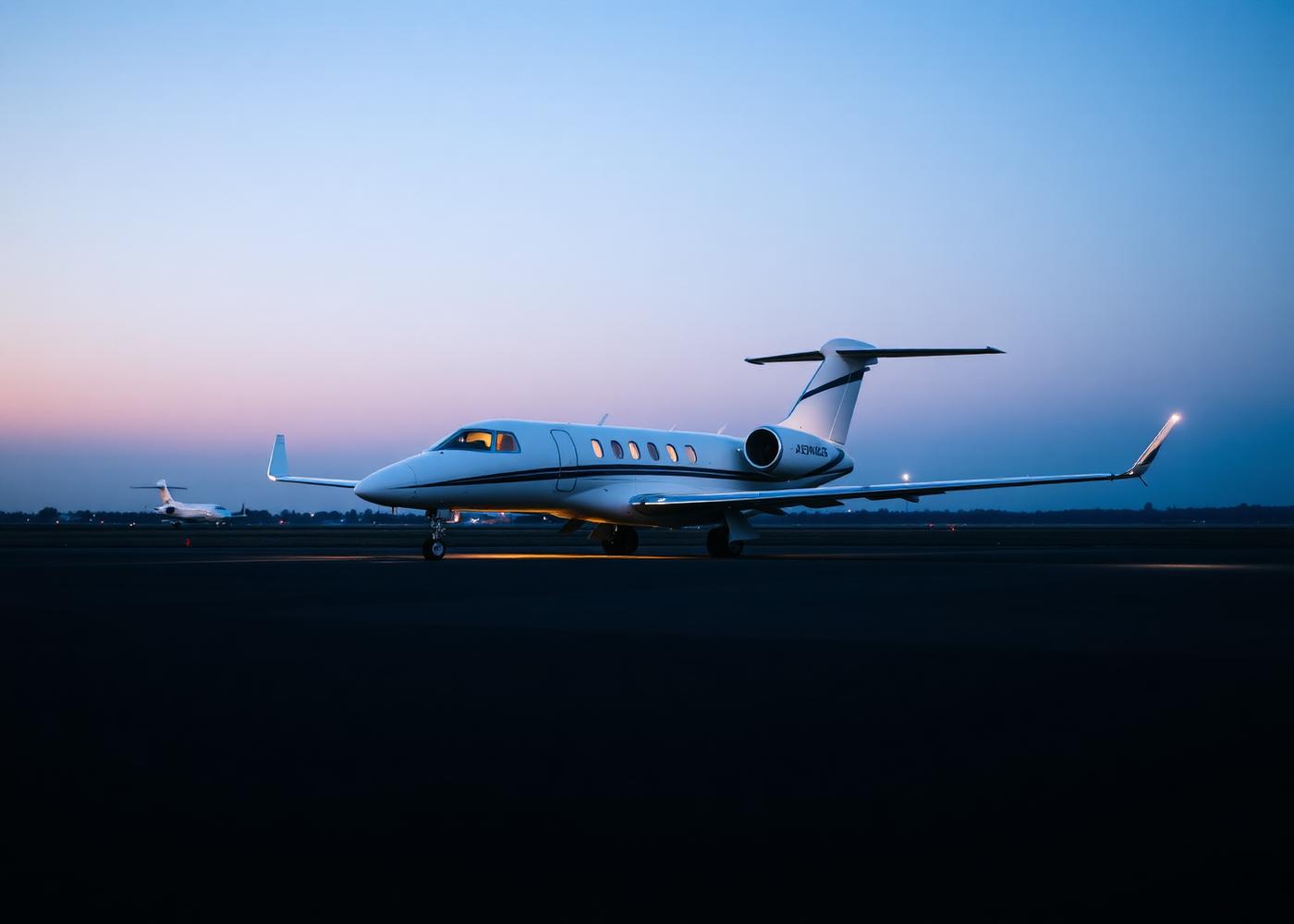
LIGHT JET
Cessna
The benchmark light jet for short European hops.
VIEW AIRCRAFT →LIGHT JET
Cessna
Light-jet economics, midsize cabin comfort.
VIEW AIRCRAFT →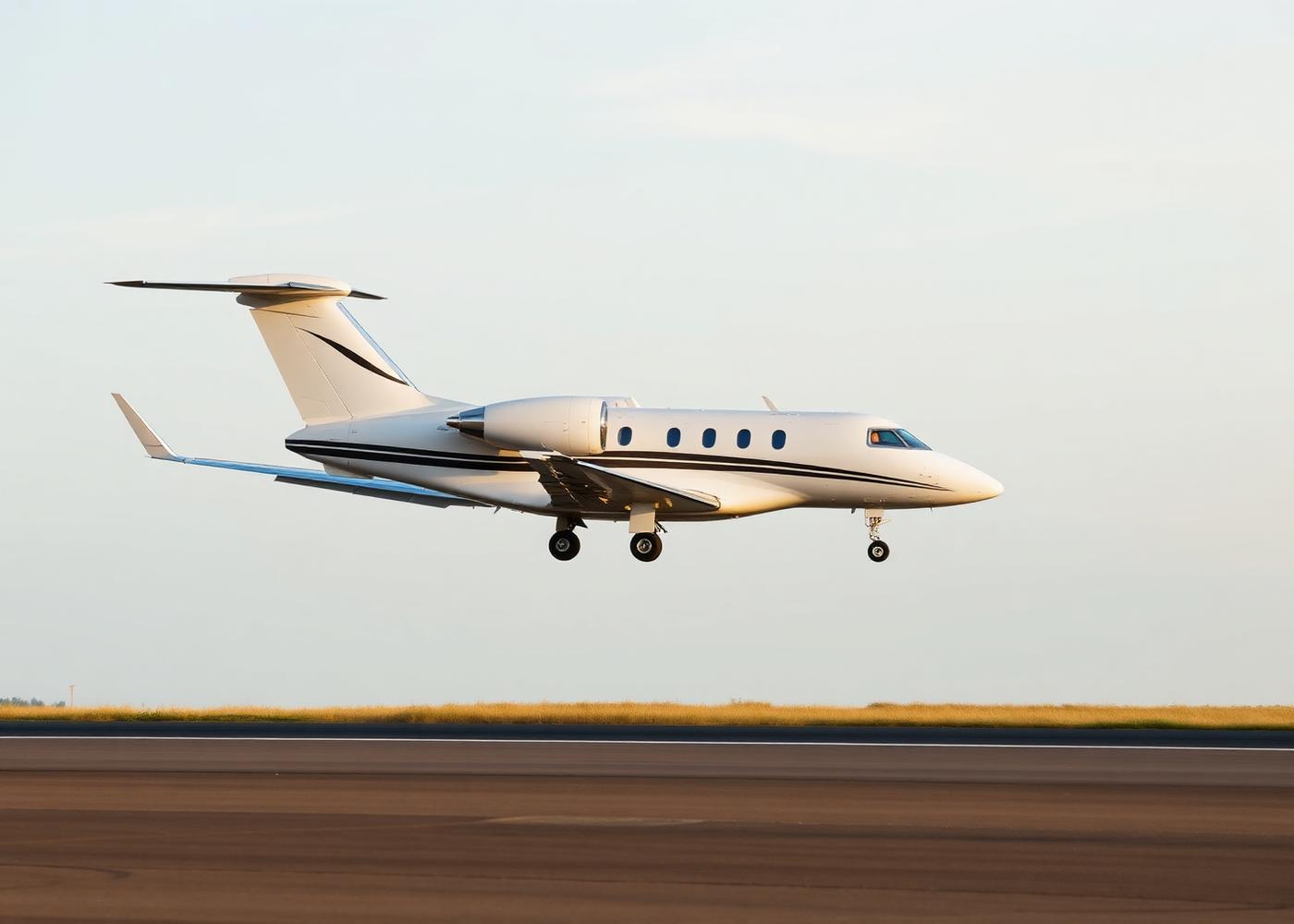
MIDSIZE JET
Hawker Beechcraft
The proven workhorse of midsize charter.
VIEW AIRCRAFT →MIDSIZE JET
Cessna
Six-foot flat-floor cabin at midsize prices.
VIEW AIRCRAFT →CHARTER GUIDES
PRICING & COST
12 min read
OPERATIONS & TRAVEL
12 min read
AIRCRAFT & FLEET
6 min read
OPERATIONS & TRAVEL
5 min read
LIFESTYLE & ETIQUETTE
5 min read
FAQ
A chauffeured transfer from King Abdulaziz International to the Corniche is about 30 minutes (22 km). Typical modes are chauffeured suv. Limitless Sky pre-positions ground transport so the car is waiting planeside.
Usually yes — many operators permit pets in the cabin, subject to aircraft-owner approval, destination rules, documentation and any operator-specific charges. Let us know the size and species when you request a quote and we will confirm per aircraft.
For most major airports we can have an aircraft positioned within 4 hours. Last-minute bookings are our specialty — we operate 24/7.
One-way prices estimated, confirmed quote within 1–2 hours: Jeddah → London from €43,800 (heavy / ultra long range); Jeddah → Dubai from €7,900 (midsize jet). Send your dates and passengers and you get an estimated price per aircraft class straight away, then two or three confirmed options with aircraft photos within 1–2 hours.
RELATED DESTINATIONS
EXPLORE THE CLUSTER
HUB GUIDES
BEST AIRCRAFT FOR JEDDAH
EMPTY LEGS · TO JEDDAH
Repositioning flights to Jeddah come up occasionally and rarely stay available for long. Set an alert and we will tell you if one matches.
EMPTY-LEG ALERTS
We scan operator inventory every 12 hours. The moment a leg matches your route, date window and budget, we email you with a direct booking link.
MALLORCA · GERMANY, NRW, FRANKFURT
SKI SEASON · ALPS
An estimated price per aircraft class straight away, then two or three confirmed options with aircraft photos within 1–2 hours. 24/7, worldwide.
REQUEST A QUOTEAIRPORT COMPARISON
JED is the single realistic gateway for Jeddah charters.
JED · PREMIER
JED
JED — primary jet gateway; 13,123 ft runway; in-town.
RECOMMENDED AIRCRAFT
Super Midsize Jet
POPULAR ROUTES
SEASONALITY
GROUND TRANSPORT
HELICOPTER
CUSTOMS
VISA
WEATHER
RECOMMENDED STAY
MEDICAL / MEDEVAC
DESTINATION PROFILE
luxury
65
business
65
family
30
ski
0
beach
0
golf
0
medical
40
heli
30
marina
0
NEARBY DESTINATIONS
AI CONCIERGE
Structured knowledge object with 1 airports, 4 corridor routes, 0 named event windows, 5 nearby destinations and a full scoring profile — designed to answer concierge-level questions in real time.
FAQ
JED (JED) is the primary gateway. There are no realistic alternatives on the ground.
Super Midsize is the best fit for most missions; short-runway constraints may push smaller groups to a Light Jet.
Pricing scales with aircraft class and the departure city (for example FAB). Send your dates and passengers to see an estimated price per aircraft class straight away; two or three confirmed options with aircraft photos follow within 1–2 hours.
See the seasonality panel — demand is driven by corporate and event calendars.
Not standard for this destination; chauffeur car service is the primary transfer option.
CONTINUE YOUR JOURNEY AT SEA
Our sister platform, Blue Ocean Club, curates crewed yachts across Red Sea. When the live yacht feed is connected, availability and pricing will appear here.
Data source status: connecting to Blue Ocean Club…
AVIATION FACTS · AVI-GO 2025
Desk-verified market figures linked to this page — drawn from Avi-Go analytics reports and surfaced for charter planning context.
Jeddah ↔ Riyadh ranked #2 Rest of World city pair in June 2026 with 249 bidirectional flights (-30.83% MoM, +37.57% YoY).
structured · confidence 95% · verified 2026-07-28
Alpha Star Aviation Services concentrated 49.15% of its Rest of World June 2026 departures on Jeddah ↔ Riyadh — the highest single-route concentration in the regional top-10 operator set.
structured · confidence 94% · verified 2026-07-28
31.18%
Verified aviation metric
Saudia Private Aviation concentrated 31.18% of its Rest of World June 2026 departures on Jeddah ↔ Riyadh.
structured · confidence 94% · verified 2026-07-28
Jeddah ↔ Riyadh ranked #2 Rest of World absolute volume change in June 2026: -111 (360 → 249).
structured · confidence 94% · verified 2026-07-28
OEJN ranked #1 origin into OERK in June 2026 with 117 flights (31.62% of that hub's analyzed arrivals).
structured · confidence 93% · verified 2026-07-28
Alpha Star Aviation Services's #1 route in Rest of World in June 2026 was Jeddah ↔ Riyadh (49.15% of that operator's regional departures).
structured · confidence 92% · verified 2026-07-28
Saudia Private Aviation's #1 route in Rest of World in June 2026 was Jeddah ↔ Riyadh (31.18% of that operator's regional departures).
structured · confidence 92% · verified 2026-07-28
-30.83%
Verified aviation metric
Jeddah ↔ Riyadh moved -30.83% MoM in June 2026 (360 → 249).
structured · confidence 94% · verified 2026-07-28
+37.57%
Verified aviation metric
Jeddah ↔ Riyadh moved +37.57% YoY in June 2026 (181 in June 2025 → 249).
structured · confidence 94% · verified 2026-07-28
Jeddah ↔ Riyadh logged 181 bidirectional flights in June 2025 (baseline for June 2026 YoY +37.57%).
structured · confidence 94% · verified 2026-07-28
Jeddah ↔ Riyadh logged 360 bidirectional flights in May 2026 (baseline for June MoM).
structured · confidence 94% · verified 2026-07-28
Jeddah ↔ Riyadh logged 360 flights in May 2026 before a -111 June change to 249.
structured · confidence 93% · verified 2026-07-28
KNOWLEDGE GRAPH
Airports serving this destination, routes clients fly here on, aircraft that operate them, and nearby destinations you can pair it with.