King Khalid International
RUHRoyal Terminal & ExecuJet handling.
- TRANSFER
- 45 min · 35 km
- TO
- central Riyadh
- MODES
- Chauffeured SUV
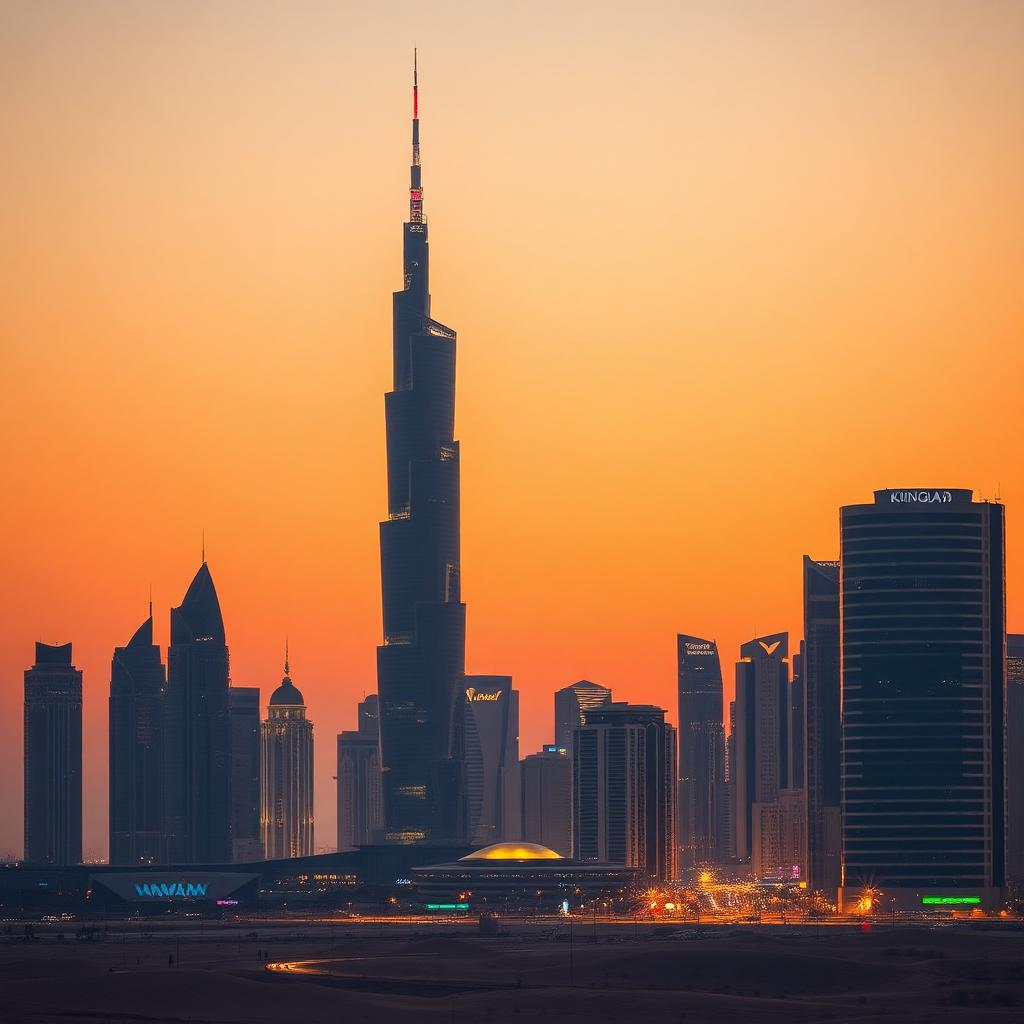
Gateway between East and West.
Riyadh's business aviation traffic has more than doubled since 2021. King Khalid International and the new Riyadh Air Base handle a deep mix of government, corporate and family-office movements.
See full private jet charter pricing.
BEST TIME TO CHARTER
October to April is peak. Summer months are quieter but offer significant empty leg value for outbound routes.
AIRPORTS, FBOs & TRANSFERS
Each option below shows the executive airport, drive time to Riyadh, and typical ground options. Tap an airport for the full guide — runways, FBOs, customs, slot rules and arrival workflow.
Royal Terminal & ExecuJet handling.
Restricted access; royal and government use.
New to private terminals? What is an FBO? · Private jet charter cost guide — FBO choice and charter pricing for Riyadh
POPULAR ROUTES
| ROUTE | FLIGHT TIME | TYPICAL AIRCRAFT | FROM |
|---|---|---|---|
| Riyadh → London | 6h 30m | Heavy / Ultra Long Range | from €45,500 |
| Riyadh → Dubai | 1h 45m | Midsize Jet | from €5,700 |
One-way prices for the aircraft class listed are estimated, confirmed quote within 1–2 hours. You get an estimate per aircraft class straight away, then two or three confirmed options with aircraft photos.
COSTS TO EXPECT
ENTRY POINT
from €45,500
Lowest estimated one-way price across the routes above — estimated, confirmed quote within 1–2 hours.
TYPICAL AIRCRAFT
Heavy / Ultra Long Range · Midsize Jet
Cabin selected against range, runway and party size. We confirm the exact tail before contracting.
WHAT'S INCLUDED
All-inclusive quote
Crew, fuel, handling, landing and de-icing fees, standard catering and FBO access. Peak-period positioning and overnight crew may apply on one-ways — flagged upfront.
Charter pricing is route- and date-sensitive. For a binding number, share dates, pax and luggage in the quote form.
CHARTER BUYER'S GUIDE
Riyadh, the geographical and political capital of Saudi Arabia, has transitioned from a regional administrative hub into one of the most significant nodes for global business aviation. The city is currently the focal point of the Vision 2030 strategy, which has seen a shift in movement profiles from purely diplomatic and petrochemical-related transit to a diversified mix of institutional investment, technology, and large-scale infrastructure consulting. Private aviation traffic at King Khalid International (RUH) has more than doubled since 2021, reflecting the scale of these developments. Charter clients typically comprise sovereign wealth representatives, C-suite executives from multinationals, and family offices managing regional interests. Unlike the seasonal leisure demand typical of Mediterranean or Alpine destinations, Riyadh’s flight patterns are dictated by the business calendar, major conferences like the Future Investment Initiative (FII), and the growing calendar of cultural events forming the 'Riyadh Season'.
Operational demand often fluctuates based on government summits. While the market is increasingly open, flying into Riyadh still requires a sophisticated understanding of local protocols. Navigating the logistics of a Saudi charter involves more than just selecting an airframe; it requires rigorous management of landing permits—which are processed through the General Authority of Civil Aviation (GACA)—and an understanding of the distinct handling environments available at the airport. Arrivals are no longer exclusively male-dominated business delegations; we are seeing a significant rise in high-net-worth female travellers and families, which has influenced how FBOs (Fixed Base Operators) and concierge services manage the arrival flow and privacy requirements.
The most practical window for chartering to Riyadh is between November and March. During these winter months, temperatures are manageable, ranging from 10°C to 25°C, making ground operations and site visits significantly more comfortable. From a flight operations perspective, this is also the period of highest congestion. The 'Riyadh Season'—a city-wide festival of sports and entertainment—runs through these months, leading to a spike in demand for ramp space and hotel availability. During major events such as the FII (often referred to as 'Davos in the Desert'), slots at the Royal Terminal and ExecuJet FBO can be restricted, and aircraft parking becomes a primary constraint. We advise booking at least four weeks in advance for these specific windows to ensure aircraft are positioned without incurring massive ferry flight costs.
Conversely, the summer months (June to September) see temperatures frequently exceeding 45°C. While aircraft performance is rarely inhibited by the heat on Riyadh’s long runways, the 'density altitude' can occasionally affect take-off performance for smaller light jets on exceptionally hot days if they are heavily loaded. During summer, the city is quieter as many local residents and decision-makers migrate to cooler climates in Europe or Taif. This results in higher availability of local charter aircraft and more flexibility with last-minute slot requests. However, sandstorms are a genuine operational risk during the spring and summer. These events can suddenly reduce visibility to below CAT III minimums, leading to diversions to Dammam or Jeddah. Professional flight departments will always monitor these weather fronts 48 hours out to adjust departure times accordingly.
King Khalid International is the primary gateway for all private and commercial aviation in the capital. Located approximately 35 kilometres north of the city centre, it features two parallel runways (15L/33R and 15R/33L), both exceeding 4,200 metres in length. This allows the airport to handle any civilian aircraft in existence, from the Citation M2 to a Boeing 747-8 BBJ, without weight restrictions.
For private charter, the experience is centralised around the dedicated General Aviation terminal. ExecuJet provides extensive FBO services here, offering a streamlined path through customs and immigration that bypasses the commercial terminals entirely. The facility includes private lounges, prayer rooms, and business centres. Customs and immigration are available 24/7, though duty-free regulations are strictly enforced in accordance with Saudi law. Parking is generally available, but during peak periods (such as the Saudi Cup or FII), GACA may issue NOTAMs (Notices to Air Missions) restricting stays to 'drop-and-go' only, meaning the aircraft must reposition to a secondary airport like Dammam (DMM) after offloading passengers.
Formerly the city's main airport (Riyadh Old Airport), this facility is now a military and government installation located much closer to the city centre. While it is incredibly convenient for reaching the Ministry buildings and Olaya district, access is strictly limited. Only royal flights, government-sanctioned heads of state, and specifically authorised military contractors are permitted to use OERY. Unless you are travelling on a diplomatic passport with a direct invitation from the Royal Court, your charter will be directed to King Khalid International.
In the event of weather-related closures at RUH, the primary alternate is King Fahd International in Dammam (DMM). It is roughly a 45-minute flight from Riyadh. Ground transfers from Dammam to Riyadh are possible but involve a 4-hour drive, so it is almost always preferable to wait out the weather on the ground or in a holding pattern if fuel reserves allow.
For regional hops such as Riyadh to Dubai or Riyadh to Doha, midsize aircraft are the standard. The Cessna Citation XLS+ and the Embraer Phenom 300 are workhorses in the Gulf. They offer the necessary performance to handle the heat and provide a cabin comfortable enough for the 1.5 to 2-hour flight times. The Phenom 300 is particularly favoured for its luggage capacity, which is often a requirement for regional business delegations. Moving up, the Challenger 350 and Praetor 600 are excellent for non-stop flights to Istanbul or Cairo, providing a stand-up cabin and significantly more soundproofing, which is essential for conducting meetings mid-flight.
For missions into Europe, such as Riyadh to London or Paris, a Heavy Jet is the minimum requirement for a comfortable 6.5-hour journey. The Challenger 650 and the Legacy 650E offer wide cabins that allow for a full meal service and a flight attendant. These aircraft accommodate between 10 and 13 passengers and have the range to reach most of the EU without a fuel stop. The Falcon 2000LXS is another superb option, known for its ability to land on shorter runways elsewhere while maintaining a robust transcontinental range.
For flights to the United States (e.g., Riyadh to New York or Los Angeles) or multi-leg journeys involving several Asian capitals, ULR aircraft are necessary. The Gulfstream G650ER and Bombardier Global 7500 are the gold standards here. These aircraft offer multiple cabin zones, allowing a principal to sleep in a dedicated bedroom while staff continue to work in the forward cabin. The Falcon 8X is also a frequent visitor to RUH, prized for its three-engine redundancy on long overwater segments and its exceptionally quiet cabin. These aircraft are capable of flying 12+ hours non-stop, effectively turning a Riyadh-based business into a global operation.
Charter costs for Riyadh are influenced heavily by positioning. Since Riyadh is a 'destination' rather than a 'hub' for many European-based fleets, you may often pay for the aircraft to fly empty to pick you up, or empty to return home after dropping you off.
Empty-Leg Savings: Clients can often find savings of 30% to 60% if they are flexible with their departure time. However, in Saudi Arabia, these are often 'one-way' opportunities created by government or corporate shuttle flights. Peak Uplifts: During the FII or the Riyadh Season opening, expect a 20–25% premium on charter rates due to the surge in local handling costs and the scarcity of available aircraft in the region.
Upon landing at RUH, the transition from the aircraft to the city centre is efficient if managed correctly. Passengers are met airside and transported via a luxury shuttle to the ExecuJet FBO. Immigration and customs are handled within this private facility, generally taking less than 15 minutes for a group of four.
Ground Transfer: The drive from King Khalid International to the Olaya business district takes approximately 30 to 45 minutes, depending on the time of day. Riyadh's traffic can be intensive during peak hours (07:30–09:30 and 16:30–19:00). We always recommend a pre-booked chauffeur service rather than relying on local taxi apps. For those needing to bypass traffic, helicopter transfers are becoming more common, though they require specific landing clearances that must be arranged 48 hours in advance.
Luggage & Customs: Saudi customs inspectors are thorough. All bags are X-rayed. It is vital for charter passengers to be aware that the importation of alcohol, pork products, and certain restricted publications is strictly prohibited and can lead to significant delays or legal issues at the FBO.
Pet Handling: Bringing pets into Saudi Arabia involves a complex bureaucratic process including health certificates and import permits from the Ministry of Environment, Water and Agriculture. Not all FBOs are equipped to handle pets, so this must be declared at the point of booking.
Riyadh is a city composed of sprawling districts, but for the charter traveller, the focus is largely on the Olaya and Al Nakheel areas. Olaya is the commercial heart, home to the Kingdom Centre and Al Faisaliah Tower. This is the primary business district where most legal, financial, and consultancy firms are headquartered.
For accommodation, the city offers some of the world's most secure and opulent hotels. The Ritz-Carlton Riyadh is an iconic property, often used for high-level government hosting, set within 52 acres of landscaped gardens. Its massive footprint and grand architecture make it the preferred choice for large delegations. For a more central, vertical experience, the Four Seasons Hotel Riyadh at Kingdom Centre provides exceptional views and immediate access to high-end retail. Those seeking a more contemporary, corporate-focused stay often choose the Hyatt Regency Riyadh Olaya, which is positioned perfectly for walking to meetings in the financial district—a rarity in this car-centric city.
Dining has seen a revolution in Riyadh. High-end international brands like Zuma, LPM, and Myazu have established a presence, usually located in 'The Esplanade' or 'Laysen Valley' developments. These areas have become the nodes for evening networking. Unlike other Gulf cities, Riyadh does not have a 'marina' or 'beach club' scene; instead, the social life revolves around private estates and high-end restaurant complexes. For relaxation, the 'Diriyah' historical district is the place to visit, where the Bujairi Terrace offers world-class dining overlooking the UNESCO World Heritage site of At-Turaif.
For a standard mission from Europe or the UAE, we recommend a booking window of 7 to 10 days. This allows for the selection of the best airframes and the seamless processing of all GACA permits. For high-demand periods like the FII conference in October, this window should be extended to at least 30 days to secure a parking slot at King Khalid International.
Same-day feasibility is possible for regional flights (e.g., Dubai to Riyadh), provided the aircraft is already in the region and the passengers have valid visas or are Saudi nationals. For first-time visitors to the Kingdom, the visa process (E-visa) is now very fast, but it should be confirmed before the jet is chartered. To provide an accurate quote, your broker will need the full passenger list, passport copies, and any specific requirements for catering or ground transport. Every quote for Riyadh is bespoke, reflecting the current regulatory environment and the positioning costs of the fleet.
ON THE GROUND
A palatial estate set in 52 acres of gardens, this hotel is the primary choice for heads of state and large diplomatic delegations. Its high-security perimeter and opulent interiors provide the privacy and grandeur expected by high-net-worth travellers on official business.
Located within the soaring Kingdom Centre, this hotel offers some of the most impressive views of the Riyadh skyline. It is the premier choice for those who value central access to the Olaya business district and luxury shopping, combined with the brand's signature service standards.
A sleek, contemporary option in the heart of the city's commercial district. Its proximity to major corporate headquarters makes it a practical base for executive teams. The property offers excellent business facilities and a more refined, modern aesthetic compared to the city's more traditional palaces.
AIRCRAFT
4–6 passengers, up to 3h
Citation CJ3, Phenom 300 — ideal for short European hops with quick turnarounds.
7–9 passengers, up to 5h
Citation XLS+, Hawker 900XP — stand-up cabin, full galley, transcontinental Europe.
10–14 passengers, 6h+
Challenger 605, Gulfstream G450, Falcon 7X — intercontinental with bedroom-class comfort.
FLEET FOR RIYADH
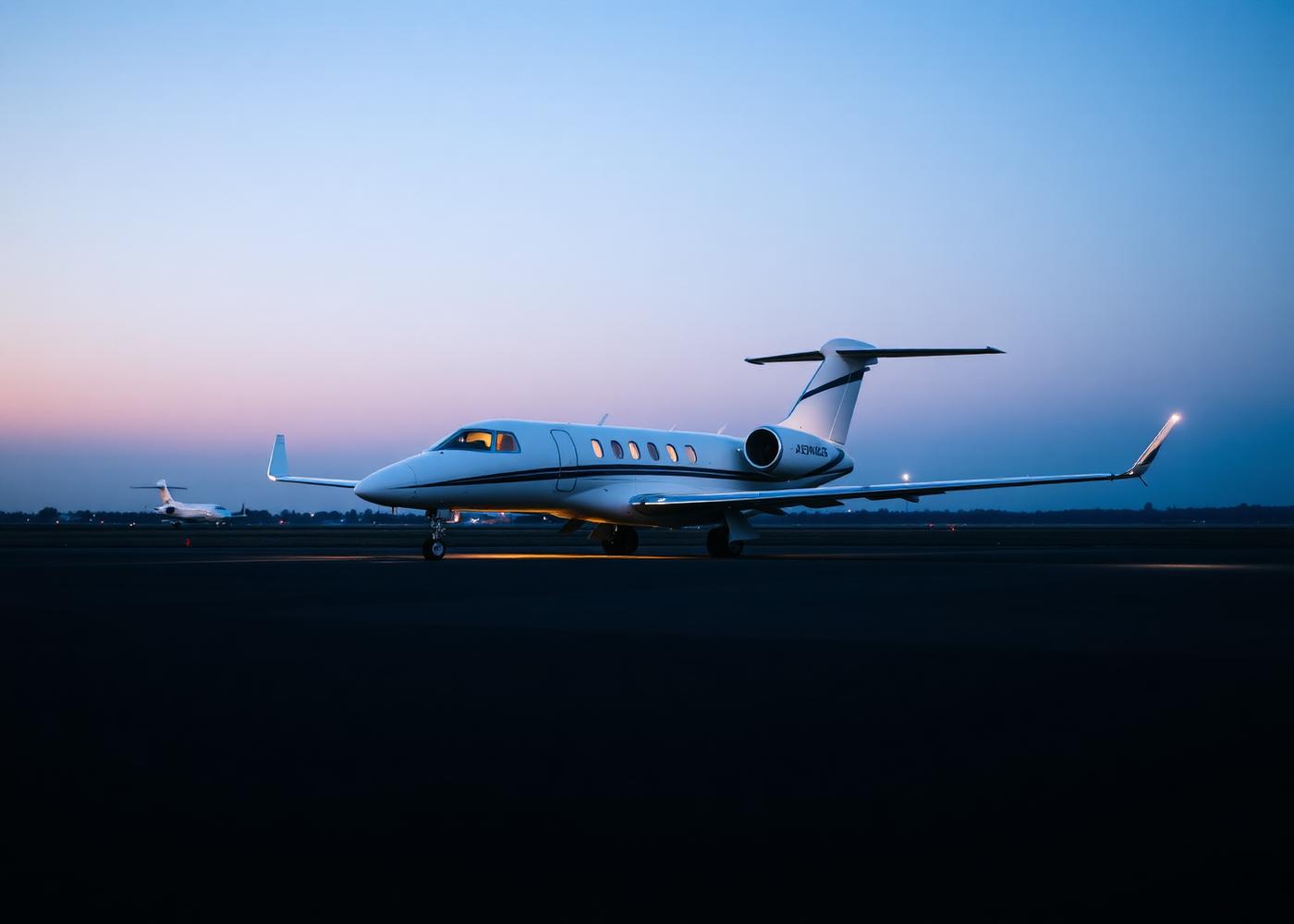
LIGHT JET
Cessna
The benchmark light jet for short European hops.
VIEW AIRCRAFT →LIGHT JET
Cessna
Light-jet economics, midsize cabin comfort.
VIEW AIRCRAFT →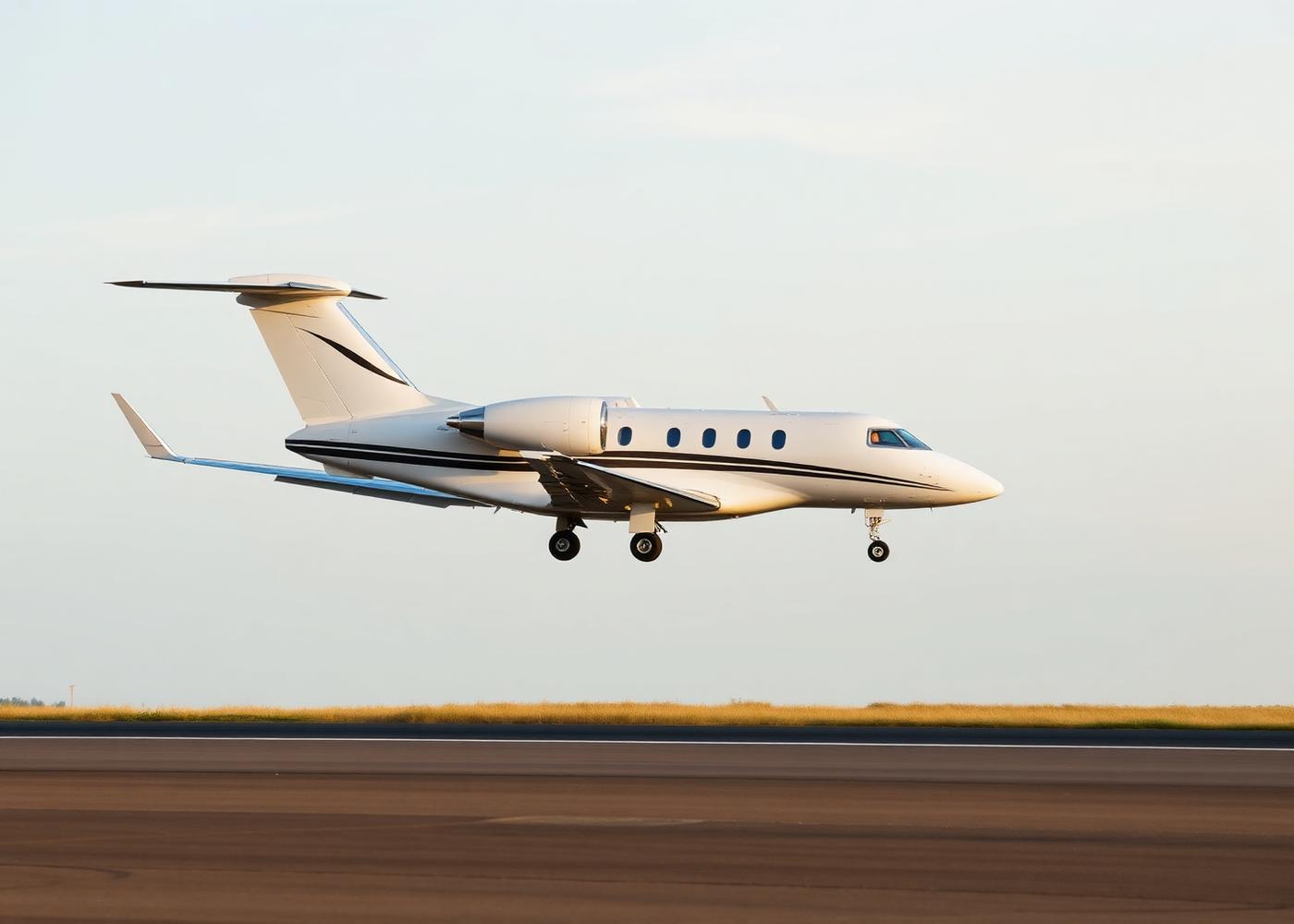
MIDSIZE JET
Hawker Beechcraft
The proven workhorse of midsize charter.
VIEW AIRCRAFT →MIDSIZE JET
Cessna
Six-foot flat-floor cabin at midsize prices.
VIEW AIRCRAFT →HELICOPTER CHARTER — RIYADH
Pair a jet arrival with a same-day helicopter transfer. These are the models our desk most often books on the Riyadh leg — specifications and live availability sit on the dedicated helicopter fleet page.
INTERMEDIATE HELICOPTER · 9 PAX
Airbus Helicopters
VIEW H145 →CHARTER GUIDES
PRICING & COST
12 min read
OPERATIONS & TRAVEL
12 min read
AIRCRAFT & FLEET
6 min read
OPERATIONS & TRAVEL
5 min read
LIFESTYLE & ETIQUETTE
5 min read
FAQ
A chauffeured transfer from King Khalid International to central Riyadh is about 45 minutes (35 km). Typical modes are chauffeured suv. Limitless Sky pre-positions ground transport so the car is waiting planeside.
Our concierge pre-arranges a chauffeured transfer to your address in Riyadh. Cars wait planeside at the FBO so guests step from cabin to car in under five minutes. Helicopter or yacht handoffs can be coordinated on request.
Riyadh is served by RUH, OERY. Choice depends on aircraft class, where you're staying, and slot availability. We pick the field that puts you closest to your hotel or yacht with the least ground time — see each airport guide for runway, customs and FBO detail.
Usually yes — many operators permit pets in the cabin, subject to aircraft-owner approval, destination rules, documentation and any operator-specific charges. Let us know the size and species when you request a quote and we will confirm per aircraft.
For most major airports we can have an aircraft positioned within 4 hours. Last-minute bookings are our specialty — we operate 24/7.
One-way prices estimated, confirmed quote within 1–2 hours: Riyadh → London from €45,500 (heavy / ultra long range); Riyadh → Dubai from €5,700 (midsize jet). Send your dates and passengers and you get an estimated price per aircraft class straight away, then two or three confirmed options with aircraft photos within 1–2 hours.
RELATED DESTINATIONS
EXPLORE THE CLUSTER
HUB GUIDES
BEST AIRCRAFT FOR RIYADH
EMPTY LEGS · TO RIYADH
Repositioning flights to Riyadh come up occasionally and rarely stay available for long. Set an alert and we will tell you if one matches.
EMPTY-LEG ALERTS
We scan operator inventory every 12 hours. The moment a leg matches your route, date window and budget, we email you with a direct booking link.
MALLORCA · GERMANY, NRW, FRANKFURT
SKI SEASON · ALPS
An estimated price per aircraft class straight away, then two or three confirmed options with aircraft photos within 1–2 hours. 24/7, worldwide.
REQUEST A QUOTEAIRPORT COMPARISON
RUH is the single realistic gateway for Riyadh charters.
RUH · PREMIER
RUH
RUH — primary jet gateway; 13,796 ft runway; 28 km transfer.
RECOMMENDED AIRCRAFT
Super Midsize Jet
POPULAR ROUTES
SEASONALITY
GROUND TRANSPORT
HELICOPTER
CUSTOMS
VISA
WEATHER
RECOMMENDED STAY
MEDICAL / MEDEVAC
DESTINATION PROFILE
luxury
65
business
65
family
30
ski
0
beach
0
golf
0
medical
40
heli
30
marina
0
NEARBY DESTINATIONS
AI CONCIERGE
Structured knowledge object with 1 airports, 5 corridor routes, 0 named event windows, 5 nearby destinations and a full scoring profile — designed to answer concierge-level questions in real time.
FAQ
RUH (RUH) is the primary gateway. There are no realistic alternatives on the ground.
Heavy Jet is the best fit for most missions; short-runway constraints may push smaller groups to a Light Jet.
Pricing scales with aircraft class and the departure city (for example RUH). Send your dates and passengers to see an estimated price per aircraft class straight away; two or three confirmed options with aircraft photos follow within 1–2 hours.
See the seasonality panel — demand is driven by corporate and event calendars.
Not standard for this destination; chauffeur car service is the primary transfer option.
AVIATION FACTS · AVI-GO 2025
Desk-verified market figures linked to this page — drawn from Avi-Go analytics reports and surfaced for charter planning context.
OERK (Riyadh) changed by -114 movements MoM in June 2026.
structured · confidence 94% · verified 2026-07-28
OERK (Riyadh) logged 873 movements in May 2026 (MoM baseline for June's 759).
structured · confidence 94% · verified 2026-07-28
OERK received 370 arrivals in June 2026 among analyzed Rest of World top-airport inbound flows.
structured · confidence 93% · verified 2026-07-28
OEDF ranked #2 origin into OERK in June 2026 with 18 flights (4.86% of that hub's analyzed arrivals).
structured · confidence 93% · verified 2026-07-28
OEGS ranked #3 origin into OERK in June 2026 with 16 flights (4.32% of that hub's analyzed arrivals).
structured · confidence 93% · verified 2026-07-28
Riyadh appeared in 10 Rest of World top-operator route lists in June 2026 (primary connections: Jeddah, Hawatih, Qassim, Medina).
structured · confidence 92% · verified 2026-07-28
Saudia Private Aviation's #3 route in Rest of World in June 2026 was Qassim ↔ Riyadh (8.6% of that operator's regional departures).
structured · confidence 92% · verified 2026-07-28
Alpha Star Aviation Services's #3 route in Rest of World in June 2026 was Medina ↔ Riyadh (5.08% of that operator's regional departures).
structured · confidence 92% · verified 2026-07-28
Saudia Private Aviation's #2 route in Rest of World in June 2026 was Hawatih ↔ Riyadh (9.65% of that operator's regional departures).
structured · confidence 92% · verified 2026-07-28
Alpha Star Aviation Services's #2 route in Rest of World in June 2026 was Al Ula ↔ Riyadh (5.08% of that operator's regional departures).
structured · confidence 92% · verified 2026-07-28
Alpha Star Aviation Services's #4 route in Rest of World in June 2026 was Hawatih ↔ Riyadh (3.55% of that operator's regional departures).
structured · confidence 92% · verified 2026-07-28
Alpha Star Aviation Services's #5 route in Rest of World in June 2026 was Qassim ↔ Riyadh (3.39% of that operator's regional departures).
structured · confidence 92% · verified 2026-07-28
KNOWLEDGE GRAPH
Airports serving this destination, routes clients fly here on, aircraft that operate them, and nearby destinations you can pair it with.