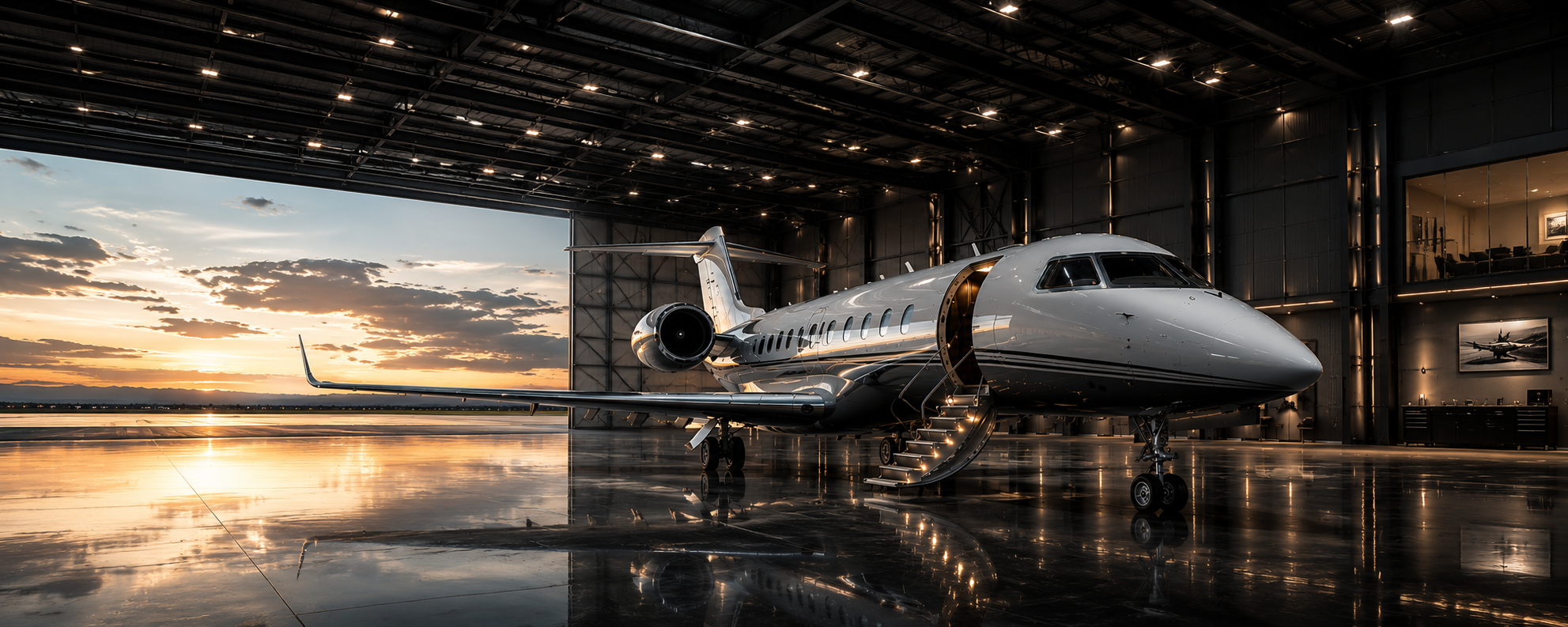
Imagine arriving at the airport just fifteen minutes before your flight, completely avoiding long airport security lines, and stepping directly onto a waiting aircraft. For modern executives and entrepreneurs, flying private jet is no longer just the ultimate luxury—it is a highly strategic productivity tool.
However, stepping into the world of private aviation can feel overwhelming. With so many private jets available, how do you know which one fits your specific business itinerary? Choosing the right private jet charter aircraft is about matching your travel distance, passenger count, and required amenities to the perfect machine. Let’s break down the differences between light, midsize, and heavy jets to help you make an informed decision for your next corporate trip.
The Core Advantages of Flying Private for Business
Before diving into aircraft sizes, it is important to understand why so many companies rely on a private plane charter. Commercial airlines dictate your schedule, but private aviation revolves entirely around you.
Enjoying flexible departure times for business travel means a delayed board meeting won't cause you to miss your flight. Furthermore, your journey begins at private facilities. You will utilize specialized fixed-base operator services (FBOs), which offer premium private aviation terminal amenities, including quiet conference rooms, high-speed Wi-Fi, and discreet lounges, ensuring you can work right up until takeoff.
Decoding Private Jet Categories: Which Size is Right for You?
Light Jets and Turboprops: The Regional Workhorses
If your business demands quick hops between regional cities—think Los Angeles to Las Vegas, or New York to Boston—a light jet is your best bet.
When comparing turboprops vs light jets, the decision usually comes down to runway length and speed. Turboprops (like the King Air 350) are incredibly fuel-efficient and can land on very short, remote runways. Light jets (like the Citation CJ3) offer a faster, smoother ride at higher altitudes.
Best for: 1 to 6 passengers on flights under 3 hours. Key Considerations:
- Cabin Space: You generally cannot stand up fully in a light jet.
- Luggage: You will need to be mindful of private aircraft baggage limits, as storage space is much more compact compared to larger models. Soft-sided luggage is highly recommended.
- Restrooms: Most feature a basic, enclosed lavatory, but they are relatively small.
Midsize Jets: The Cross-Country Sweet Spot
When business takes you from coast to coast, midsize jets step up to the plate. Aircraft like the Hawker 800XP or the Citation Excel offer significantly more cabin volume, allowing passengers to move around with ease.
Midsize jets are designed for productivity and comfort. You can easily conduct in-air meetings, and they typically feature enhanced Wi-Fi and entertainment systems. Furthermore, this category opens the door to impressive luxury in-flight catering options, allowing your team to enjoy hot, customized meals at 40,000 feet.
Best for: 5 to 9 passengers on flights up to 5 hours. Key Considerations:
- Comfort: Ample headroom, fully reclining club seating, and spacious lavatories.
- Range: Perfect for non-stop flights between major domestic hubs (e.g., Chicago to Los Angeles).
Heavy Jets: The Global Boardroom
For intercontinental travel, heavy jets (and ultra-long-range jets) like the Gulfstream G650 or Bombardier Global 6000 are the ultimate standard. These aircraft are essentially flying luxury apartments and boardrooms combined.
Heavy jets feature fully stand-up cabins, dedicated sleeping quarters, and a flight attendant to handle your needs. If you are flying globally, your charter company will assist with navigating international customs for non-commercial travelers. In many countries, customs officials will actually board the aircraft or meet you at the private FBO, ensuring a seamless entry process.
Best for: 10 to 16 passengers on intercontinental flights (8 to 12 hours). Key Considerations:
- Amenities: Full galleys, multiple cabin zones, and high-capacity baggage holds.
- Performance: Capable of crossing oceans effortlessly regardless of weather.
The Economics: Managing the Costs of Private Aviation
The cost of chartering a private plane varies wildly based on the aircraft size, flight duration, and repositioning fees. A light jet might cost $2,500 to $4,000 per flight hour, whereas a heavy jet can exceed $10,000 per hour.
If you are wondering what is the cheapest way to charter a plane, the answer lies in flexibility. Look for empty leg flight deals. These occur when a jet needs to fly empty to its next pickup location or return to its home base. Operators sell these "empty legs" at massive discounts—sometimes up to 75% off the standard charter price.
For executives flying 50 or more hours a year, it might be time to look beyond on-demand chartering. You will need to weigh fractional ownership vs jet cards.
- Jet Cards: You pre-purchase a block of hours (usually 25 to 50) at a fixed hourly rate. It offers guaranteed availability without asset risk.
- Fractional Ownership: You buy a share of a specific aircraft. This requires a large upfront capital investment and monthly management fees, but drastically lowers the direct hourly flying cost.
Practical Tips for Your Next Flight
If you are new to the industry, knowing exactly how to book a private flight can save you time and headaches. Here are a few actionable tips:
- Prioritize Safety First: Never compromise on safety. Always ask your broker about executive jet safety standards. Ensure the operator and aircraft are audited by recognized third-party safety organizations like ARGUS or Wyvern.
- Bring the Whole Family (Including Pups): One of the greatest perks of private aviation is the lenient pet-friendly air travel policies. Unlike commercial flights where pets must ride in the stressful cargo hold, your dog or cat can sit right beside you in the cabin. Just let your broker know in advance.
- Use a Reputable Broker: A good charter broker acts as your personal aviation consultant. They have access to thousands of aircraft globally and will negotiate the best rates, handle catering, arrange ground transportation, and double-check all safety records on your behalf.
Conclusion
Choosing the right private jet requires a balance of distance, passenger count, and budget. Light jets provide unbeatable agility for quick regional hops; midsize jets offer the perfect blend of comfort and cross-country range; and heavy jets deliver uncompromising luxury for global business. By understanding your specific travel needs and exploring the various charter options available, you can transform your business travel from a stressful chore into your ultimate competitive advantage.