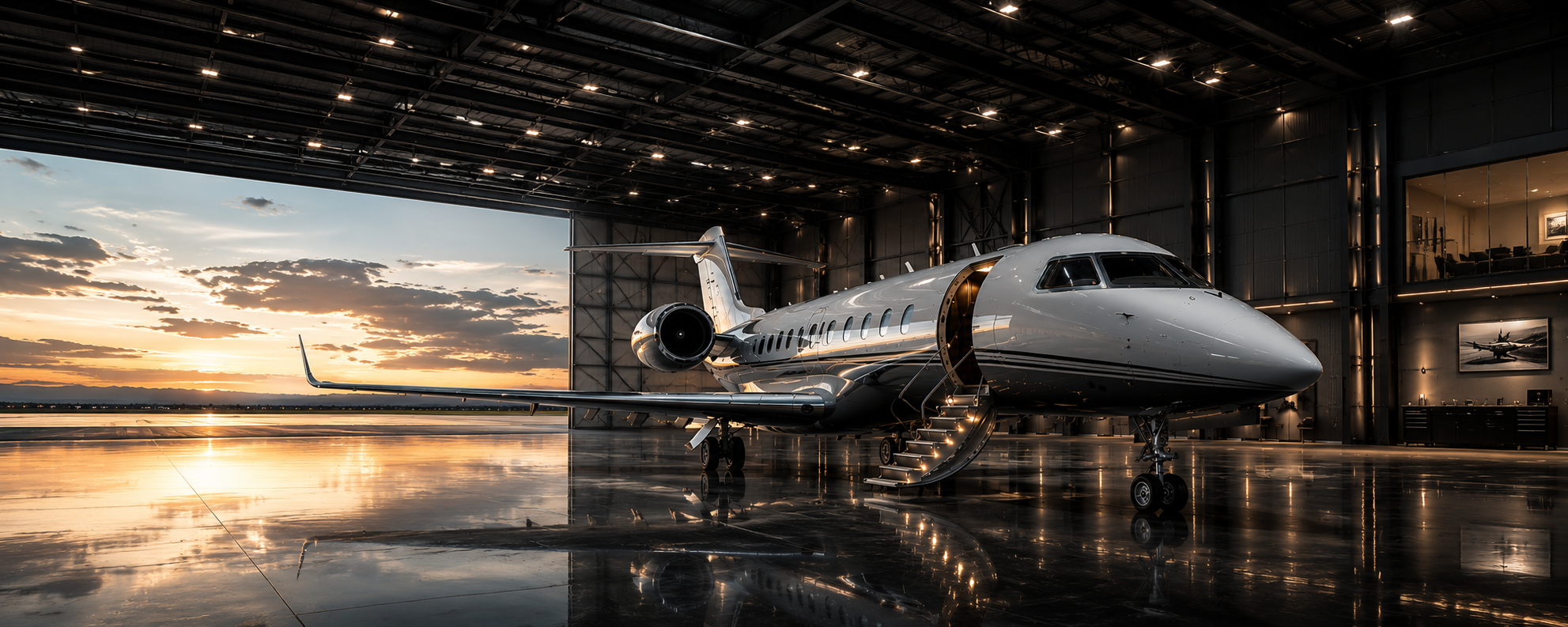
Stepping onto the tarmac, bypassing the chaotic crowds, and settling into a quiet, plush cabin is the ultimate travel dream. The appeal of flying private jet services has never been higher, offering unmatched convenience, privacy, and speed. However, while the sparkling champagne and plush leather seats get all the attention, your top priority should always be safety and security.
If you are preparing to fly private for the first time, or even if you are a seasoned flyer looking to optimize your travel, knowing what goes on behind the scenes is crucial. From vetting operators to understanding terminal security, here is your comprehensive guide to private aviation safety.
The Core of Safety: Vetting Private Jet Charter Companies
When you book a commercial ticket, you trust that the airline meets strict regulatory standards. The private air charter industry is also heavily regulated, but safety standards can vary significantly between operators.
Not all private jet charter companies are created equal. Before you hand over your itinerary, you need to verify the operator’s safety credentials.
- Third-Party Audits: Always ask if the operator holds safety ratings from independent auditors like ARGUS (Aviation Research Group United States), Wyvern, or IS-BAO. An ARGUS Platinum or Wyvern Wingman rating means the company has passed rigorous, voluntary safety inspections that go far beyond minimum government requirements.
- Pilot Experience: Ask about the flight crew. Reputable operators require their captains to have thousands of hours of flight time, specifically in the exact aircraft model you will be flying.
- Maintenance Transparency: A safe operator will be fully transparent about their aircraft maintenance schedules and safety records.
Aircraft Selection: Matching the Jet to Your Journey
When figuring out how to book a private flight, choosing the right aircraft isn't just about passenger capacity; it is a critical safety decision. The distance of your trip, the weather conditions, and the runway length at your destination all dictate the safest aircraft choice.
Understanding the difference of mid size vs heavy jets is essential here. Mid-size jets are excellent for domestic cross-country flights, offering a great balance of comfort and agility. However, if you are flying transoceanic routes or into areas with turbulent weather patterns, heavy jets offer greater range, higher cruising altitudes to fly over bad weather, and enhanced structural stability.
Even if you are looking to save money by booking discounted empty leg flights (flights where the aircraft is repositioning without passengers), the same strict safety and suitability standards must apply. Never compromise on the right aircraft for your route just to secure a deal.
The Ground Experience: Privacy, Security, and Efficiency
One of the most profound differences when comparing private aviation vs commercial airlines is the on-the-ground security protocol. Commercial airports are highly public, exposing travelers to large crowds, long lines, and public scrutiny. Private aviation flips this model entirely.
Fixed Base Operators (FBOs) and Private Terminals
Instead of a sprawling public concourse, private flyers use fixed base operator services (FBOs). An FBO is a specialized terminal dedicated exclusively to private aircraft and their passengers.
The private terminal boarding process is discreet and highly secure. You can often drive your car directly up to the aircraft on the tarmac. Your ID and travel documents are checked personally by your pilots or dedicated FBO staff, ensuring strict access control without the invasive, time-consuming queues of commercial security.
Baggage Security and Weight Calculations
While there are far fewer private jet luggage restrictions—meaning you don't have to worry about the standard 50-pound commercial limit or liquid bans—safety still reigns supreme. Your flight crew will carefully calculate the weight and balance of your luggage. Heavy items like golf clubs or ski gear are factored into the aircraft’s load sheet to ensure the jet's center of gravity is perfectly balanced for a safe takeoff and landing.
Time is Money
Because the security and boarding protocols are so efficient, executives experience massive corporate travel time savings. You can arrive at the FBO just 15 minutes before your scheduled departure, completely eliminating the hours usually wasted in commercial airport terminals.
Navigating Costs and Safe Booking Models
Transparency in billing is a good indicator of an operator's reliability. While private jet charter costs fluctuate based on aircraft size, distance, and repositioning fees, how you choose to book your flights can add an extra layer of financial and operational security.
Here is a quick breakdown of common booking models:
- On-Demand Charter: Booking flight-by-flight through a broker or operator. Always ensure your broker is using audited aircraft.
- Jet Cards: What is a jet card? It is a program where you pre-purchase a block of flight hours (usually 25 hours or more) at fixed hourly rates. Reputable jet card providers guarantee specific safety standards for every flight.
- Memberships: Private jet membership programs operate similarly to a country club. You pay an annual fee for access to a closed fleet of vetted aircraft, often securing better hourly rates and guaranteed availability.
- Fractional Ownership: Having fractional aircraft ownership explained is simple: you purchase a share (e.g., 1/16th or 1/8th) of a specific aircraft. This model is managed by massive, highly regulated aviation companies, offering the utmost consistency in pilot training, maintenance, and safety.
Safety Beyond the Flight: Comfort, Companions, and the Environment
Security isn't just about mechanics and audits; it is also about the well-being of you, your companions, and the planet.
Traveling with Pets
For many flyers, pets are family. Unlike commercial airlines where pets are often relegated to a dark, temperature-fluctuating cargo hold, pet friendly private travel allows your furry companions to stay in the cabin with you. This drastically reduces the physical and emotional stress on your pet, ensuring their safety throughout the journey.
In-Flight Amenities and Cybersecurity
The luxury amenities on business jets go far beyond catered meals. Ergonomic lie-flat beds ensure you arrive physically rested. Furthermore, modern business jets are equipped with encrypted, high-speed Wi-Fi, providing cybersecurity for executives who need to conduct sensitive business negotiations at 40,000 feet.
Environmental Security
The aviation industry is actively addressing its environmental impact. Many top-tier FBOs and charter operators now offer sustainable aviation fuel options (SAF). SAF is produced from renewable resources and can reduce greenhouse gas emissions by up to 80% compared to traditional jet fuel, all without compromising the aircraft’s safety or engine performance.
Final Takeaway
The luxury of private aviation is undeniable, but the true value lies in the safety, security, and peace of mind it provides. By understanding operator audits, choosing the right aircraft, and utilizing secure FBO facilities, you can ensure that every journey is as safe as it is spectacular. The next time you book a flight, look past the luxurious cabin and verify the safety credentials—because true luxury means never having to worry about your security.