Hong Kong International
HKGHong Kong Business Aviation Centre (HKBAC).
- TRANSFER
- 35 min · 35 km
- TO
- Central Hong Kong
- MODES
- Chauffeured sedan · Helicopter to Central
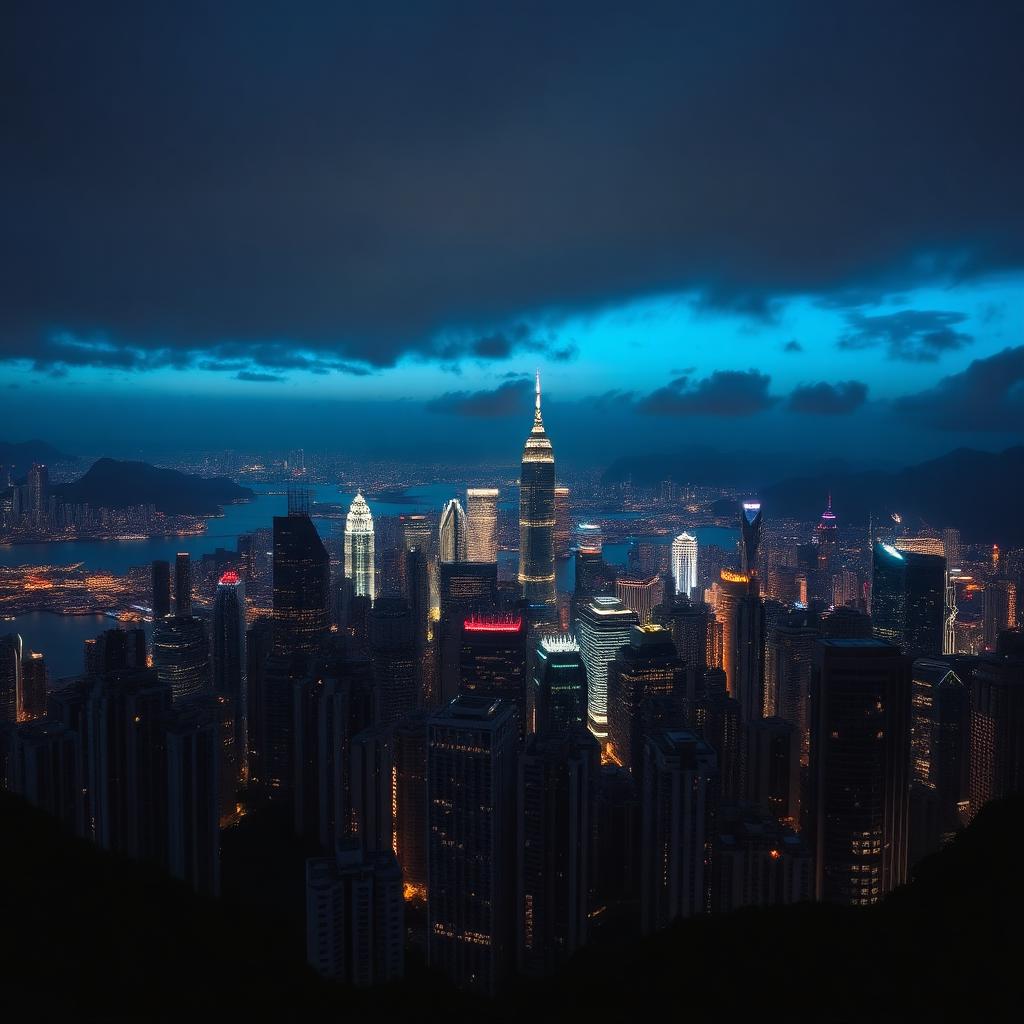
Distance, simplified.
Hong Kong's Business Aviation Centre at HKG (operated by Sino Jet & Metrojet) is the region's reference executive terminal. Slot pressure is high; book at least 48h ahead for arrivals.
See full private jet charter pricing.
BEST TIME TO CHARTER
November to March is peak across South-East Asia; Japan and Hong Kong run year-round on business demand.
AIRPORTS, FBOs & TRANSFERS
Each option below shows the executive airport, drive time to Hong Kong, and typical ground options. Tap an airport for the full guide — runways, FBOs, customs, slot rules and arrival workflow.
Hong Kong Business Aviation Centre (HKBAC).
New to private terminals? What is an FBO? · Private jet charter cost guide — FBO choice and charter pricing for Hong Kong
POPULAR ROUTES
| ROUTE | FLIGHT TIME | TYPICAL AIRCRAFT | FROM |
|---|---|---|---|
| Hong Kong → Tokyo | 4h 00m | Midsize Jet | from €13,000 |
| Hong Kong → Singapore | 3h 30m | Midsize Jet | from €11,200 |
| Hong Kong → London | 12h 30m | Ultra Long Range | from €88,300 |
One-way prices for the aircraft class listed are estimated, confirmed quote within 1–2 hours. You get an estimate per aircraft class straight away, then two or three confirmed options with aircraft photos.
COSTS TO EXPECT
ENTRY POINT
from €13,000
Lowest estimated one-way price across the routes above — estimated, confirmed quote within 1–2 hours.
TYPICAL AIRCRAFT
Midsize Jet · Ultra Long Range
Cabin selected against range, runway and party size. We confirm the exact tail before contracting.
WHAT'S INCLUDED
All-inclusive quote
Crew, fuel, handling, landing and de-icing fees, standard catering and FBO access. Peak-period positioning and overnight crew may apply on one-ways — flagged upfront.
Charter pricing is route- and date-sensitive. For a binding number, share dates, pax and luggage in the quote form.
CHARTER BUYER'S GUIDE
Hong Kong remains the primary hub for business aviation in the Asia-Pacific region, serving as a critical entry point for the Greater Bay Area and a financial link between China and the global markets. For the private jet charter buyer, Hong Kong presents a unique operational landscape. Unlike European or North American hubs with multiple satellite airports, Hong Kong's private aviation traffic is consolidated into a single, high-efficiency facility at Chek Lap Kok. The demographic here is predominantly corporate, with a significant increase in family office and leisure travel during regional holidays. This is a high-volume, high-density environment where precision in scheduling is paramount.
Flying into Hong Kong via private jet is less about the avoidance of lines—though the efficiency gains are considerable—and more about the control over the schedule and the ability to maintain privacy and security. The clientele typically includes senior executives, government delegations, and ultra-high-net-worth individuals who require seamless transitions between their aircraft and the central business districts of Central, Admiralty, and Kowloon. Despite the growth of nearby airports like Shenzhen (SZX) or Macau (MFM), Hong Kong International (HKG) remains the preferred choice due to its superior ground handling infrastructure and direct proximity to the world's most concentrated financial district.
Seasonality in Hong Kong is driven more by business cycles and slot availability than purely by weather, although the climate plays a role in operational reliability. The peak periods for charter demand are around the Lunar New Year (variable dates in January or February) and the Art Basel festival in March. During these times, ramp space and landing slots become highly contested, often requiring bookings many weeks in advance to secure preferred timings.
Climatologically, the best window to visit is between October and December. The weather is dry, temperate, and generally clear, which minimises the risk of flight delays due to the thunderstorms common in the summer months. The typhoon season, typically from June to September, introduces significant potential for disruption. Under Signal 8 or higher warnings, the airport may cease operations, and aircraft are often repositioned out of the path of the storm to avoid ground damage. If you are scheduling travel during this period, it is essential to monitor weather reports 48 to 72 hours out and have a contingency plan for a deferred arrival or a diversion to a secondary hub in the region.
Slot pressure is a constant reality at HKG. While the completion of the three-runway system (3RS) aims to alleviate some of this, private aviation (General Aviation) is often prioritised lower than scheduled commercial services. Therefore, 'shoulder' periods—mid-week arrivals outside of early morning and late evening commercial peaks—are technically easier to secure and provide more flexibility for last-minute modifications to the flight plan.
Hong Kong International Airport (HKG) is the sole gateway for private aviation. The facility is one of the busiest in the world, operating 24 hours a day, although night-time operations for General Aviation are subject to strict noise abatement procedures and specific slot allocations.
Hong Kong Business Aviation Centre (HKBAC) This is the dedicated FBO and executive terminal for all non-scheduled flights. Operated with high efficiency, it handles everything from CIQ (Customs, Immigration, and Quarantine) to ground support. The terminal is located at the southern perimeter of the airport, separate from the primary commercial terminals. It features private lounges, a business centre, and efficient crew facilities. Customs and immigration are usually cleared within 10 to 15 minutes of disembarkation.
Runway data at HKG is robust, with lengths exceeding 3,800 metres (approximately 12,467 feet), capable of accommodating any civilian aircraft, from light jets to converted Boeing 747s or Airbus A380s. However, parking is the primary constraint. Short-term parking (drop-and-go) is standard, but overnight or long-term parking often requires pre-approval and is subject to availability. If parking is unavailable, your aircraft may need to ‘position out’ to a nearby airport like Clark in the Philippines, Macau, or even back to a home base in Mainland China, which will incur additional positioning costs on your charter invoice.
Macau International (MFM) - Primary Alternate In cases where HKG is fully booked for slots or parking, Macau is the secondary option. It is approximately 40 nautical miles away. Transfers to Hong Kong can be achieved via a 15-minute helicopter flight or a one-hour ferry/bridge transfer. Macau is often more lenient with parking durations but lacks the direct convenience of arriving on the island itself.
When choosing an aircraft for Hong Kong, the mission requirements usually fall into three categories: regional business hops, transcontinental long-haul, and domestic Greater Bay Area shuttles.
Midsize Jets For regional routes such as Hong Kong to Tokyo (4h 00m) or Hong Kong to Singapore (3h 30m), Midsize jets like the Gulfstream G150 or the Citation XLS+ are common. These aircraft provide a stand-up cabin and sufficient range for 4 to 7 passengers. For those seeking more modern amenities, the Praetor 600 or the Challenger 350 are highly recommended for their superior cabin pressure and luggage capacity, making them ideal for the four-hour flight path across the South China Sea.
Heavy Jets The Falcon 2000 or the Legacy 650 are workhorses for regional Asian travel. These are preferred for larger groups or when more substantial hold space is required for corporate exhibits or heavy luggage. The Falcon 2000 is particularly noted for its performance on shorter runways, which is useful if your itinerary involves secondary airports in the region following your stop in Hong Kong.
Ultra-Long-Range (ULR) Jets For missions like Hong Kong to London (12h 30m) or direct flights to Los Angeles, ULR aircraft are the standard. The Bombardier Global 6000 and Global 7500, or the Gulfstream G650ER, represent the pinnacle of this class. The Global 7500, with its four distinct living spaces and dedicated crew rest area, is the industry benchmark for the 12-hour-plus sectors. These aircraft are capable of flying well above commercial traffic (up to 51,000 feet), providing a smoother ride and more direct routing. Their advanced air filtration systems and low cabin altitudes are essential for arriving in Hong Kong refreshed after a long-haul crossing.
Charter pricing in Asia is subject to market volatility based on fleet availability and repositioning requirements. Unlike Europe, the private jet market here is less dense, meaning positioning costs can make up a larger portion of the quote if an aircraft is not already based at HKG.
Buyers should be aware that 'deadhead' or positioning fees are common in the Asian market. If you book an aircraft based in Singapore for a Hong Kong departure, you will pay for that ferry flight. To avoid this, always look for locally managed or based aircraft. Peak-season surcharges of 10-20% are standard during the Lunar New Year.
The arrival process at HKBAC is streamlined. Upon landing, the aircraft taxis to the HKBAC ramp, which is typically a short distance from the terminal. Passengers are met by the FBO staff and escorted into the terminal for customs and immigration.
Ground Transfers The transfer from the airport to Central Hong Kong takes approximately 30 to 45 minutes by chauffeured car via the North Lantau Highway and Western Harbour Crossing. For those looking to bypass traffic, a helicopter transfer from the airport to the Peninsula Hotel helipad or the Shun Tak Centre (near Central) takes roughly 15 minutes. This must be booked in advance and is subject to weather and weight restrictions.
Luggage and Customs Customs in Hong Kong are generally efficient. However, strict regulations apply to specific items, including tobacco, alcohol, and certain food products. Cash declarations for amounts over HKD 120,000 are mandatory. For pet travel, Hong Kong is one of the more restrictive jurisdictions. Bringing a pet via private jet requires significant lead time for import permits and, depending on the country of origin, may require a mandatory quarantine period at a government facility. HKBAC can facilitate pet arrivals, but documentation must be flawless.
Hong Kong is a city of distinct verticality and concentrated luxury. For those on a business itinerary, the focus is almost exclusively on Central and Admiralty. This district houses the International Finance Centre (IFC) and the Landmark, where much of the city's corporate power is concentrated. The dining scene here is led by some of the most lauded Michelin-starred establishments in the world, such as Lung King Heen or Amber, which are suitable for high-level corporate hosting.
For residential or extended stays, the Peak offers the most exclusive enclaves, providing higher altitudes and lower humidity than the harbor-level districts. On the Kowloon side, Tsim Sha Tsui remains the primary destination for traditional high-end hospitality, with a stronger focus on heritage and panoramic views of the skyline.
Logistically, if your meetings are on the island, stay on the island. While the cross-harbour tunnels are efficient, they are prone to significant congestion during peak hours. Walking through the extensive elevated walkway systems in Central is often faster than taking a car for short distances between the major towers. For recreation, the south side of Hong Kong Island—specifically Repulse Bay and Shek O—offers a more relaxed coastal atmosphere, while the Royal Hong Kong Yacht Club provides a central hub for those with maritime interests in the region.
Late Slot Applications: The most frequent error is underestimating the rigidity of the Hong Kong slot system. Unlike smaller regional airports, you cannot simply 'show up' at HKG. Slots are often allocated in narrow windows. If you miss your slot, the aircraft may have to wait on the ground for several hours for a new opening, or in some cases, the flight may be cancelled for that day. Provide your flight department with a minimum of 48 to 72 hours' notice.
Parking Oversights: Assuming that your jet can stay at HKG for the duration of your trip is a mistake. During high-demand periods, the airport often enforces 'drop-and-go' only. Always ask your broker for a confirmed parking plan. If the jet needs to position out, you will be liable for the takeoff and landing fees of that additional cycle.
Ignoring Regional Holidays: Attempting to book a jet for the start of the Lunar New Year just a week prior is almost impossible. The entire Asian fleet is often booked months in advance, and prices for any remaining aircraft can double. Planning for this period should begin in November or December.
Miscalculating the GBA Infrastructure: Many travellers flying to Shenzhen or Guangzhou for business still choose to land in Hong Kong and take a car or ferry across the border. While this is sometimes more comfortable, the border crossing can take an additional 1-2 hours depending on the time of day. Check whether a direct flight to Shenzhen (SZX) or Guangzhou (CAN) would be more operationally efficient, provided the aircraft has the necessary permits to fly into Mainland China.
For a standard mission during the business year, a lead time of 72 hours is usually sufficient to secure the aircraft, crew, and slots. However, for same-day departures, the feasibility is limited by the speed of slot approval and the positioning of the aircraft; it is rarely possible in under 4 hours in the Asian market.
For peak season (Art Basel, Lunar New Year, Golden Week), a 4 to 6-week booking window is advised. Empty legs do exist, particularly on the busy Hong Kong–Beijing and Hong Kong–Singapore routes, but they are often filled quickly. To receive an accurate quote, clients should provide the exact passenger count (for weight and balance) and the approximate luggage dimensions, as many Asian routes involve golf bags or substantial business equipment that may require a larger hold than a standard Light or Midsize jet provides. Professional charter brokers will always require the passport copies of all passengers at the time of booking to clear the manifest with Hong Kong authorities well before arrival.
ON THE GROUND
Located on the Tsim Sha Tsui waterfront, this hotel offers a modern, ultra-luxury aesthetic with vertical estate living. It provides panoramic views of Victoria Harbour and is the preferred choice for those seeking contemporary design and extensive wellness facilities immediately after a long-haul arrival.
Widely known as the 'Grande Dame of the Far East', this Tsim Sha Tsui landmark combines colonial heritage with high-tech room controls. Its most significant advantage for private flyers is the rooftop helipad, allowing direct transfers from the Business Aviation Centre to the hotel in minutes.
A corporate institution in the heart of Central, the Mandarin Oriental is ideal for those with back-to-back meetings in the financial district. It offers a more discreet, understated luxury and houses legendary bars and restaurants that are central to Hong Kong’s business social scene.
Situated within the IFC complex, this hotel offers unrivalled convenience for the finance executive. With one of the world's highest concentrations of Michelin stars under one roof and direct air-conditioned access to the major office towers, it is the most functionally efficient stay in the city.
AIRCRAFT
4–6 passengers, up to 3h
Citation CJ3, Phenom 300 — ideal for short European hops with quick turnarounds.
7–9 passengers, up to 5h
Citation XLS+, Hawker 900XP — stand-up cabin, full galley, transcontinental Europe.
10–14 passengers, 6h+
Challenger 605, Gulfstream G450, Falcon 7X — intercontinental with bedroom-class comfort.
FLEET FOR HONG KONG
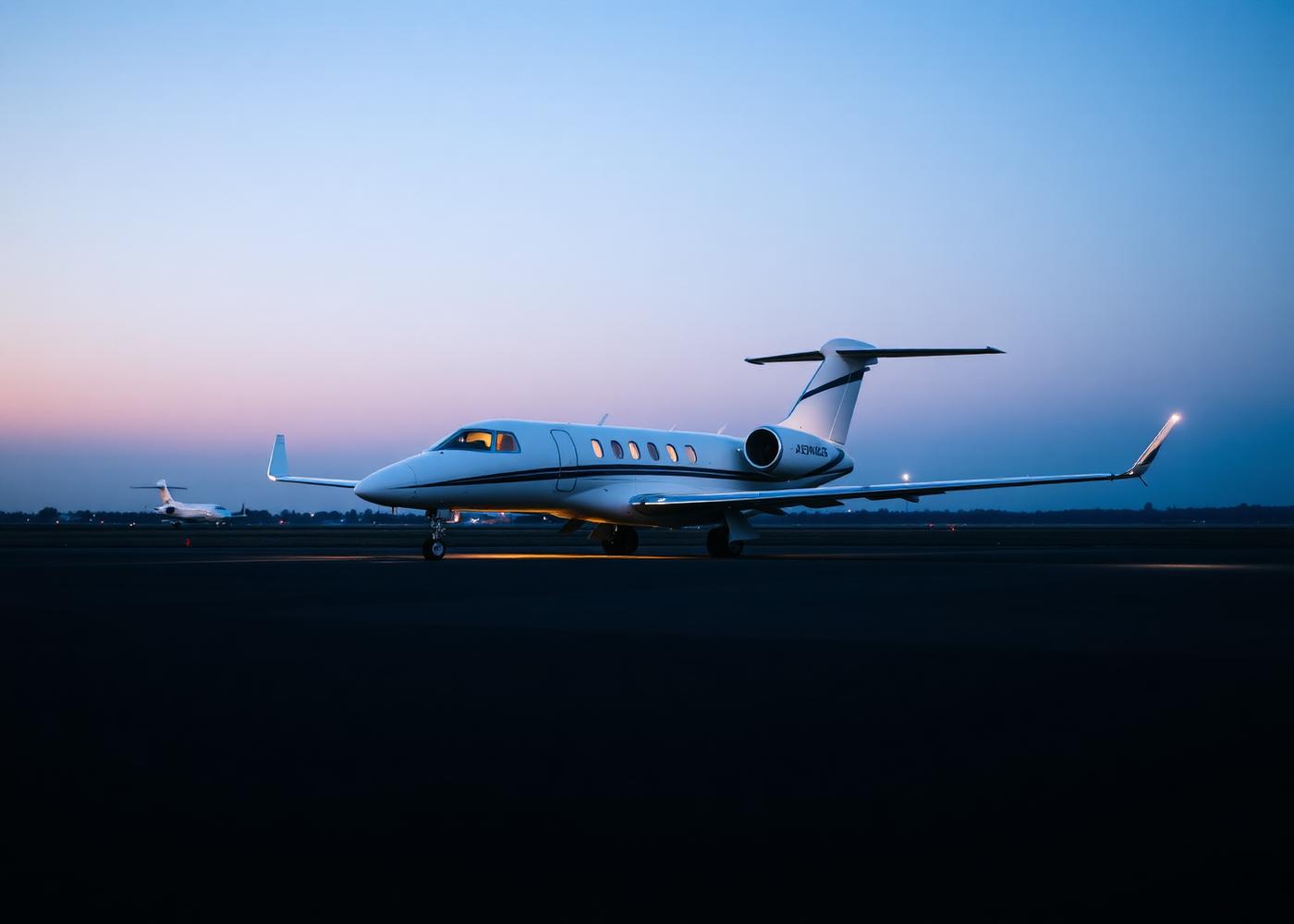
LIGHT JET
Cessna
The benchmark light jet for short European hops.
VIEW AIRCRAFT →LIGHT JET
Cessna
Light-jet economics, midsize cabin comfort.
VIEW AIRCRAFT →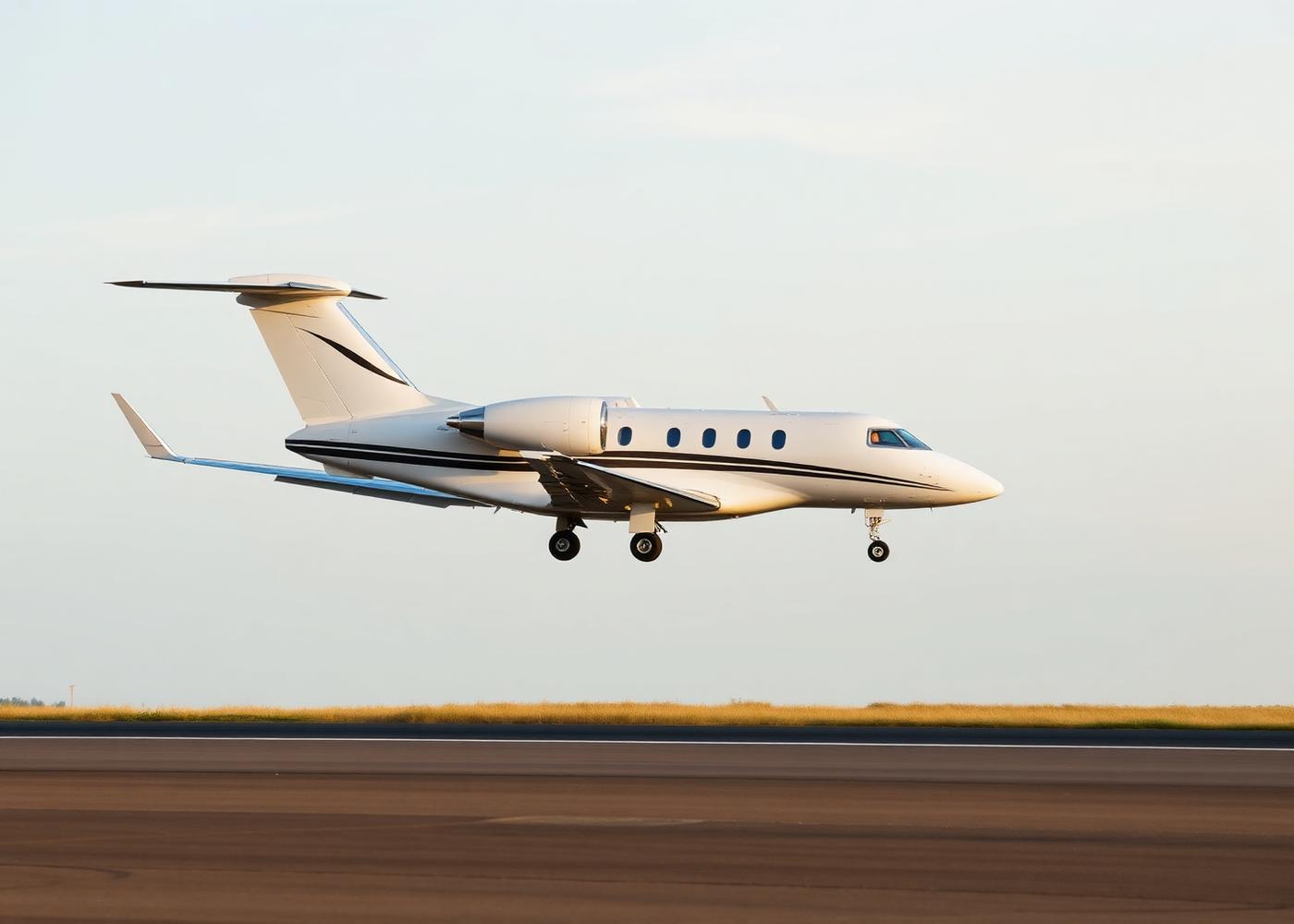
MIDSIZE JET
Hawker Beechcraft
The proven workhorse of midsize charter.
VIEW AIRCRAFT →MIDSIZE JET
Cessna
Six-foot flat-floor cabin at midsize prices.
VIEW AIRCRAFT →HELICOPTER CHARTER — HONG KONG
Pair a jet arrival with a same-day helicopter transfer. These are the models our desk most often books on the Hong Kong leg — specifications and live availability sit on the dedicated helicopter fleet page.
MEDIUM HELICOPTER · 12 PAX
Sikorsky
VIEW SIKORSKY S-76D →CHARTER GUIDES
PRICING & COST
12 min read
OPERATIONS & TRAVEL
12 min read
AIRCRAFT & FLEET
6 min read
AIRCRAFT & FLEET
5 min read
OPERATIONS & TRAVEL
5 min read
FAQ
A chauffeured transfer from Hong Kong International to Central Hong Kong is about 35 minutes (35 km). Typical modes are chauffeured sedan, helicopter to central. Limitless Sky pre-positions ground transport so the car is waiting planeside.
Hong Kong International (HKG) is the only option. The Hong Kong Business Aviation Centre (HKBAC), operated by Sino Jet and Metrojet, is the dedicated executive terminal with 24-hour customs, immigration and its own FBO complex separated from the commercial terminal.
Slot pressure is high and prior-permission is enforced — a minimum 48-hour PPR is standard, and overnight parking at HKBAC is capped. Around major fairs (Art Basel Hong Kong in March, Rugby Sevens in April) 5–10 day lead times are realistic.
Hong Kong ↔ London (12h 30m, ultra-long-range), Hong Kong ↔ New York (15h 30m, ULR with tech stop in Anchorage or nonstop on G700/Global 7500), Hong Kong ↔ Dubai (7h 45m, heavy) and Hong Kong ↔ Tokyo (4h 00m, midsize) are the standard patterns.
Yes — Sky Shuttle operates a 12-minute helicopter service from HKG to the Peninsula rooftop helipad and Shun Tak Centre. The alternative is a 35-minute chauffeur transfer via the Western Harbour Crossing, longer in peak traffic.
Marginally — Aberdeen Marina Club and Gold Coast Yacht Club host resident tenders, but Hong Kong is primarily a business hub. Yacht itineraries in the region typically stage from Sanya (Hainan) or the Philippines, with the jet leg into HKG serving guest changeovers.
Usually yes — many operators permit pets in the cabin, subject to aircraft-owner approval, destination rules, documentation and any operator-specific charges. Let us know the size and species when you request a quote and we will confirm per aircraft.
For most major airports we can have an aircraft positioned within 4 hours. Last-minute bookings are our specialty — we operate 24/7.
One-way prices estimated, confirmed quote within 1–2 hours: Hong Kong → Tokyo from €13,000 (midsize jet); Hong Kong → Singapore from €11,200 (midsize jet); Hong Kong → London from €88,300 (ultra long range). Send your dates and passengers and you get an estimated price per aircraft class straight away, then two or three confirmed options with aircraft photos within 1–2 hours.
RELATED DESTINATIONS
EXPLORE THE CLUSTER
HUB GUIDES
BEST AIRCRAFT FOR HONG KONG
EMPTY LEGS · TO HONG KONG
Repositioning flights to Hong Kong come up occasionally and rarely stay available for long. Set an alert and we will tell you if one matches.
EMPTY-LEG ALERTS
We scan operator inventory every 12 hours. The moment a leg matches your route, date window and budget, we email you with a direct booking link.
MALLORCA · GERMANY, NRW, FRANKFURT
SKI SEASON · ALPS
An estimated price per aircraft class straight away, then two or three confirmed options with aircraft photos within 1–2 hours. 24/7, worldwide.
REQUEST A QUOTEAIRPORT COMPARISON
HKG is the single realistic gateway for Hong Kong charters.
HKG · PREMIER
HKG
HKG — primary jet gateway; 12,467 ft runway; 26 km transfer.
RECOMMENDED AIRCRAFT
Super Midsize Jet
Heavy Jet
Ultra Long Range
POPULAR ROUTES
SEASONALITY
GROUND TRANSPORT
HELICOPTER
CUSTOMS
VISA
WEATHER
RECOMMENDED STAY
MEDICAL / MEDEVAC
DESTINATION PROFILE
luxury
40
business
85
family
30
ski
0
beach
0
golf
0
medical
40
heli
30
marina
0
NEARBY DESTINATIONS
AI CONCIERGE
Structured knowledge object with 1 airports, 6 corridor routes, 0 named event windows, 5 nearby destinations and a full scoring profile — designed to answer concierge-level questions in real time.
FAQ
HKG (HKG) is the primary gateway. There are no realistic alternatives on the ground.
Light Jet is the best fit for most missions; short-runway constraints may push smaller groups to a Light Jet.
Pricing scales with aircraft class and the departure city (for example HKG). Send your dates and passengers to see an estimated price per aircraft class straight away; two or three confirmed options with aircraft photos follow within 1–2 hours.
See the seasonality panel — demand is driven by corporate and event calendars.
Not standard for this destination; chauffeur car service is the primary transfer option.
CONTINUE YOUR JOURNEY AT SEA
Our sister platform, Blue Ocean Club, curates crewed yachts across Southeast Asia. When the live yacht feed is connected, availability and pricing will appear here.
Data source status: connecting to Blue Ocean Club…
AVIATION FACTS · AVI-GO 2025
Desk-verified market figures linked to this page — drawn from Avi-Go analytics reports and surfaced for charter planning context.
Hong Kong–Tokyo ranked #10 Asia Pacific city-pair corridor Jan–Aug 2025 with 282 bidirectional movements (-9.6% YoY vs 312).
structured · confidence 95% · verified 2026-07-28
Hong Kong–Shanghai ranked #5 Asia Pacific city-pair corridor Jan–Aug 2025 with 354 bidirectional movements (+8.6% YoY vs 326).
structured · confidence 95% · verified 2026-07-28
Hong Kong (VHHH) ranked #2 in Asia Pacific hub connectivity Jan–Aug 2025 with 220 connected cities.
structured · confidence 95% · verified 2026-07-28
Hong Kong (VHHH) ranked #3 Asia Pacific business aviation airport Jan–Aug 2025 with 4,367 movements (3.91% share) and 497 unique aircraft.
structured · confidence 95% · verified 2026-07-28
On Hong Kong–Tokyo (282 flights) Jan–Aug 2025, Gulfstream G650ER led at 21.28%, followed by Global 6000 14.89% and Global 7500 14.18%.
structured · confidence 94% · verified 2026-07-28
Hong Kong–Singapore (354 flights) concentrated in ULR Jan–Aug 2025: Global 6000 17.51%, G650ER 16.95%, G550 9.89%.
structured · confidence 94% · verified 2026-07-28
Hong Kong ranked #4 Asia Pacific business aviation destination city Jan–Aug 2025 — top origin Shanghai at 8.31% of arrivals.
structured · confidence 94% · verified 2026-07-28
VHHH (Hong Kong) connected 119 unique origin cities in June 2026 (#8 Rest of World).
structured · confidence 93% · verified 2026-07-28
VHHH (Hong Kong) saw 175 unique aircraft in June 2026 (#8 Rest of World city-coverage table).
structured · confidence 93% · verified 2026-07-28
VHHH (Hong Kong) ranked #8 Rest of World by unique origin-city coverage in June 2026 — 119 cities / 175 aircraft.
structured · confidence 93% · verified 2026-07-28
Greater China Gateways (VHHH, ZBAA, ZSSS) combined for 10,561 movements Jan–Aug 2025 — 9.45% market share.
structured · confidence 93% · verified 2026-07-28
Vista Jet Ltd's #5 route in Rest of World in June 2026 was Hong Kong ↔ Singapore (0.87% of that operator's regional departures).
structured · confidence 92% · verified 2026-07-28
KNOWLEDGE GRAPH
Airports serving this destination, routes clients fly here on, aircraft that operate them, and nearby destinations you can pair it with.