The story behind the Citation Mustang
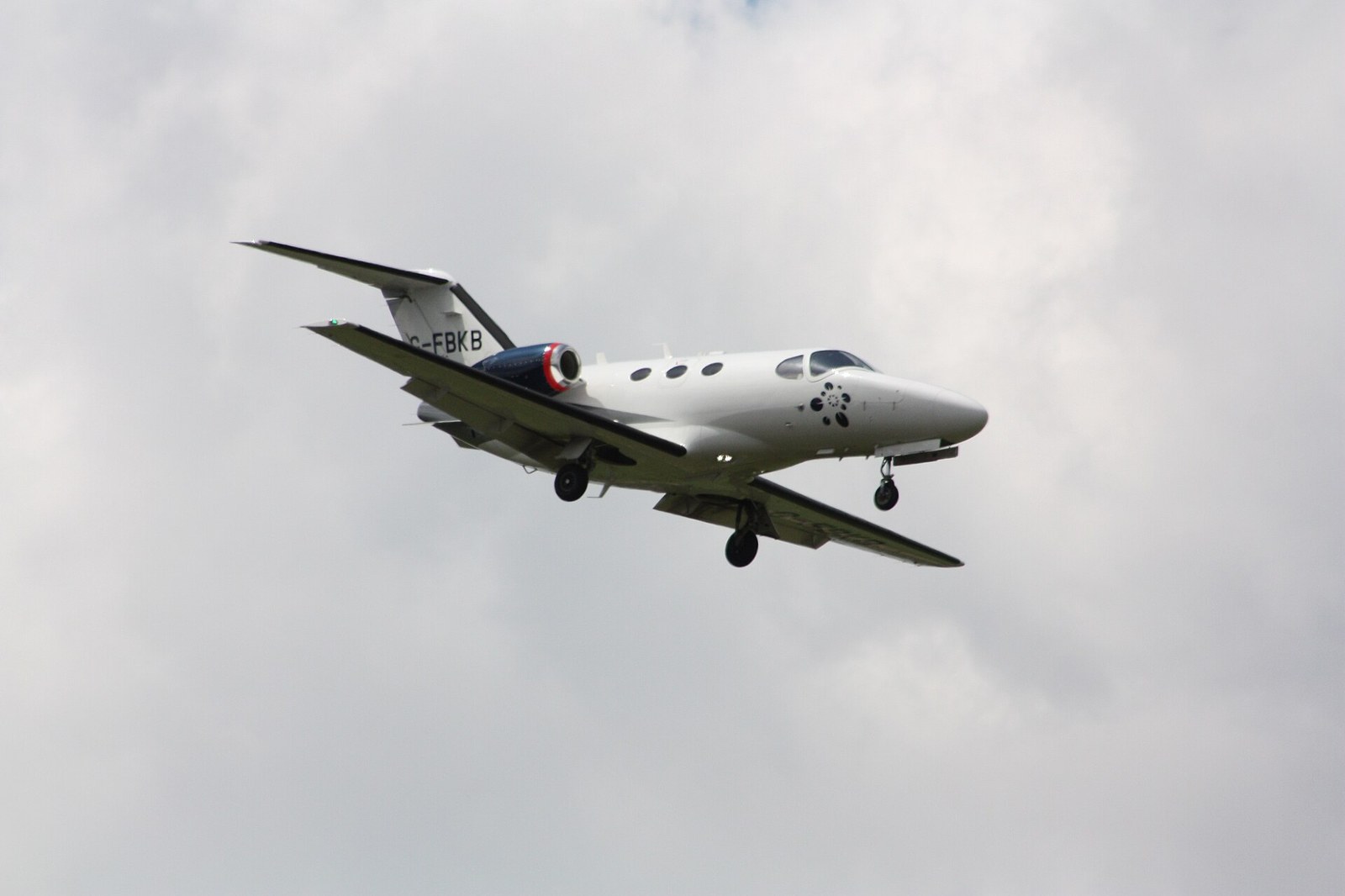
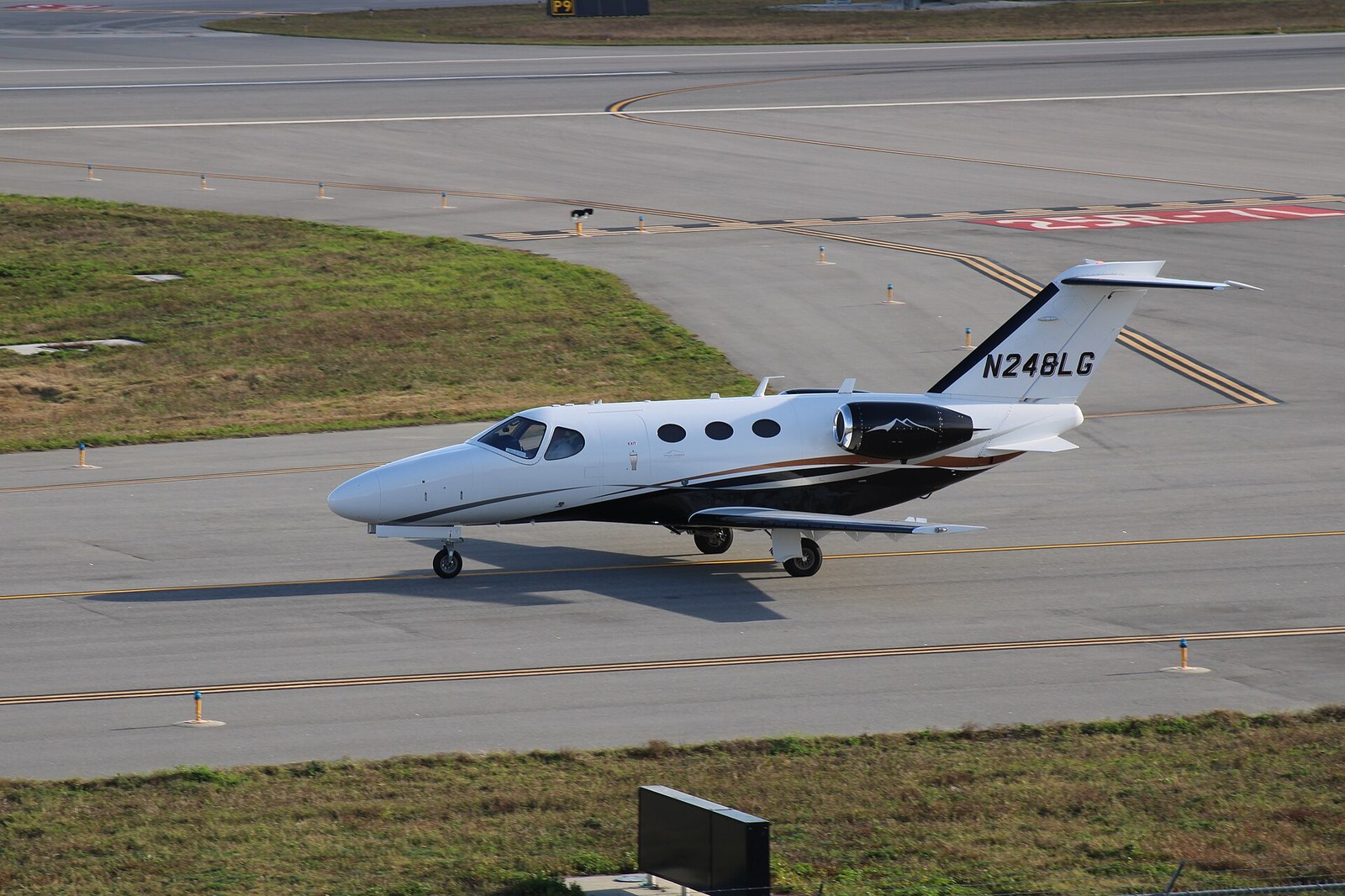
The Cessna Citation Mustang is the aircraft that invented the modern very-light-jet category. Announced at NBAA 2002 and certified in September 2006, the Mustang was Cessna's answer to the wave of VLJ programmes that briefly dominated aviation press attention in the early 2000s — Eclipse, Adam, Diamond D-Jet, HondaJet, Embraer's newly-announced Phenom 100. Of all those programmes, only Cessna and Embraer delivered on schedule and at price, and only Cessna delivered first. Over 470 Mustangs were built before production ended in 2017, when Textron pivoted the entry-level Citation slot to the M2.
The Mustang set the template for everything that followed in the VLJ segment: a four-seat cabin, single-pilot type rating, twin-engine safety, sub-$3 million new price and operating economics that made turboprop operators look uncompetitive. Its Pratt & Whitney PW615F engines, Garmin G1000 flight deck (uniquely so among the first-wave VLJs) and Cessna's established service network gave the Mustang a decisive practical edge over its more ambitious rivals.
Today the Mustang is out of production but supported for another 20+ years by Textron and by a dedicated tier of specialist maintenance shops. Roughly 350 airframes remain in active service — split between owner-flown personal use, small Part 135 charter fleets (especially in Europe and Latin America) and a handful of flight-training academies using the aircraft as a jet-transition trainer.