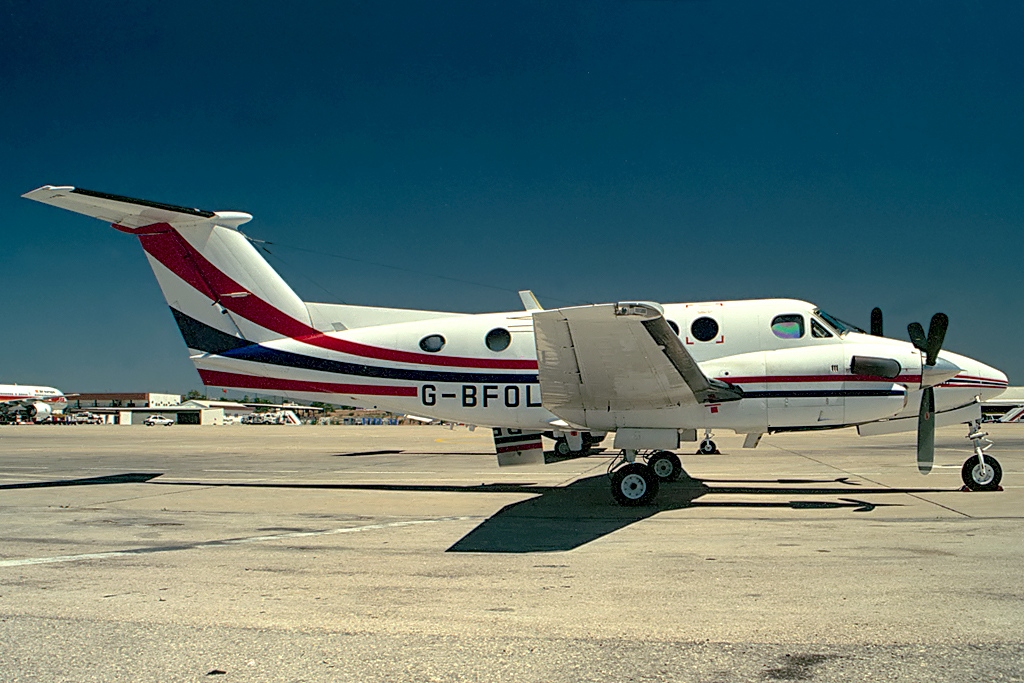
The story behind the Beechcraft King Air 350i
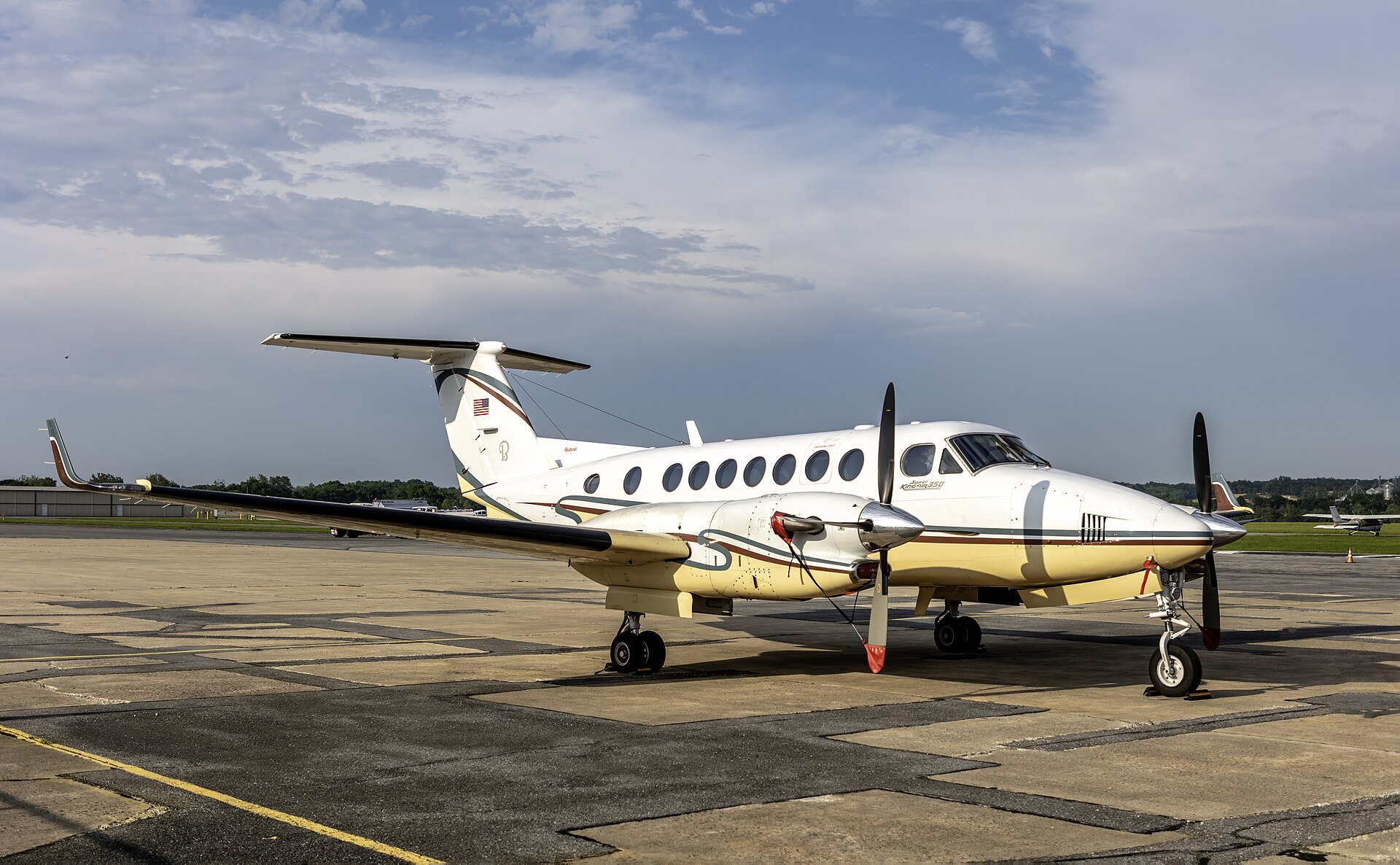
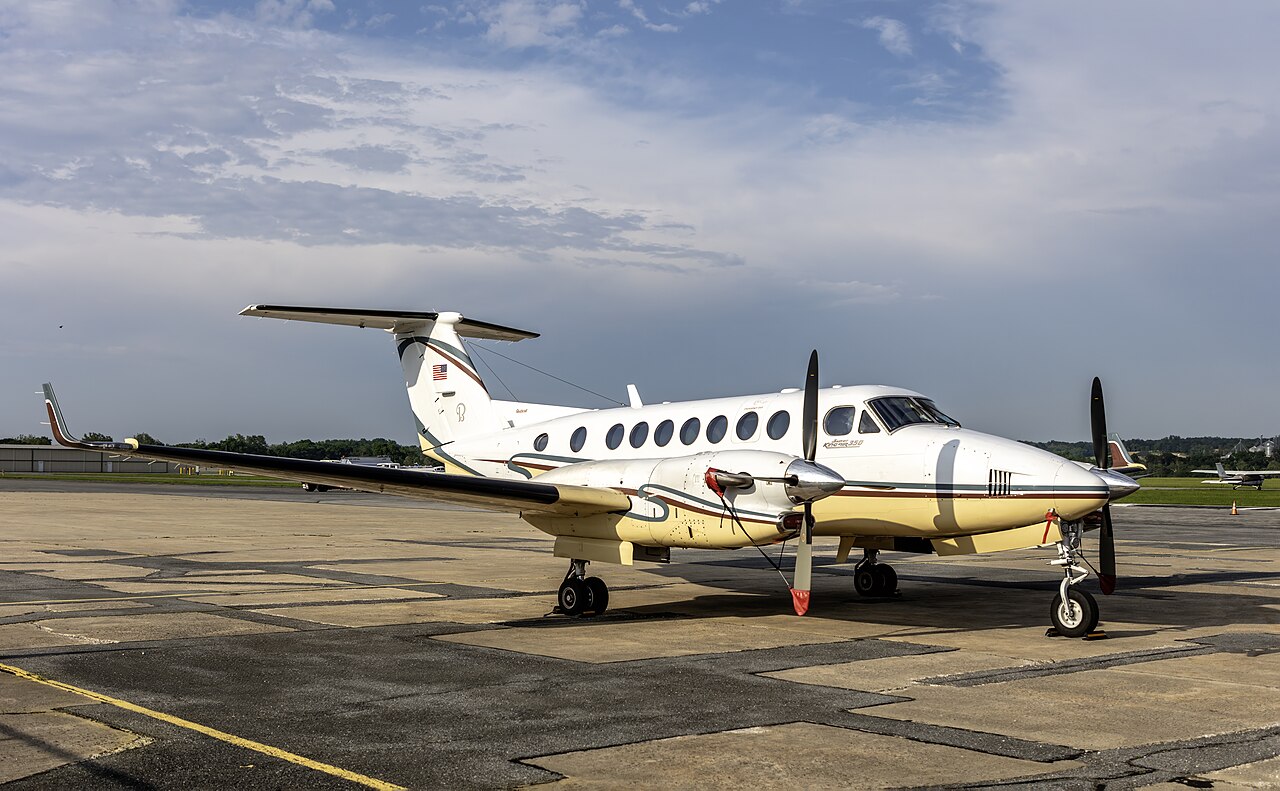
The King Air lineage is arguably the most successful turboprop story in the history of general aviation. Beechcraft — now part of Textron Aviation — introduced the original King Air 90 in 1964 and has been refining, extending and improving the family ever since, producing well over 7,500 aircraft across all variants to date. The King Air 350 emerged in 1990 as the flagship of the B300 series, distinguishing itself from the earlier 200 series with a stretched fuselage, enlarged winglets and a significantly more powerful powerplant. The 350i variant, announced in October 2008 and entering service from 2009, brought the most substantial cabin upgrade in the model's history: redesigned ergonomic seating, Active Noise and Vibration Attenuation (ANCA) technology, a new cabin-management system, and large oval windows that flood the interior with natural light.
The 350i designation signals more than incremental improvement. Beechcraft's engineering team attacked the twin long-standing criticisms of turboprop travel — noise and vibration — with a sophistication rarely applied outside of commercial aviation. The ANCA system uses sensors mounted throughout the airframe to generate counter-phase acoustic waves that cancel cabin noise at source, reducing the in-flight sound level to a figure that leaves first-time passengers genuinely surprised. Simultaneously, the aircraft's composite winglets — swept rearward at an angle unique to this variant — improve aerodynamic efficiency by reducing induced drag, raising the effective cruise altitude and extending range compared to earlier King Air 350 models.
Today the King Air 350i holds a dominant position in the turboprop charter market across Europe, North America, Africa and the Asia-Pacific region. It is favoured by corporate operators, air ambulance providers, maritime surveillance agencies and government departments in equal measure — a universality of application that speaks to the fundamental soundness of its design. For private charter clients, it represents the premium option within the twin-turboprop category: faster, larger, quieter and better appointed than any of its competitors, and available at a charter rate that compares very favourably with entry-level light jets while offering a cabin experience — and a runway access capability — that those jets cannot match.