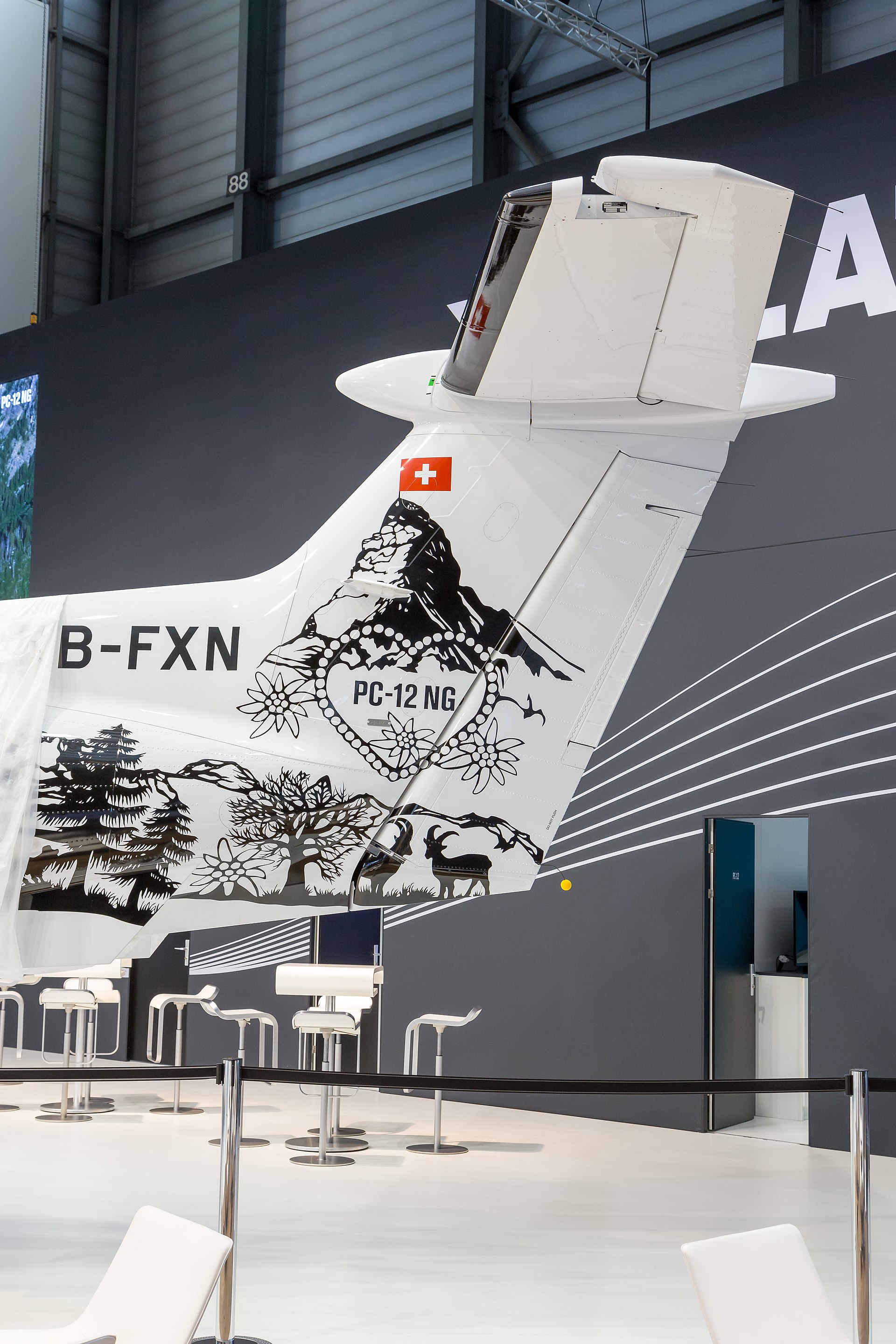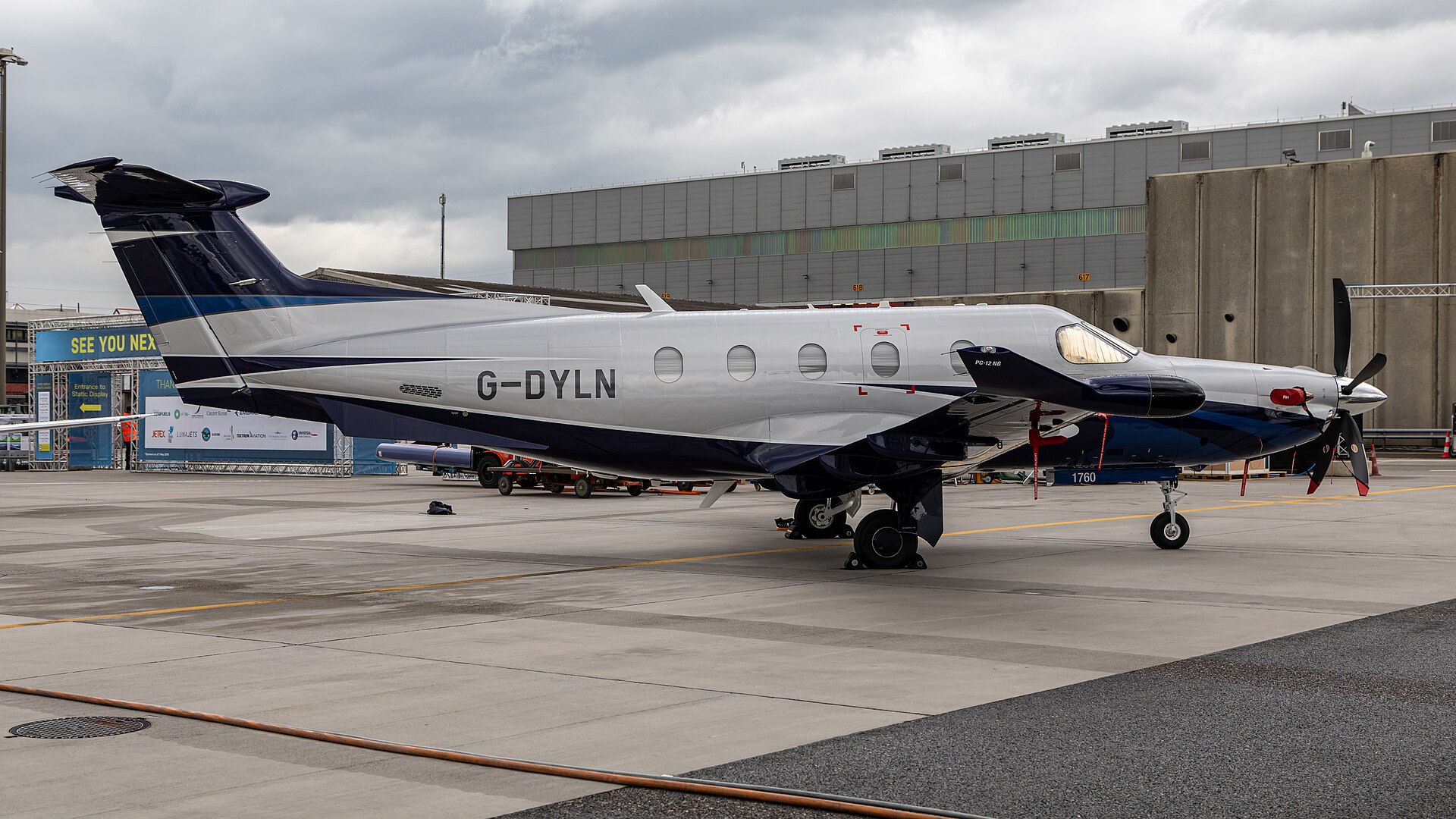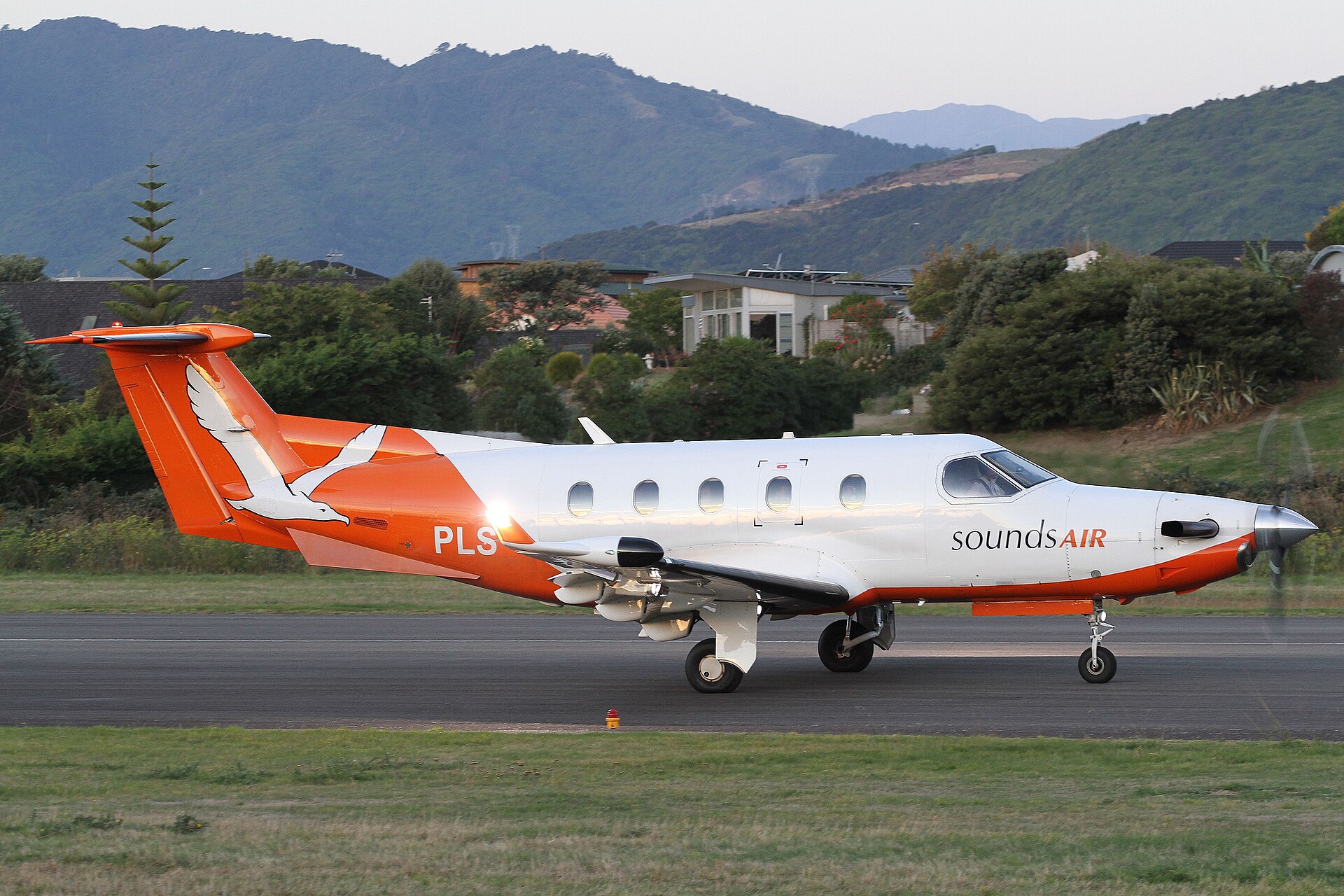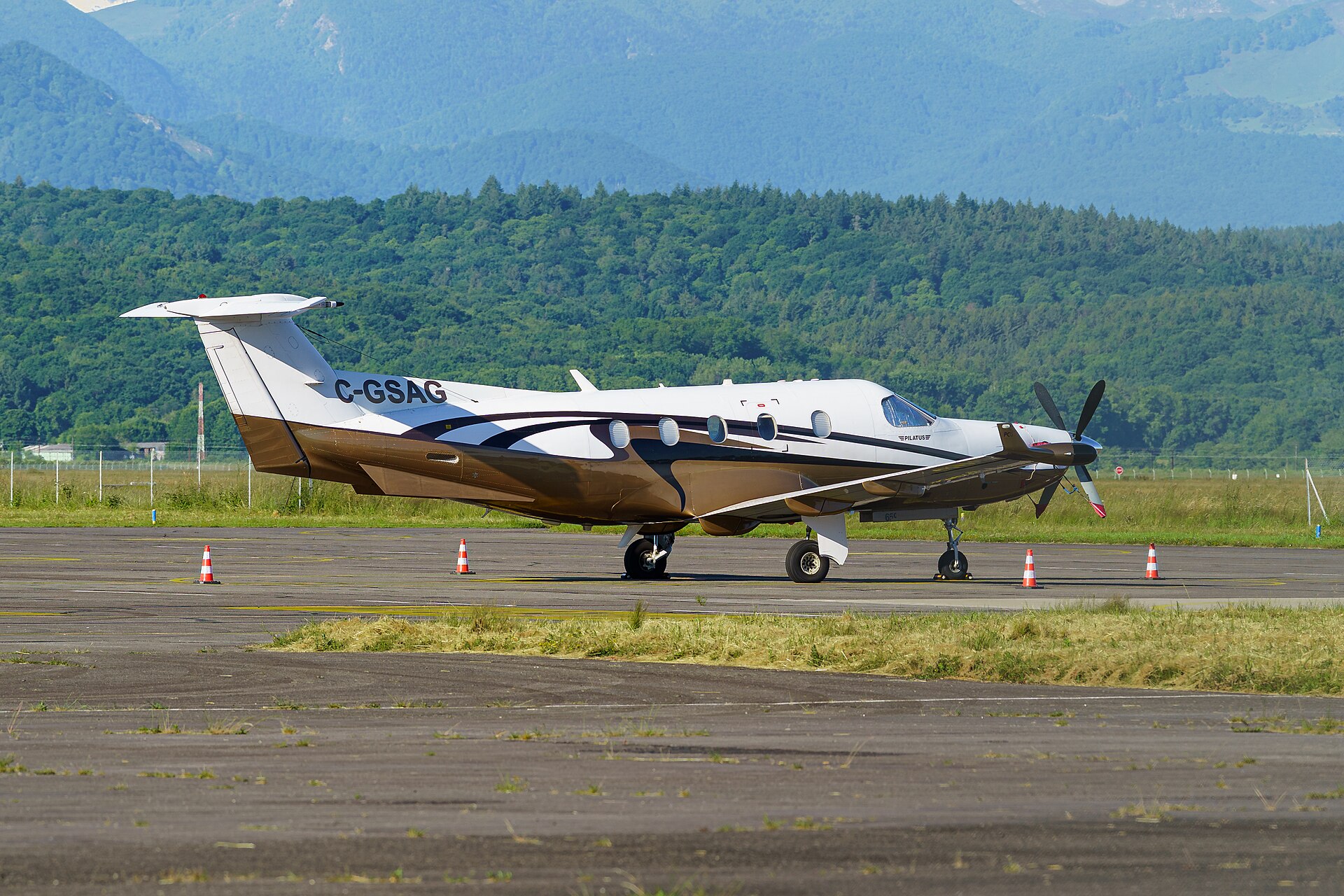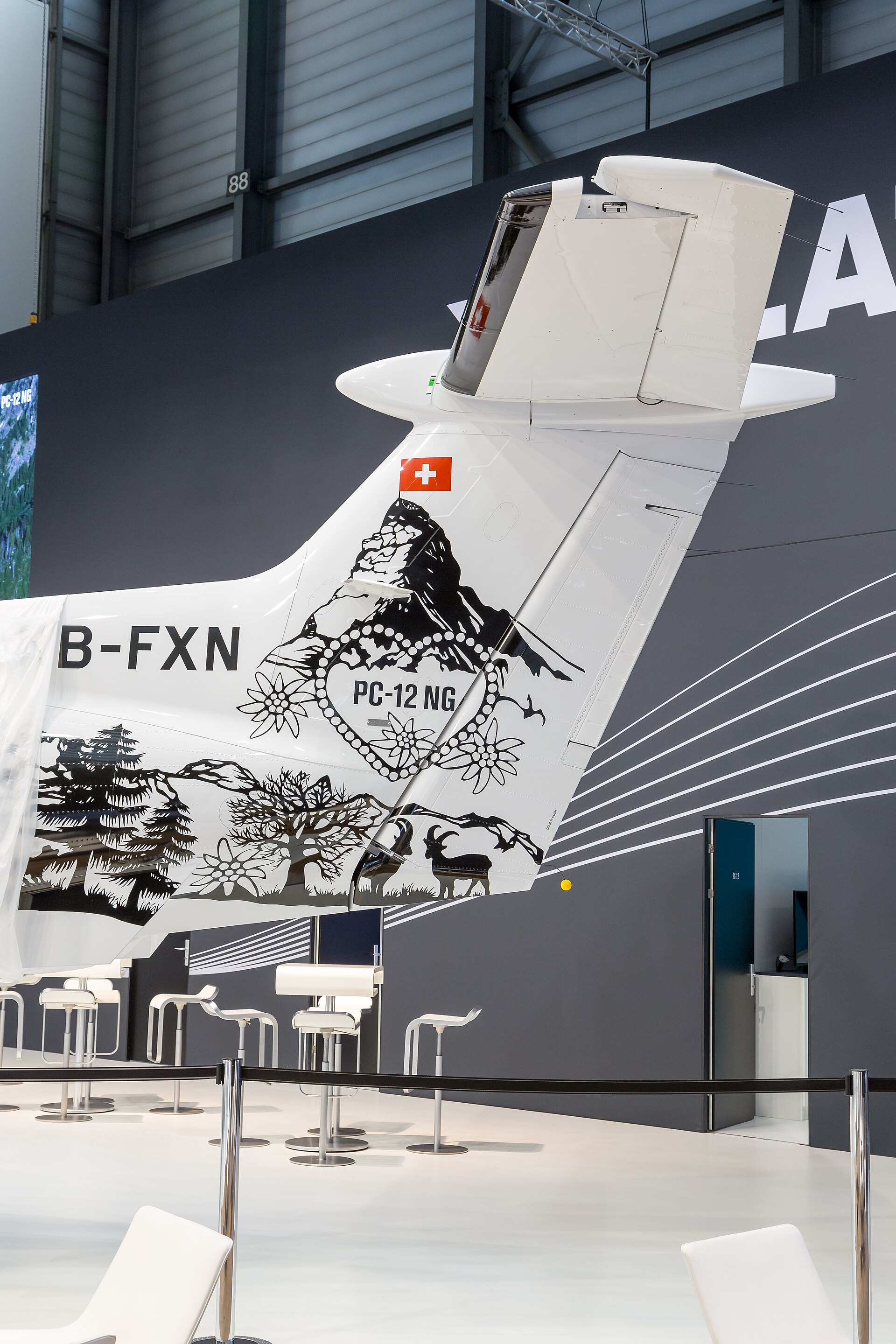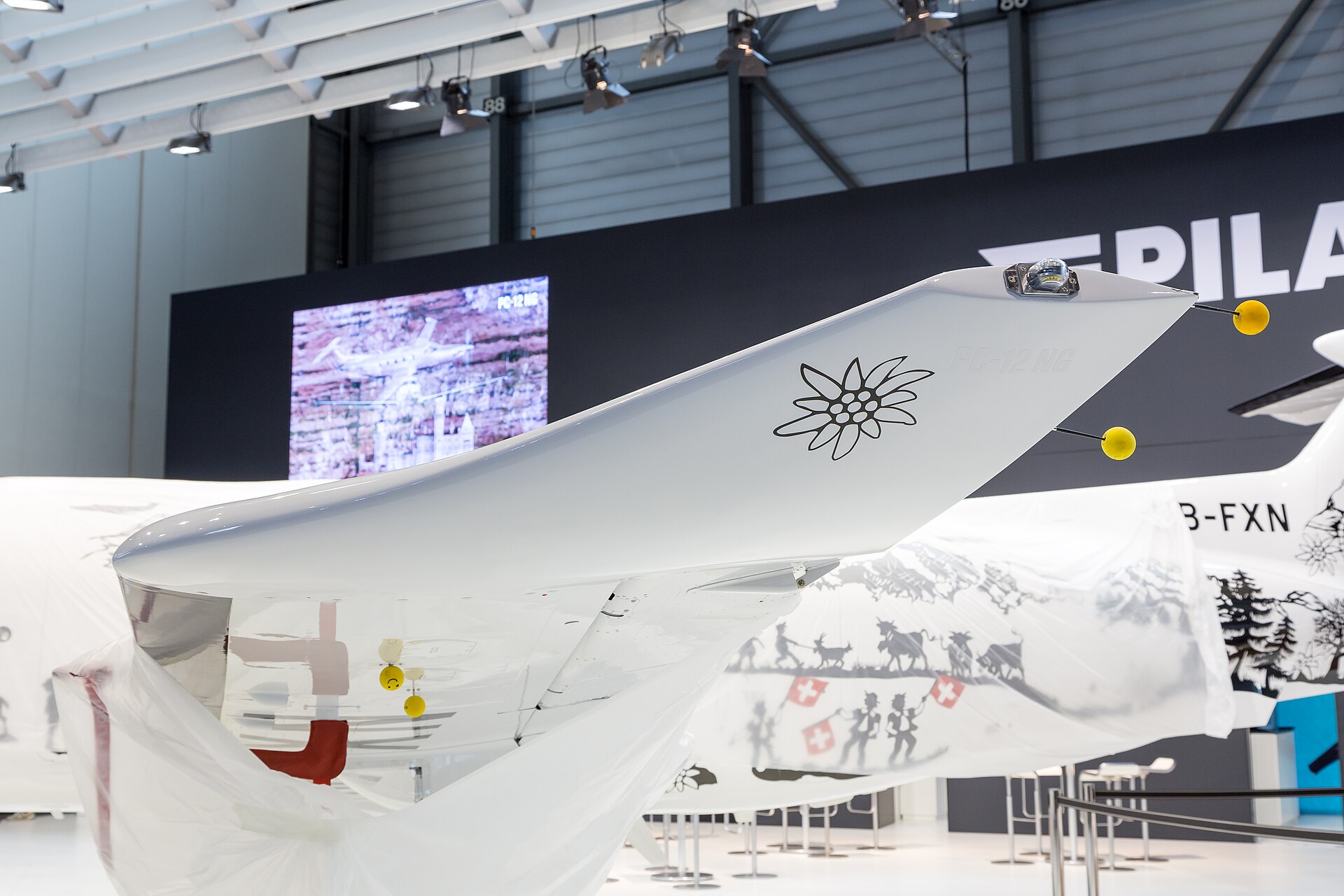
The story behind the Pilatus PC-12 NGX
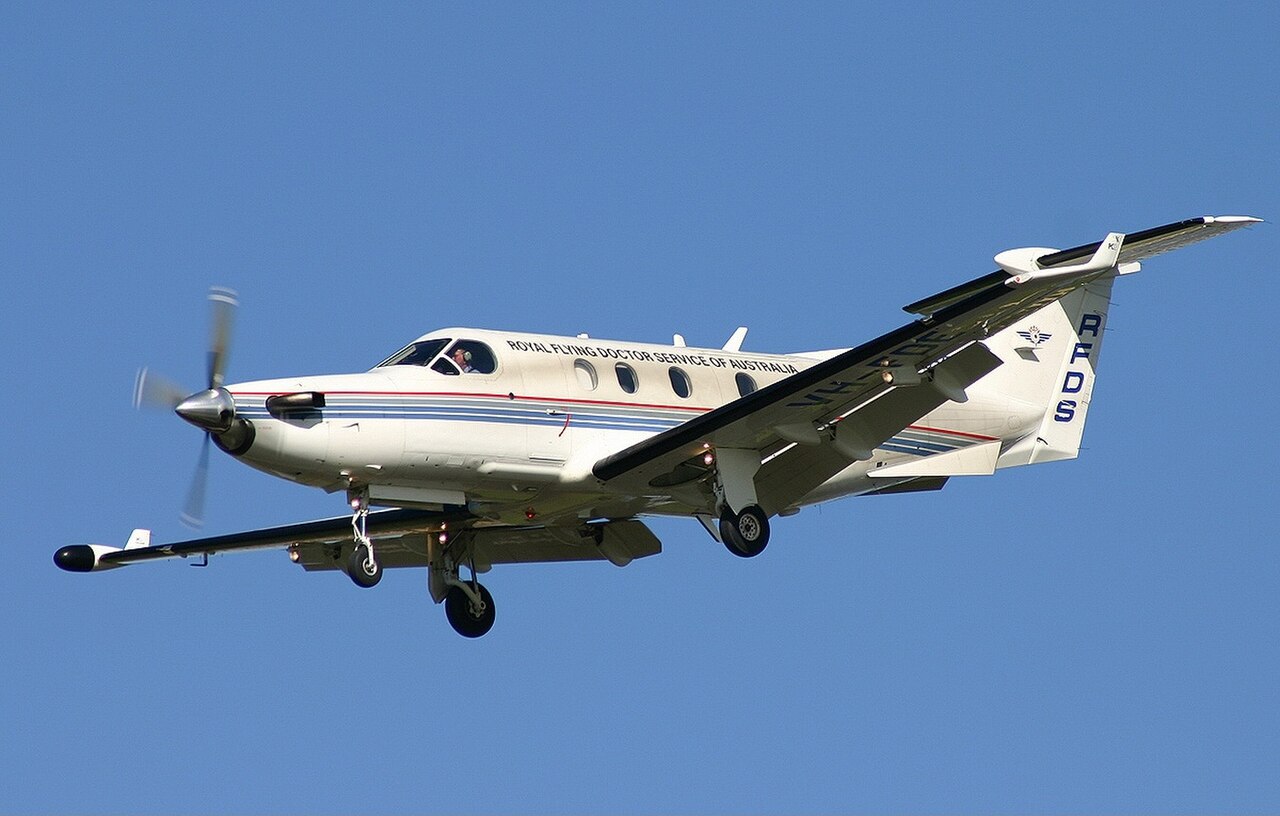
Pilatus Aircraft of Stans, Switzerland, has been producing robust, high-performance single-engine aircraft since the 1940s — aircraft designed to operate reliably in the Alps, in the Australian outback, in the African bush, and in conditions that would defeat more delicate designs. The PC-12 is the company's defining achievement: a single-engine turboprop that, since its first flight in May 1991 and its entry into service in 1994, has accumulated over 8 million fleet flight hours across more than 1,900 aircraft delivered to customers in over 50 countries. It is, without credible dispute, the world's best-selling pressurised single-engine turboprop — a record that reflects not marketing but genuine engineering merit.
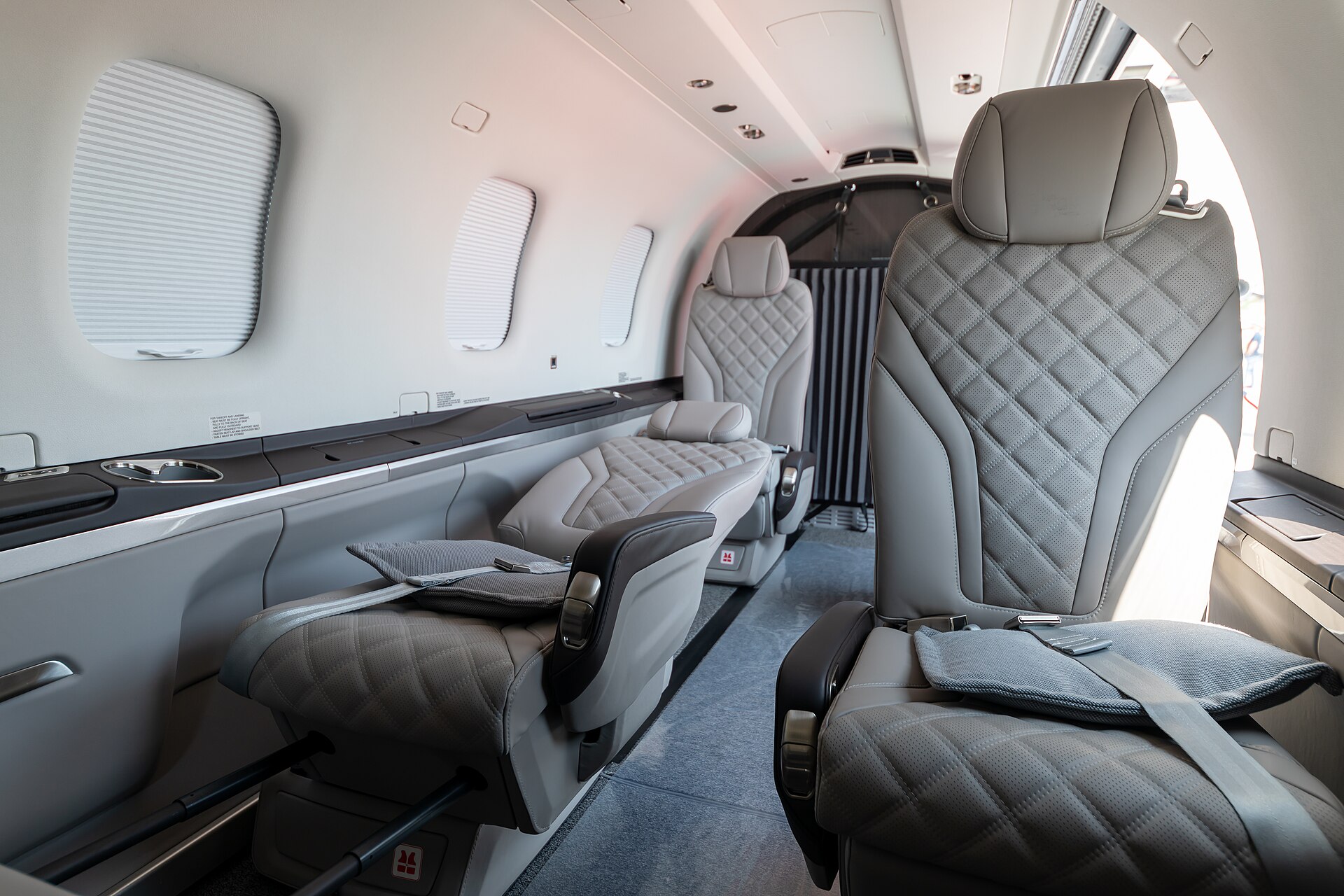
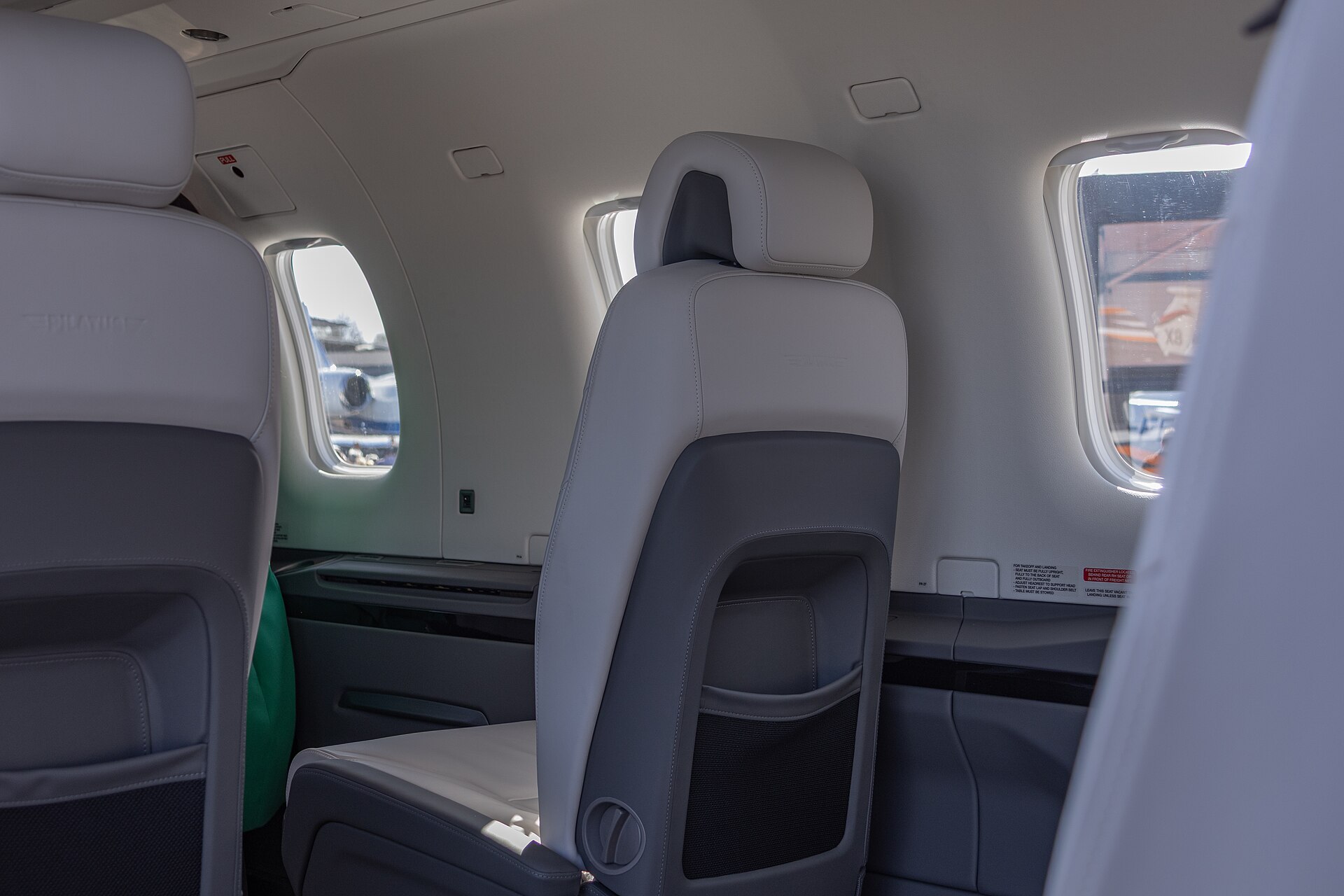
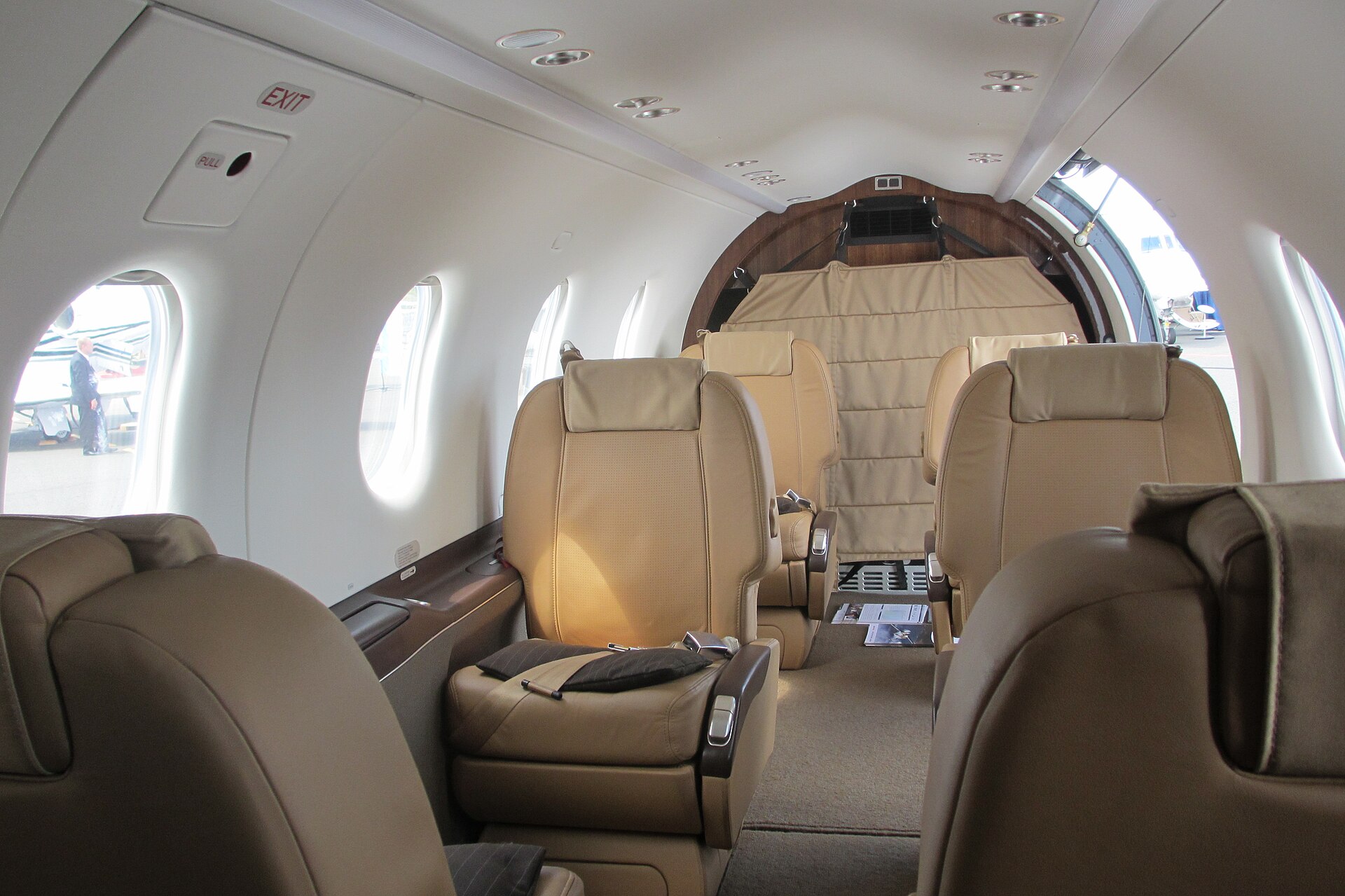
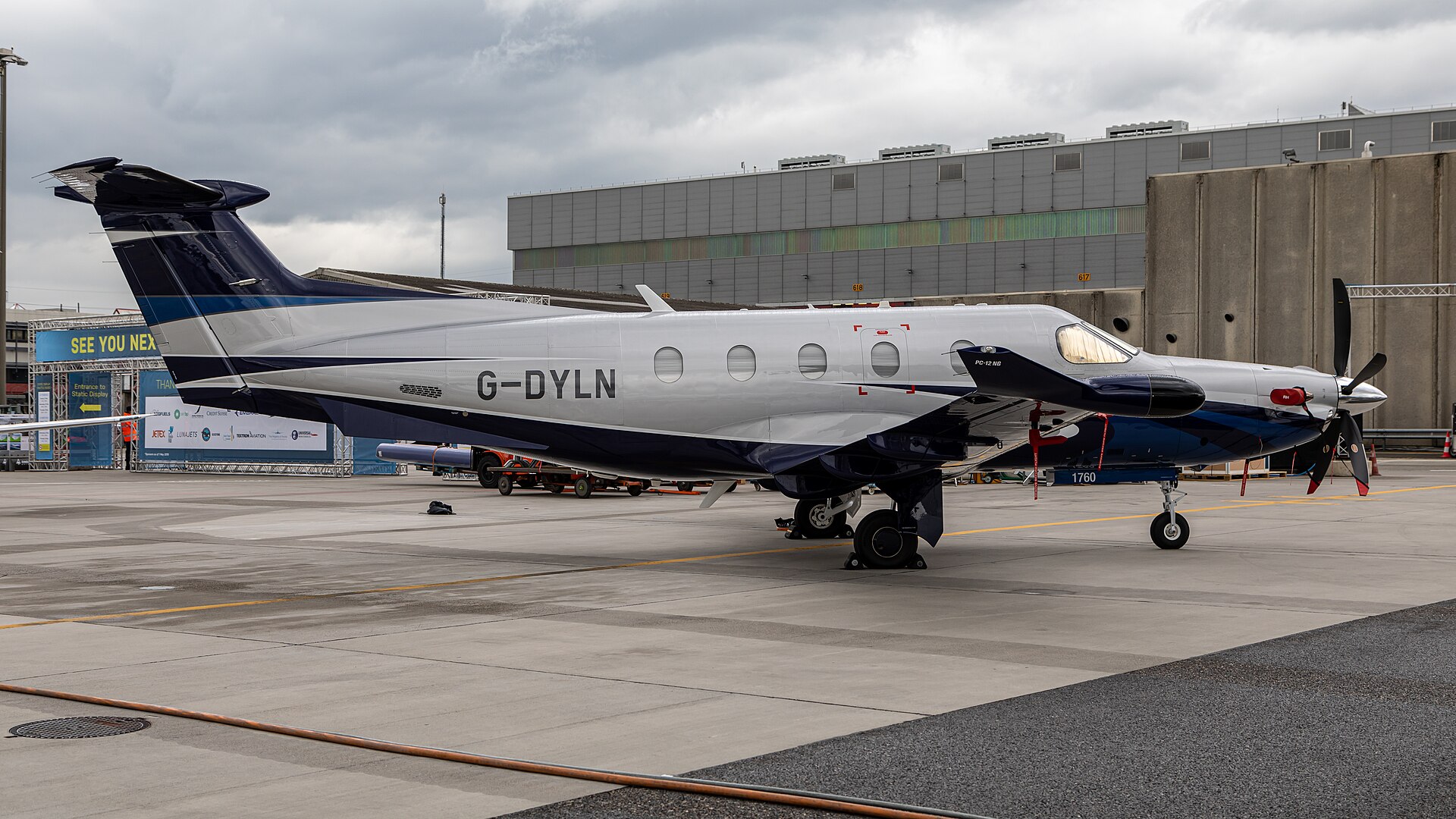
The NGX variant, unveiled at EBACE 2019 and entering service in 2020, represents the most significant advancement of the PC-12 design since its introduction. The centrepiece of the update is the Pratt & Whitney Canada PT6E-67XP engine — an entirely new powerplant featuring the world's first dual-channel autothrottle on a turboprop, delivered through Pilatus's proprietary Electronic Propeller and Engine Control System (EPECS). This system manages power, propeller pitch and fuel flow with a degree of precision previously available only on turbofan engines, reducing pilot workload, optimising fuel consumption and improving single-pilot operating safety in a manner that is genuinely revolutionary rather than incremental. The NGX also introduced a new Honeywell Primus Apex avionics suite, larger panoramic windows, a redesigned interior architecture and an enhanced active noise reduction system.
The Pilatus PC-12 NGX is available for charter today as a premium single-engine turboprop, carrying up to nine passengers in a pressurised, air-conditioned cabin at a cruise speed of 290 knots. Its particular distinction — the feature that no other executive turboprop can fully replicate — is the combination of full pressurisation, genuine cargo capability via a large rear cargo door, and the ability to operate from unprepared strips of grass, gravel, sand or packed earth as short as 2,485 feet. It is the aircraft that goes where others cannot, then brings the boardroom experience once you arrive.