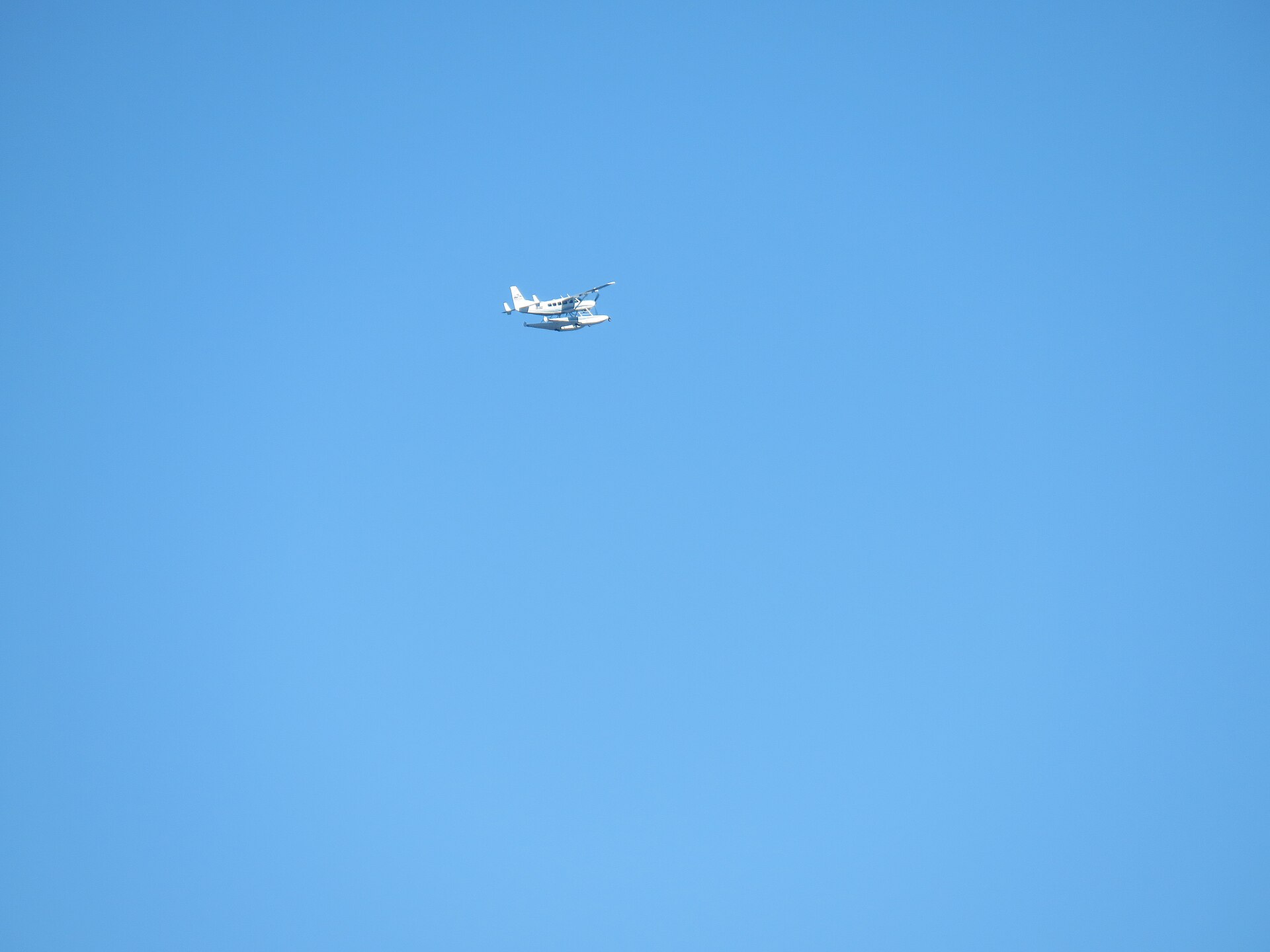
The story behind the Cessna Caravan 208B
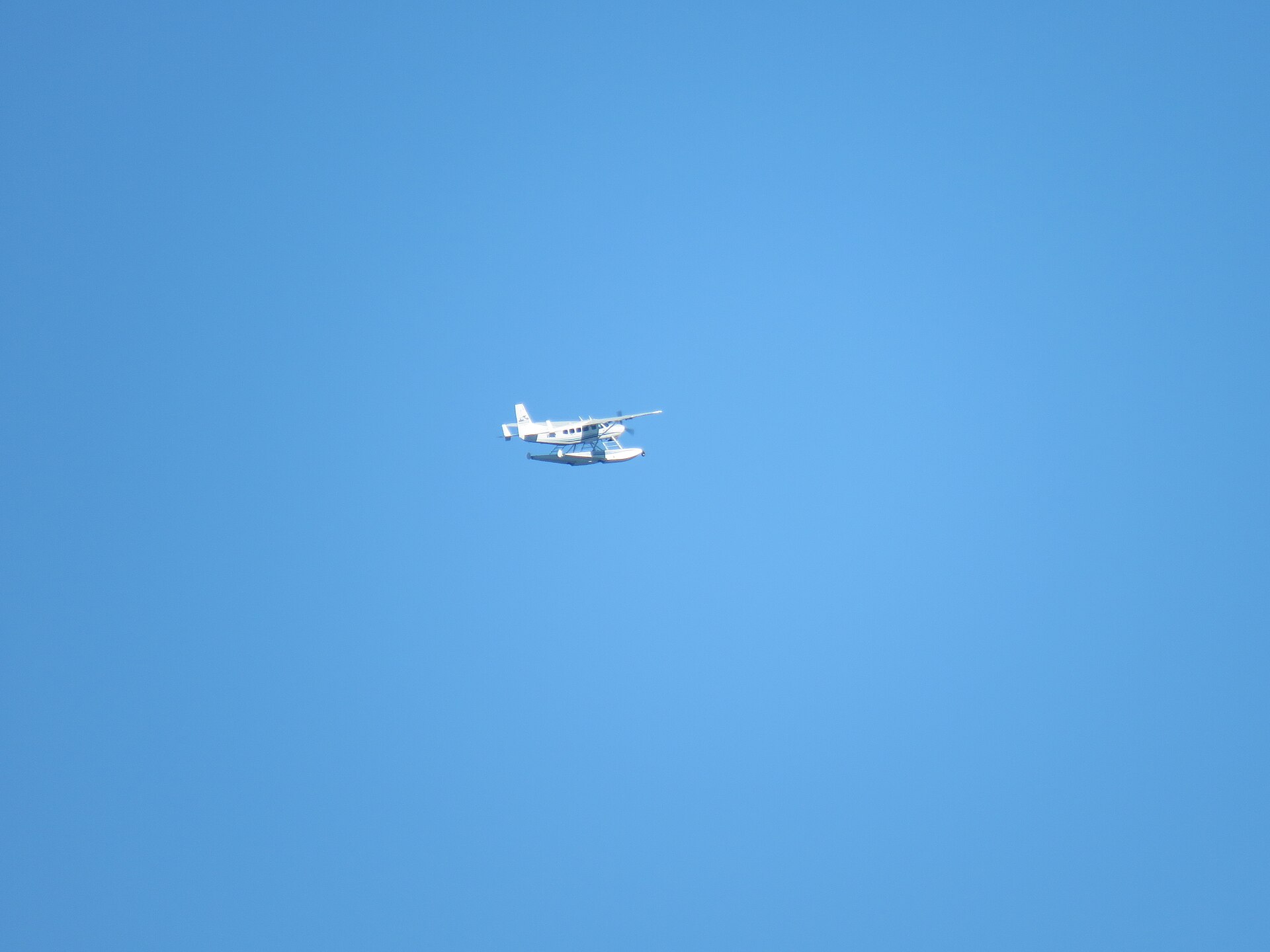
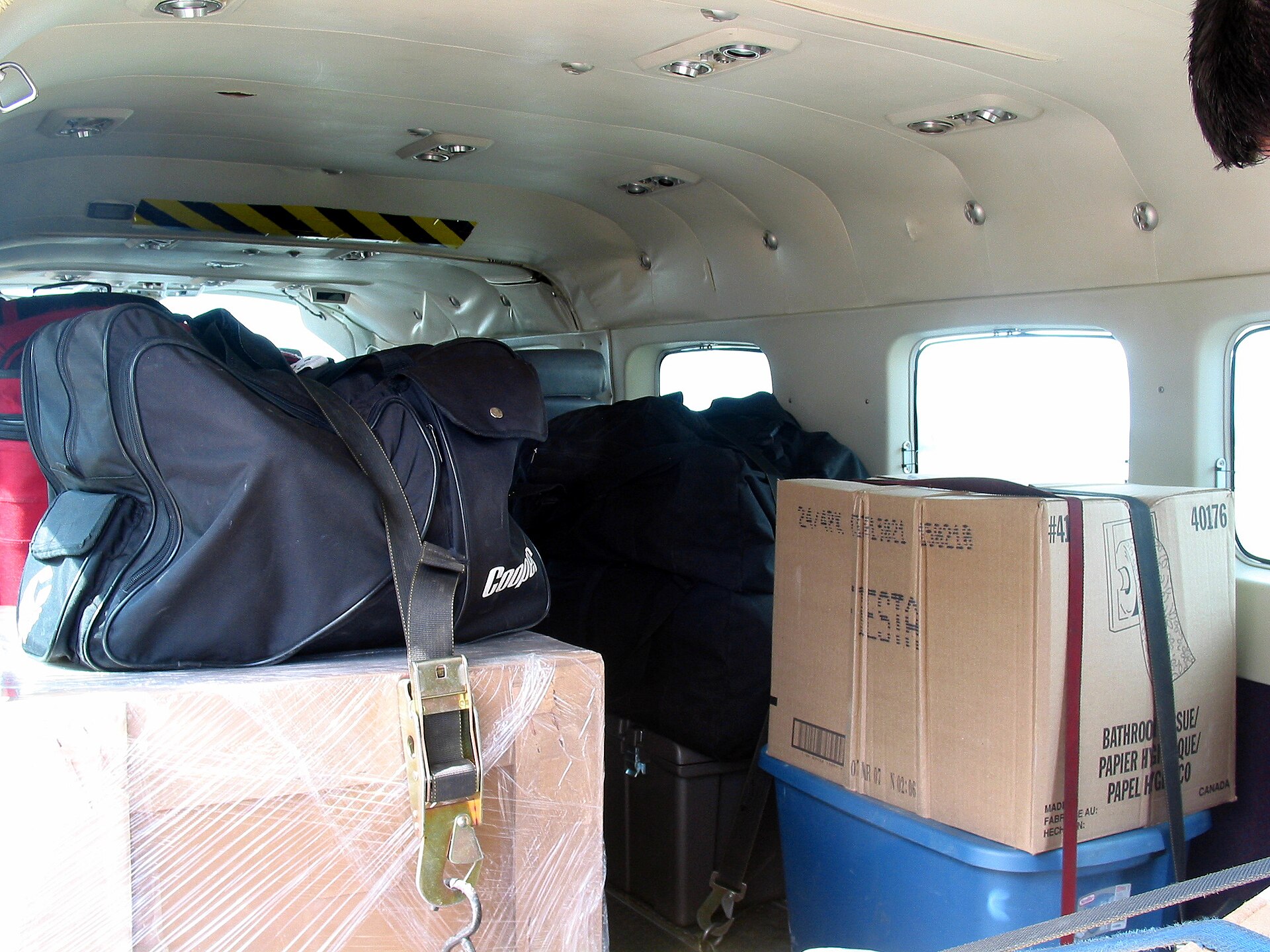
The Cessna Caravan is one of the most remarkable aircraft in the history of general aviation — not for its speed, its altitude capability or its cabin glamour, but for its extraordinary versatility, reliability and reach. Cessna, then part of General Dynamics and now a subsidiary of Textron Aviation, introduced the Model 208 in 1982 in response to a specific brief: Federal Express required a small, reliable turboprop freighter capable of operating from short, unprepared strips to serve regional distribution nodes. The aircraft that emerged from that brief was so capable and so adaptable that it rapidly transcended its cargo origins to serve as a commuter airliner, a bush plane, a seaplane base, an air ambulance, a parachute platform, a maritime patrol aircraft and — in VIP-configured variants — a surprisingly comfortable private charter aircraft.
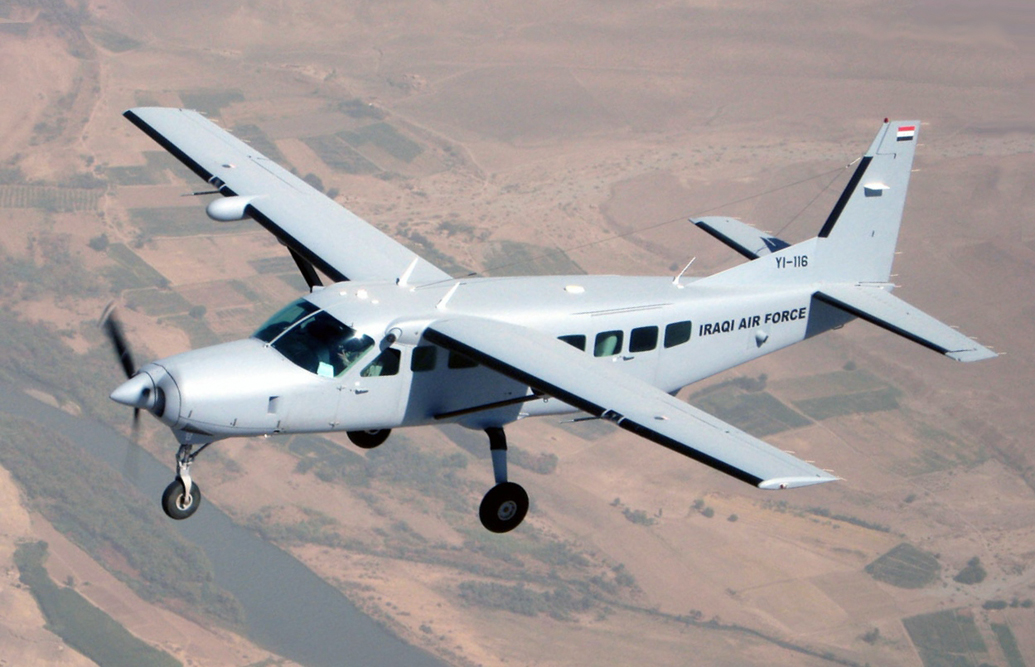
The 208B Grand Caravan, introduced in 1986, extended the original 208's fuselage by four feet, increasing passenger and cargo capacity and cementing the type's position as the workhorse of choice for remote operations worldwide. The aircraft has been in continuous production for over 40 years, with more than 2,600 examples delivered and active in over 100 countries. FedEx alone operates hundreds of Caravans; Mission Aviation Fellowship uses them to serve remote communities across central Africa, Papua New Guinea and the Amazon basin; operators in Alaska, the Arctic and the Himalayas rely on them for access that no other fixed-wing aircraft can provide. This global ubiquity means that maintenance support, certified engineers, spare parts and fuel are available for the Caravan virtually everywhere on earth — a practical advantage that matters enormously on remote operations.
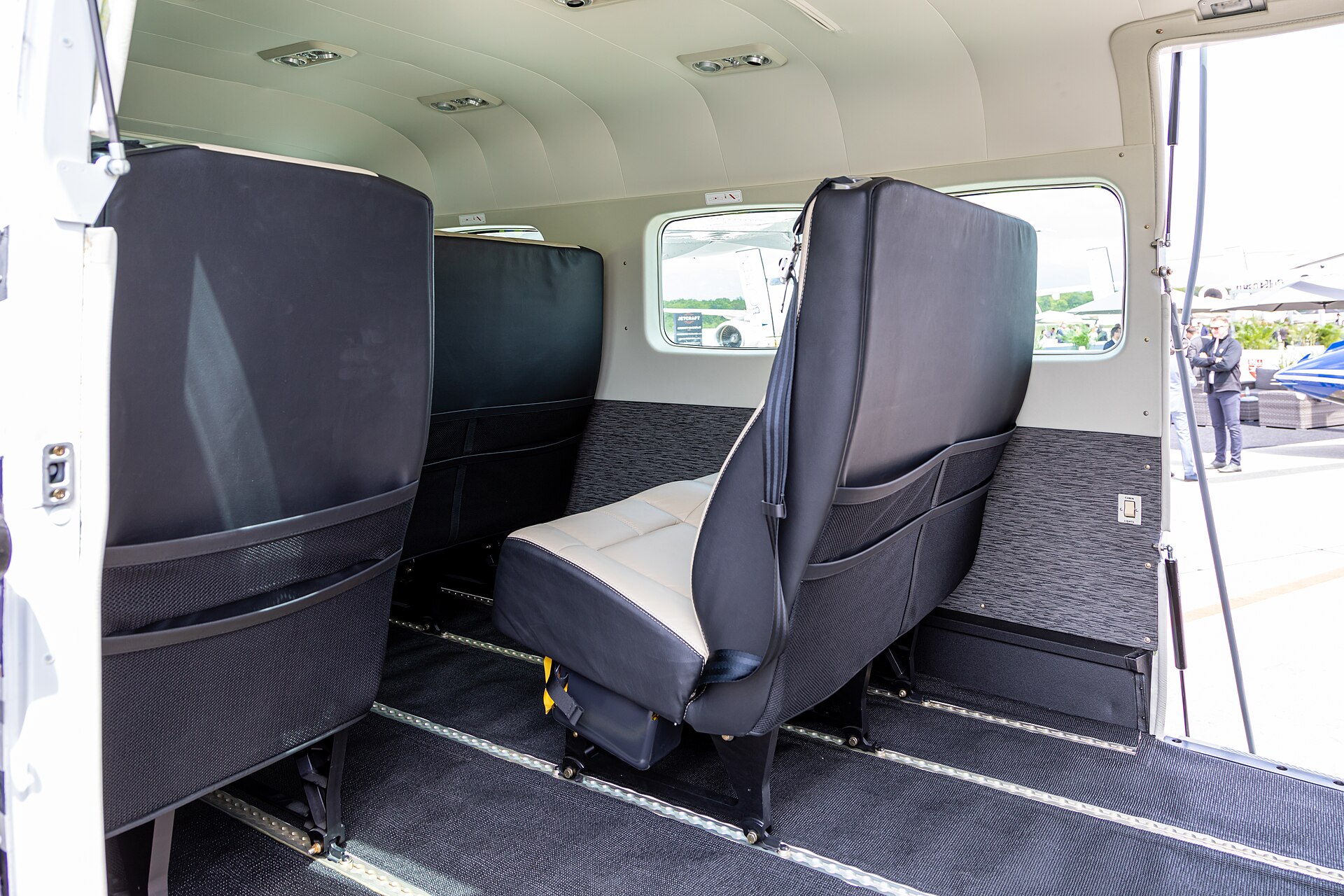
In the luxury charter context, the Cessna Caravan 208B is not positioned as a premium executive aircraft in the manner of the King Air or PC-12 lineages. Rather, it is the aircraft of pure access — the machine that goes where others cannot, on runways that others dare not attempt, and delivers its passengers to destinations that no other fixed-wing option can reach. For the safari operator, the island resort, the remote lodge and the adventure travel designer, the Caravan is not a compromise; it is the only aircraft for the mission.