The story behind the Bombardier Learjet 75 Liberty
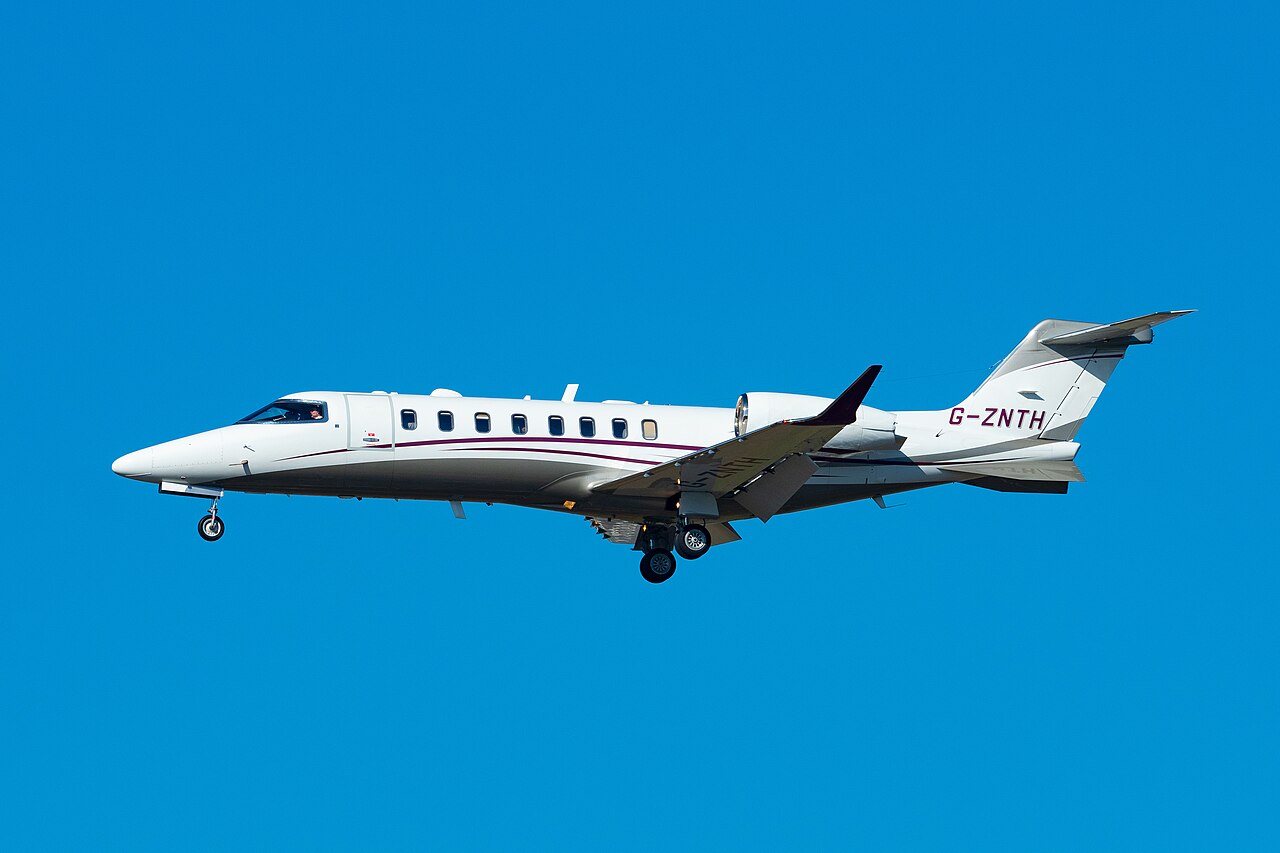
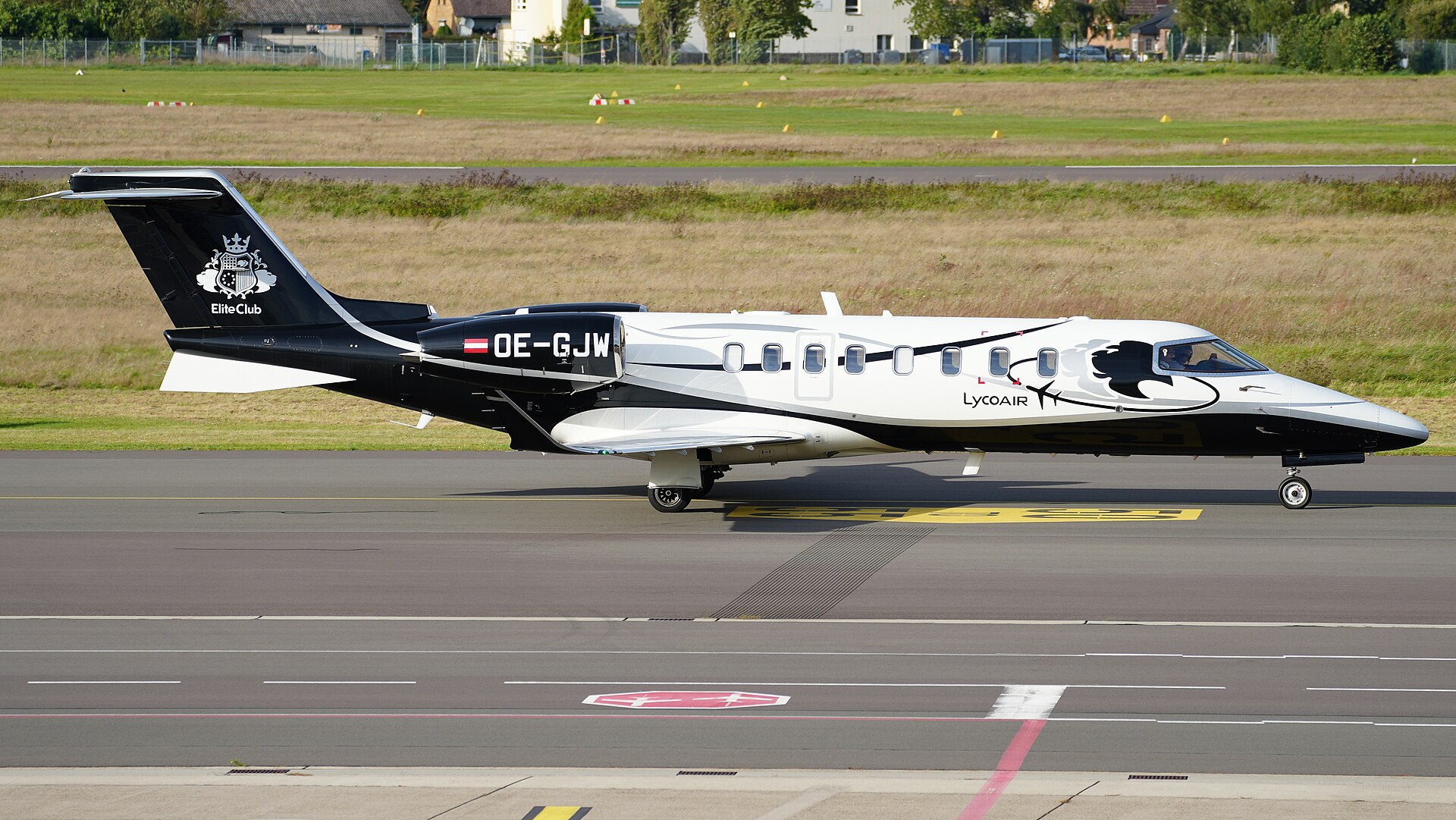
The Learjet 75 Liberty holds a place in aviation history that no future aircraft can claim: it is the final production variant of the Learjet family, and the last example rolled off the line at Bombardier's Wichita, Kansas facility in 2022. The Learjet name itself carries a weight that goes beyond commercial aviation — Bill Lear's original Model 23, certificated in October 1963, was the aircraft that invented the business jet category as we understand it today. Sixty years of continuous production, over 3,000 aircraft delivered and an aerodynamic language that has barely changed in outline since the swept-wing prototype of the early 1960s: the Learjet story is the story of business aviation.
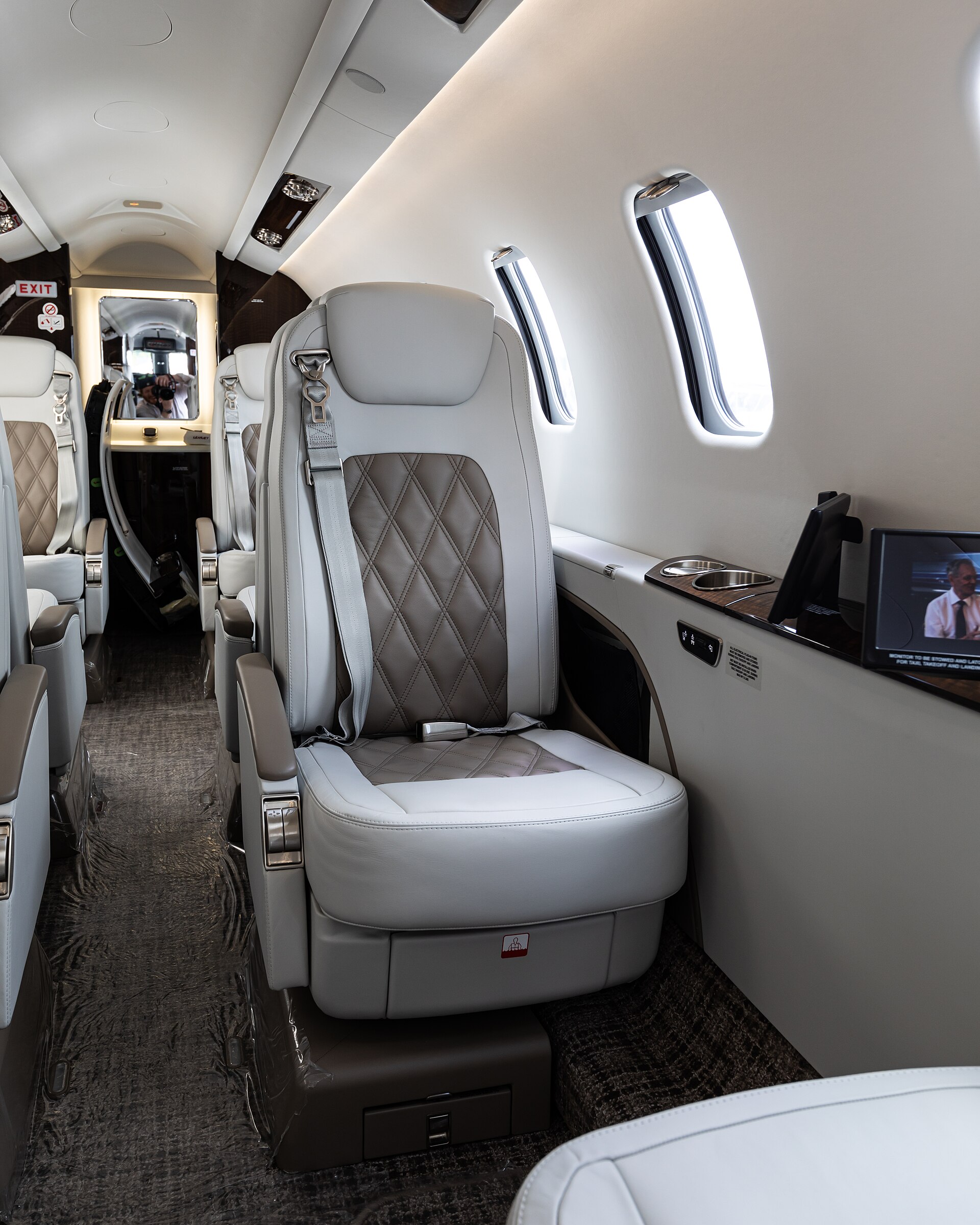
The Learjet 75 was introduced in 2013 as a replacement for the Learjet 45 series, featuring Honeywell TFE731-40BR engines, redesigned winglets producing a meaningful drag reduction, and the Bombardier Vision flight deck with Rockwell Collins Pro Line 21 avionics. The Liberty variant, announced in 2019 as the final production configuration, features a redesigned interior with a six-seat double club arrangement and an Executive Suite that converts the aft cabin into a private zone with a pull-out divan. It is simultaneously the most refined and the most emotionally charged light jet available for charter.
Bombardier's decision to end Learjet production in February 2021 — citing the impact of the COVID-19 pandemic on demand, and a strategic pivot toward the Challenger and Global families — gave the 75 Liberty an immediate collectible status. Operators who hold Liberty examples on their AOCs understand that the supply of aircraft cannot grow, which supports residual values and motivates excellent maintenance standards. For the charter client, this means consistently well-maintained aircraft flown by crews who are genuinely invested in the type.