The story behind the Bombardier Global 5000
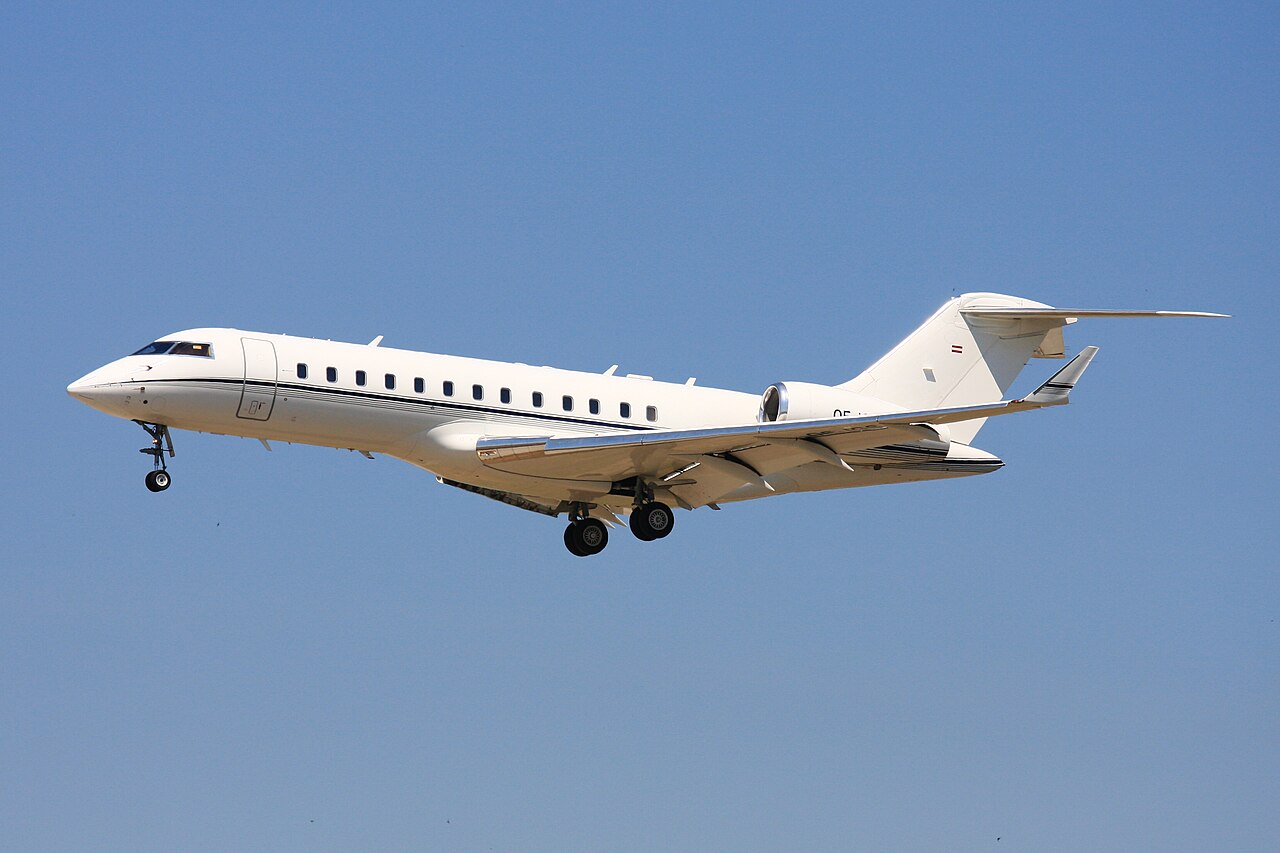
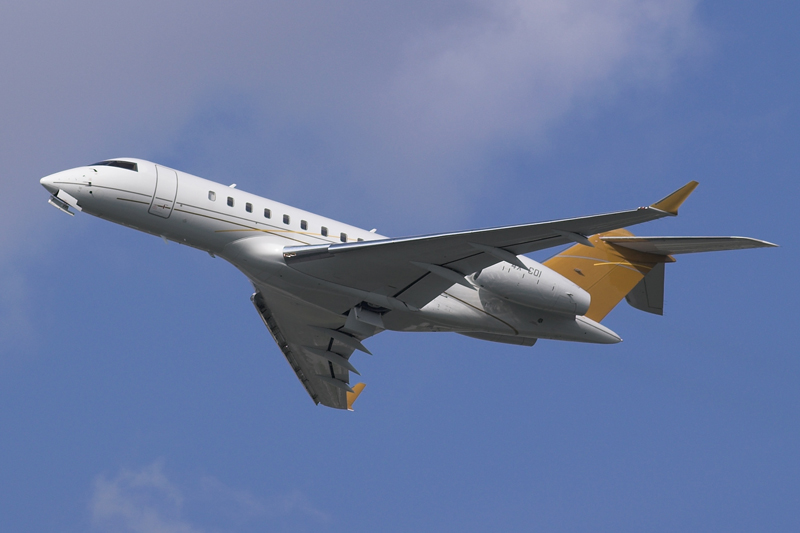
Bombardier's Global family has long represented the gold standard of Canadian engineering ambition in business aviation — a lineage that traces its roots to the Global Express of 1996, a jet that proved beyond all reasonable doubt that an ultra-long-range business aircraft could also be the most comfortable in its class. The Global 5000 emerged from that lineage in 2001 as a formally announced programme, taking its maiden flight in March 2003 and entering charter and owner-operator service in 2005.
The rationale behind the Global 5000 was straightforward but commercially astute: the Global Express had been engineered with almost reckless generosity in terms of range, connecting virtually any two cities on earth. A significant segment of operators and charter clients, however, required roughly 5,200 nautical miles of range rather than the full 6,000-plus of the Express, and were willing to accept a slightly shortened fuselage in exchange for lower operating costs and access to a somewhat broader range of airports.
The Global 5000 was that aircraft. By reducing the fuselage length and adjusting the fuel capacity of the Global Express platform, Bombardier created a jet that could still fly London to New York non-stop, London to Hong Kong with a single efficient fuel stop, and London to most Gulf and African destinations without restriction — all whilst burning less fuel and demanding shorter runways than its larger sibling.
Production of the Global 5000 continued for fifteen years, ceasing in 2020 following the introduction of the re-engined Global 5500. The result is a mature, well-understood fleet with an excellent maintenance and parts support infrastructure, making the Global 5000 one of the most reliably available heavy-jet options in the European charter market to this day. Operators benefit from decades of accumulated data, and charter clients benefit from competitive rates on an aircraft that remains genuinely capable.