Eclipse 550 private jet charter

Eclipse 550 Charter

The smallest, most fuel-efficient twin-jet on the charter market.

PAX4RANGE1,125 nmSPEEDMach 0.64BAGGAGE16 cu ftCABIN4'2" × 4'8"TYPICALChicago → Detroit · from $4,400

OVERVIEW

Eclipse Aerospace Eclipse 550

The Eclipse 550 is the definitive very light jet — a four-seat, twin-Pratt & Whitney PW610F powered aircraft with autothrottles, Avio IFMS avionics and by far the lowest fuel burn of any jet in charter service (roughly 59 US gal/hr). A niche but genuinely useful tool for short regional missions on tight budgets.

Eclipse 550 cabin and exterior

IN DEPTH

The complete guide to chartering the Eclipse 550

The story behind the Eclipse 550

The Eclipse 550 is one of the most complicated success stories in modern aviation. The original Eclipse 500 was the flagship of Vern Raburn's ambitious Eclipse Aviation, the New Mexico manufacturer that promised in the early 2000s to revolutionise personal aviation with a $1 million VLJ built using friction-stir welding and produced at automotive volumes. The 500 was certified in 2006 and briefly captured the imagination of the industry — before Eclipse Aviation collapsed into bankruptcy in 2008 after delivering roughly 260 airframes with a substantial punch-list of undelivered features and unresolved airworthiness issues.

The programme was rescued in 2009 by Sikorsky's founder's descendants and restarted in 2013 as Eclipse Aerospace, producing the Eclipse 550 — an "as-promised" version of the original with autothrottles, anti-skid brakes, integrated FIKI de-icing, an updated Avio IFMS avionics package and every option the original 500 had been sold with but had never actually shipped with. Around 33 Eclipse 550s were built between 2013 and 2016, when production paused during another corporate transition to what is now One Aviation.

Today only a small number of Eclipse 550s and updated Eclipse 500s are in active charter service — roughly 40 combined airframes globally, split between US Part 135 operators and a small European base. Availability is niche but genuine, and the aircraft occupies a distinctive place in the market as the smallest and most fuel-efficient charter jet in production history.
On board: the Eclipse cabin

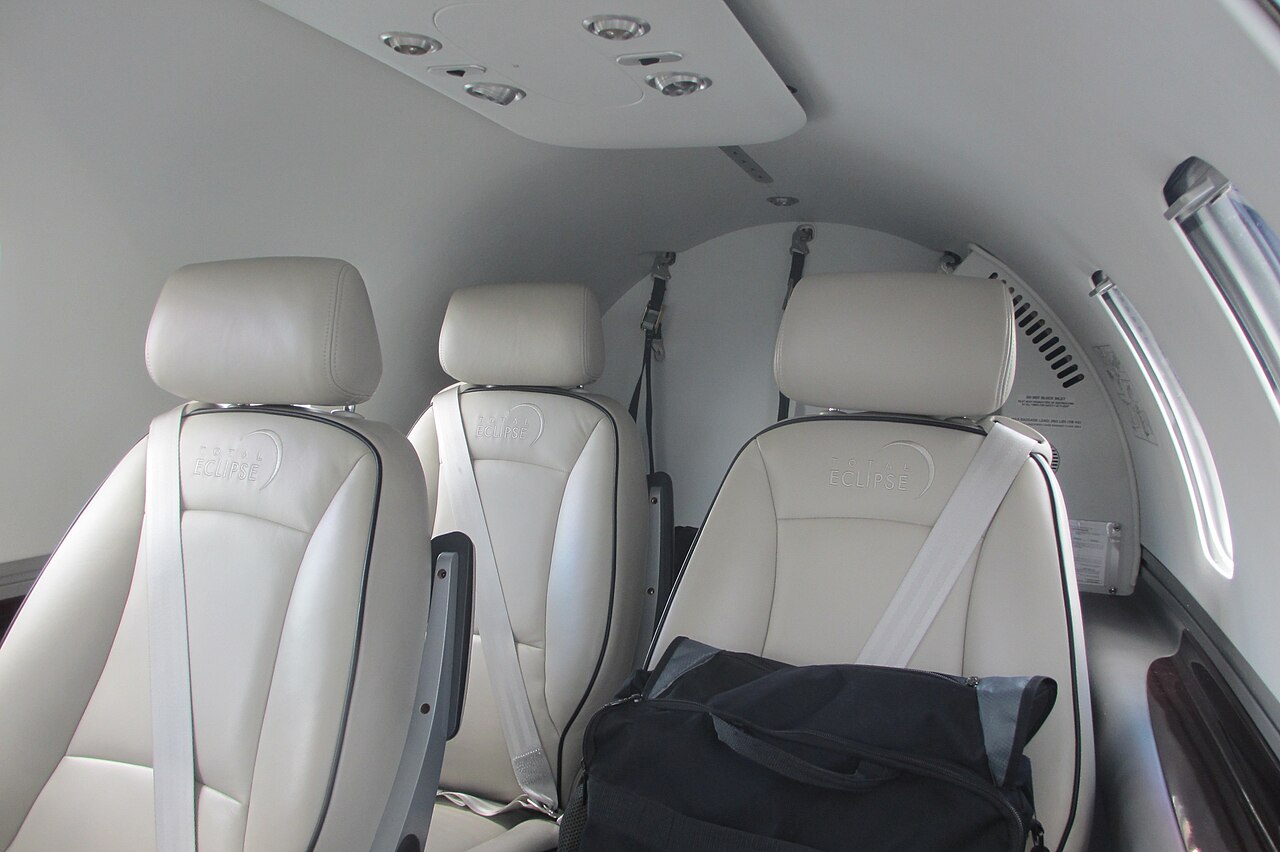
The Eclipse cabin is unambiguously the smallest in charter service. At 4 feet 2 inches tall and 4 feet 8 inches wide, it is a genuinely tight space — comfortable for four occupants including the pilot, but honestly cramped for four adult passengers plus a pilot. Cabin length is 12 feet 4 inches, configured as two forward pilot/passenger seats plus a four-seat club aft, though most charter operators configure the aircraft as one pilot up front plus four club seats behind.

Seats are full leather and reasonably comfortable for the class, if less premium than a Phenom 100EV or M2. The 550 variant adds LED cabin lighting, updated sidewalls and USB outlets at every seat position — modest improvements that bring the cabin up to a serviceable standard.

The Eclipse does not carry a lavatory in any form — passengers are expected to plan their fluid intake around a maximum 90-minute mission profile. Baggage capacity is 16 cubic feet in a small aft compartment plus limited underseat stowage, adequate for four soft-sided weekend bags at absolute maximum.

The Avio IFMS avionics suite is genuinely capable — three-screen glass, synthetic vision, LPV approaches, autothrottles as standard, and single-lever engine control — but its interface is dated by 2026 standards and lacks the polish of Garmin G3000 installations in the M2 or Phenom 100EV.

Performance, range and runway access

Two Pratt & Whitney Canada PW610F turbofans producing 900 lbf each give the Eclipse 550 a maximum cruise of 375 knots true (Mach 0.64) and a normal cruise of 330 KTAS. That is slower than every other charter jet and roughly at parity with the fastest turboprops. Certified ceiling is FL410, above weather and traffic.

NBAA IFR range with four passengers is 1,125 nautical miles. Practical missions: London to Nice (tight), Miami to Nassau, Teterboro to Boston, Chicago to Detroit, Dallas to Austin, LA to Las Vegas. Any longer sector forces a fuel stop.

Runway performance is genuinely exceptional — the Eclipse's headline figure. Take-off field length is just 2,342 ft at maximum weight and landing distance is 2,250 ft, the shortest of any twinjet on the charter market. That opens Nantucket, Block Island, small European regional strips, Alderney, Isle of Man, Le Touquet, and dozens of general-aviation fields no other twinjet can access.

Fuel burn is the aircraft's real distinction: approximately 59 US gallons per hour in cruise, essentially half the Phenom 100EV and roughly a fifth of a King Air 350 turboprop. Direct operating cost sits around $850–$1,050 per flight hour excluding capital — the lowest of any jet in charter service.

Signature missions and best routes

The Eclipse 550 is at its most competitive on short 30-to-75 minute regional missions where the mission length limits the cabin-size deficit and where the fuel-burn advantage over any alternative jet translates directly into lower charter cost. Teterboro to Boston, Miami to Nassau, Chicago to Detroit, Dallas to Austin, LA to Las Vegas, Nantucket ferry legs, London to Le Touquet, Zurich to Munich.

A second cluster of missions plays to the aircraft's short-runway performance and to the psychology of "arrival by jet" over turboprop alternatives: any general-aviation strip within 900 nm where a passenger insists on jet transport. The Eclipse can genuinely go where no other twinjet can, at operating costs a King Air B200 struggles to match.

The Eclipse is unambiguously poor for missions over 90 minutes (no lavatory), for four adult passengers (cabin is tight), for baggage-heavy trips (16 cu ft is not much) and for anything requiring cabin polish or modern connectivity. The aircraft is a tool, not a lifestyle statement.

Operating economics and charter pricing

Charter rates for the Eclipse 550 typically fall between $2,400 and $3,100 per hour in North America and €2,600–€3,300 in Europe — the lowest hourly rate of any twinjet in the charter market. Indicative all-inclusive one-way pricing: Teterboro to Boston from $4,800; Miami to Nassau from $4,200; Chicago to Detroit from $4,400; Dallas to Austin from $3,900; LA to Las Vegas from $3,600.

Empty-leg availability is limited by the small overall fleet size — Eclipse 550s do not run the continuous relocation traffic of a Hawker 400XP or Citation CJ3+ fleet. Flexible clients can occasionally find one-way relocation legs at 35–45 percent of confirmed pricing but should not count on it.

Operating economics are outstanding on paper — 59 gallons per hour, single-pilot, minimal airframe maintenance — but constrained in practice by parts availability, occasional certification-authority questions about long-term type support, and the small number of qualified maintenance shops. Total cost of operation for owners is broadly competitive with high-end turboprops.

How the Eclipse 550 compares

Against the Citation Mustang, the Eclipse 550 offers lower fuel burn (59 vs 80 gph), shorter runway performance and roughly 5–10 percent lower hourly cost, in exchange for a smaller cabin, an even more limited baggage compartment and materially worse service-network support. On absolute-lowest-cost missions the Eclipse wins narrowly; on almost every other measure the Mustang is the better tool.

Against the Citation M2, the Eclipse gives up meaningful speed (330 vs 400 KTAS), range (1,125 vs 1,550 nm), cabin size and avionics generation at 15–25 percent lower hourly cost. On a 45-minute hop the M2's advantages are invisible; on anything longer they compound quickly.

Against the Phenom 100EV, the Eclipse gives up cabin size, avionics polish, lavatory quality and Embraer's service network at 25–35 percent lower cost. Unless price is the single overriding constraint, the 100EV is the more sensible aircraft on almost any mission longer than 45 minutes.

Against a King Air B200 turboprop, the Eclipse offers 100 knots more speed, jet cruise altitude and marginally lower fuel burn at comparable rates. The King Air wins on cabin size, on baggage volume and on genuinely long-range performance. For most passengers the Eclipse feels more premium; for utility missions the King Air is more useful.

Verdict: who should charter the Eclipse 550?

The Eclipse 550 is the right aircraft for two or three passengers on short-hop missions — 30 to 75 minutes — where the priority is arriving in a jet at the absolute lowest possible cost, from short runways no other jet can access, and where cabin size, baggage capacity and lavatory access are all secondary. Its natural clients are cost-driven business travellers on very short regional hops, executives who insist on jet transport for image reasons on short missions, and clients whose destination airport list simply excludes larger jets.

It is not the right aircraft for any mission over 90 minutes, for four-adult parties, for baggage-heavy trips or for clients who value cabin design, modern connectivity or a robust manufacturer service network. It is also constrained by thin fleet availability — most Limitless Sky quotes involving an Eclipse alternative will also include a Mustang or M2 comparison, and the client should decide on the trade-off rather than defaulting to the cheapest number.

Limitless Sky sources the Eclipse 550 through a small US and European partner network. Contact charter@thelimitlesssky.com with your intended sectors — and if a Mustang or M2 fits the same mission for a modest additional cost, we will show that comparison in the same quote.

PHOTO GALLERY

Eclipse 550 — exterior & cabin

Reference photography of the Eclipse 550 (and sister types within the same cabin family where noted). Images sourced from Wikimedia Commons under Creative Commons licences.

EXTERIOR

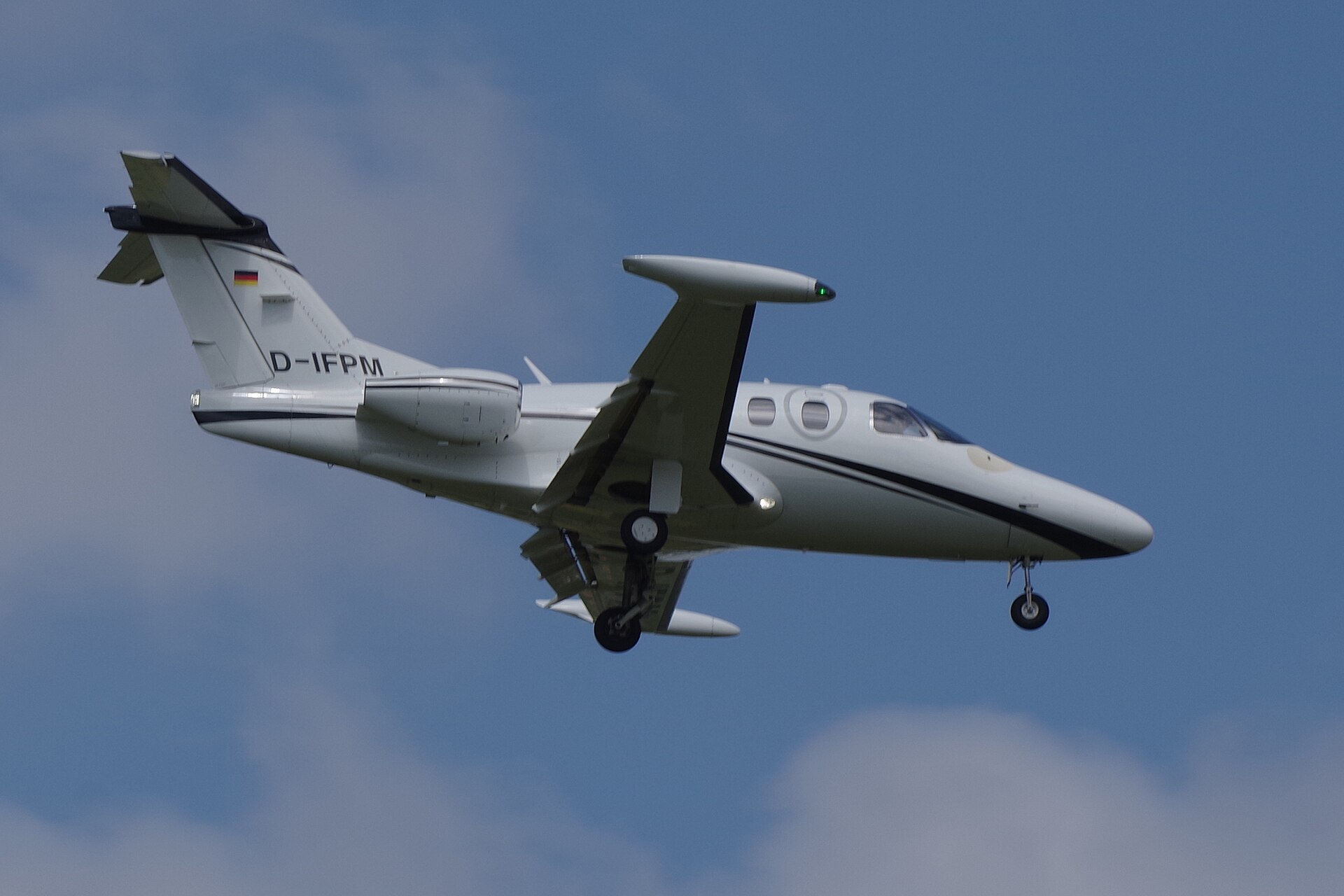
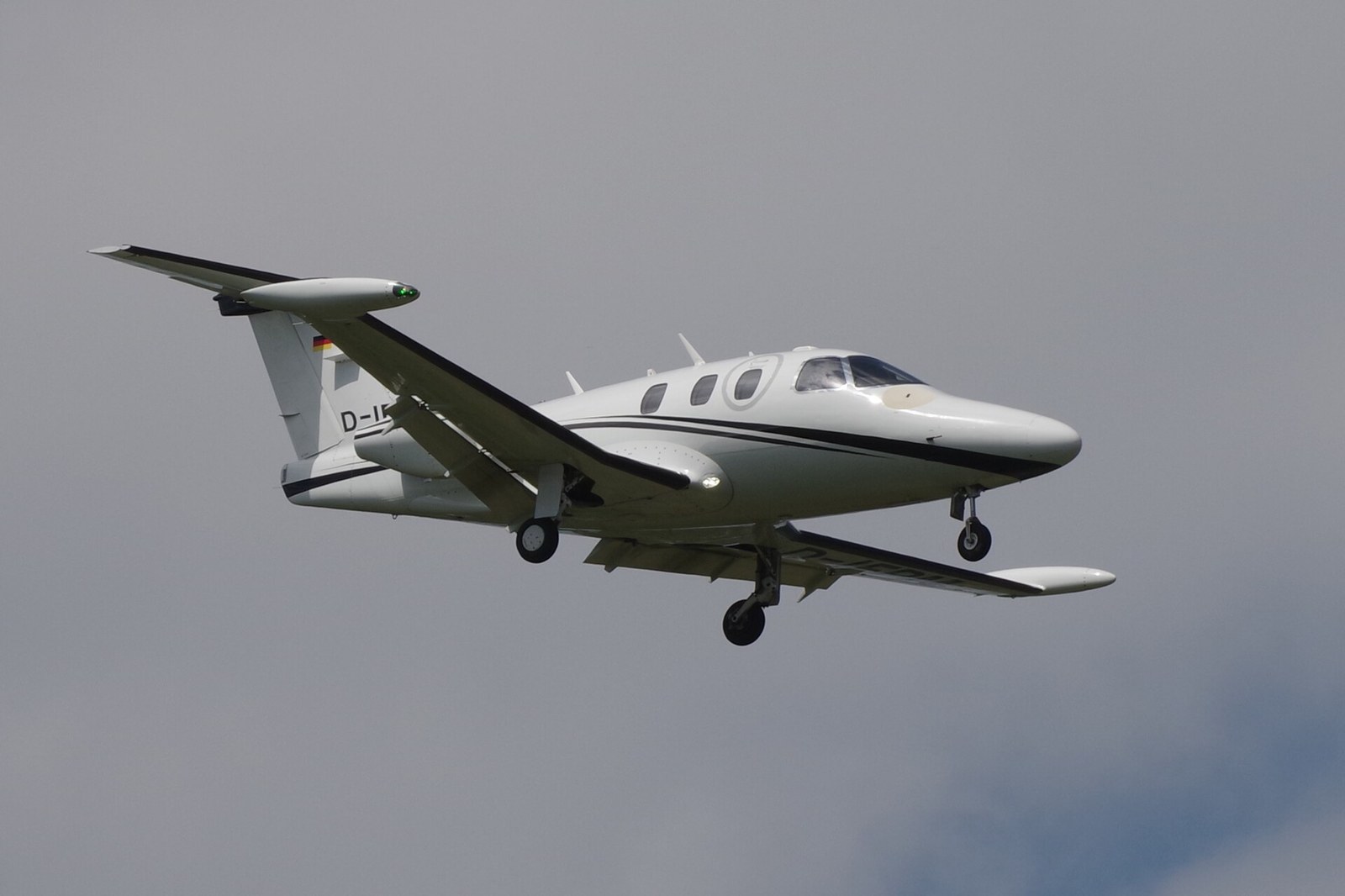
Eclipse 550 D-IFPM
Eclipse 550 D-IFPM · André Gerwing · CC BY-SA 4.0 via Wikimedia Commons
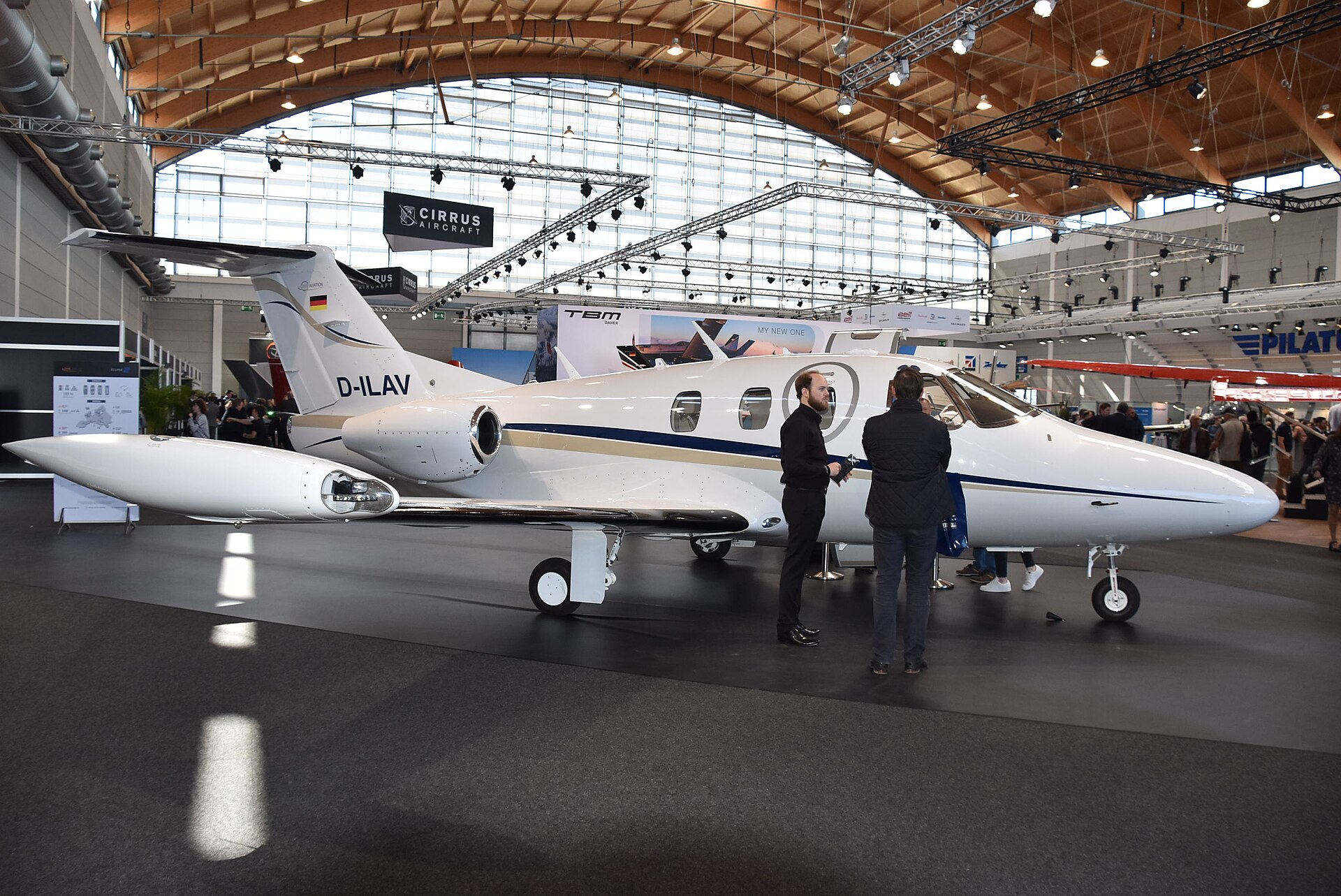
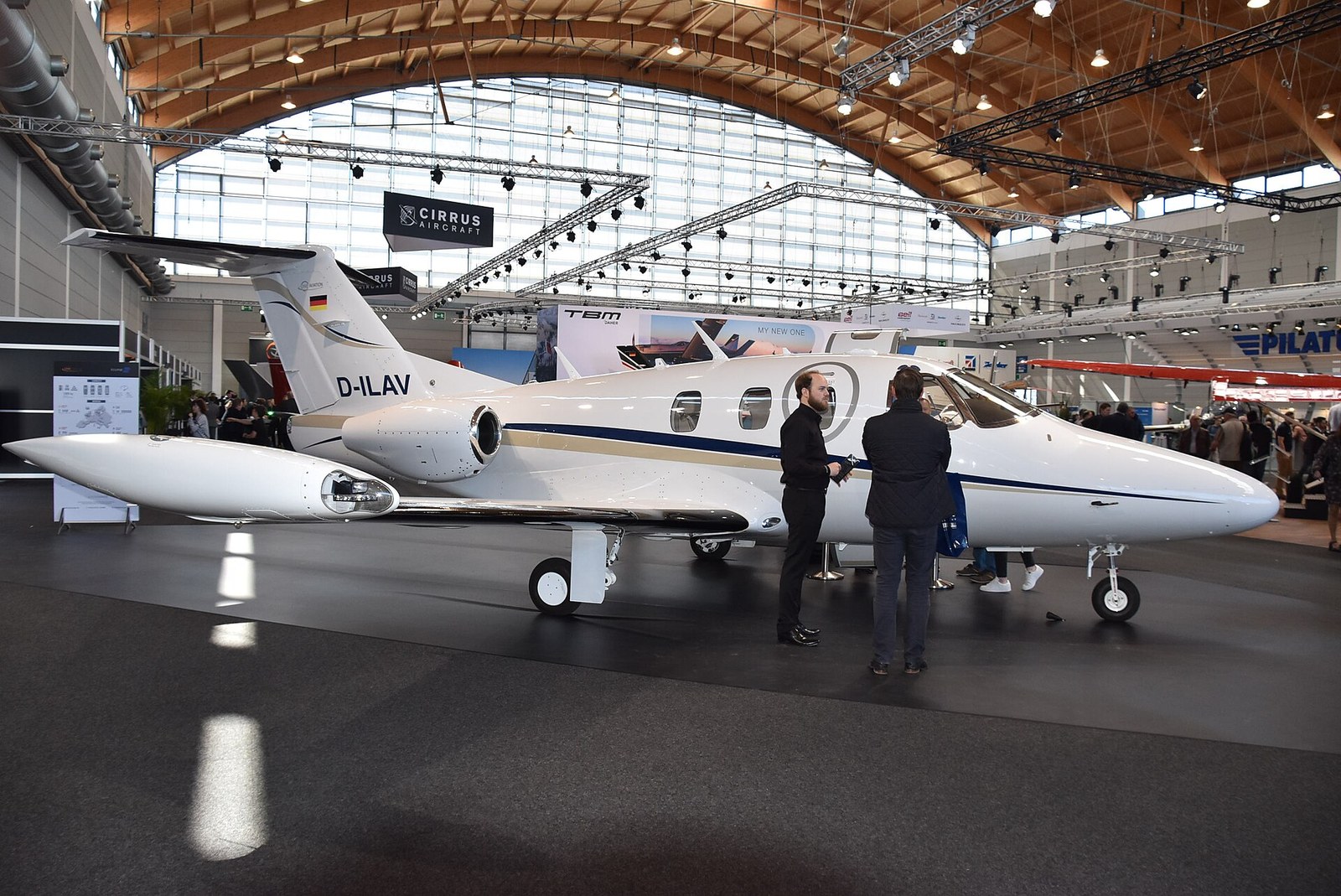
Eclipse 550 D-ILAV
Eclipse 550 D-ILAV · Alec Wilson · CC BY-SA 2.0 via Wikimedia Commons

INTERIOR

SPECIFICATIONS

Eclipse 550 specifications

Passengers4
Range1,125 nm
SpeedMach 0.64
Cabin height4'2"
Cabin width4'8"
Baggage16 cu ft
Runway2,342 ft

CABIN EXPERIENCE

On board the Eclipse 550

  • Four leather seats in club layout
  • No lavatory — sub-90-minute mission profile
  • Small refreshment area

BEST ROUTES

Where the 550 flies best

Teterboro → Boston

from $4,800

Miami → Nassau

from $4,200

BROWSE ALL ROUTES →

CHARTER PRICING

Eclipse 550 charter pricing

ROUTEESTIMATED PRICE
Chicago → Detroitfrom $4,400
Dallas → Austinfrom $3,900

Indicative all-inclusive one-way pricing — aircraft, crew, fuel, handling, catering and taxes. Confirmed quote in 10 minutes.

WHO SHOULD CHARTER THIS

Why choose the Eclipse 550?

The right client profile for the 550: 4 passengers, missions inside its 1,125 nm range, and routes where the light jet cabin size is the sweet spot between cost and comfort.

  • Lowest fuel burn of any charter jet
  • Sub-2,400 ft take-off distance
  • Autothrottles standard

RANGE & LIMITATIONS

What the 550 can — and can't — do

Non-stop range

1,125 nm with typical payload. Missions beyond this figure require a technical fuel stop — expect 30–45 minutes on the ground and a modest re-quote. On strong headwinds or full-cabin days the practical range trims by 5–10%.

Runway requirement

Balanced-field length around 2,342 ft. Rules out very short-strip airfields (Courchevel, Lugano, London City steep-approach) unless the airframe is specifically certified — our ops team validates every airport pairing before we confirm the quote.

Payload & baggage

16 cu ft of hold space with 4 passengers. Ski, golf and dive equipment fit for most parties; larger groups with full luggage should size up one category to preserve the range figure above.

FAQ

Frequently asked

Is Wi-Fi available onboard?

Yes — most aircraft in this class offer high-speed Ka-band or Starlink connectivity suitable for video calls and streaming throughout cruise.

Can pets fly on board?

Pets travel in the cabin alongside their owners on every Limitless Sky charter at no extra charge. Tell us the species and weight when you request a quote.

How quickly can the aircraft be ready?

Once a quote is confirmed, this aircraft can typically be positioned within 2–4 hours anywhere in its home region, and within 24 hours globally.

FURTHER READING

Planning the 550 for business or leisure

SIMILAR AIRCRAFT

Also in Light Jet

HEAD-TO-HEAD

Compare the 550

ALL COMPARISONS →

ECLIPSE 550 CLUSTER

Everything connected to the Eclipse 550

Ready to charter the Eclipse 550?

Quotes in 10 minutes. Aircraft positioned within hours. 24/7, worldwide.

REQUEST A QUOTE
Enquire now