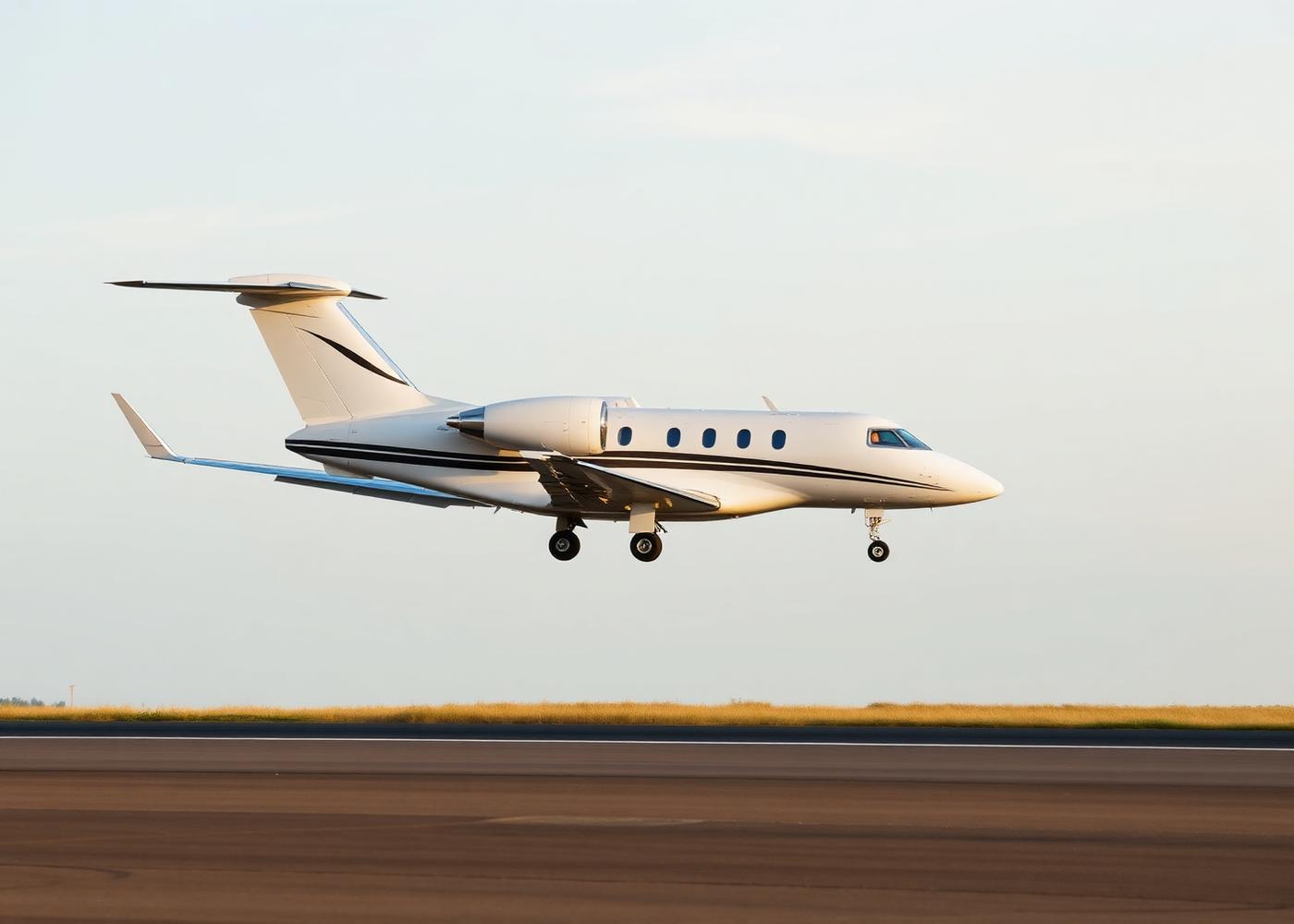
The story behind the Challenger 300
Bombardier launched the Challenger 300 in 2004 as a clean-sheet design intended to define the super-midsize category — a stand-up, flat-floor cabin with genuine transcontinental range and jet-airliner-derived reliability. It succeeded. Over 450 examples were built between 2004 and 2014, when the 350 replaced it, and by end of production the Challenger 300 had become the single best-selling super-midsize aircraft in history — a title the 350 has since extended.
The 300 and 350 share the same fuselage, wing, engines and flight deck architecture; the 350 upgraded winglets, engines (thrust) and cabin. The 300 is now the mature, high-value pre-owned super-midsize option: airframes are priced attractively, operators know the type intimately, and charter clients get 80–90 per cent of a 350 for meaningfully less per hour.
For charter, the Challenger 300 is the price-conscious super-midsize option — the aircraft you charter when the mission demands super-midsize capability but budget does not stretch to a 350, 3500 or Longitude.