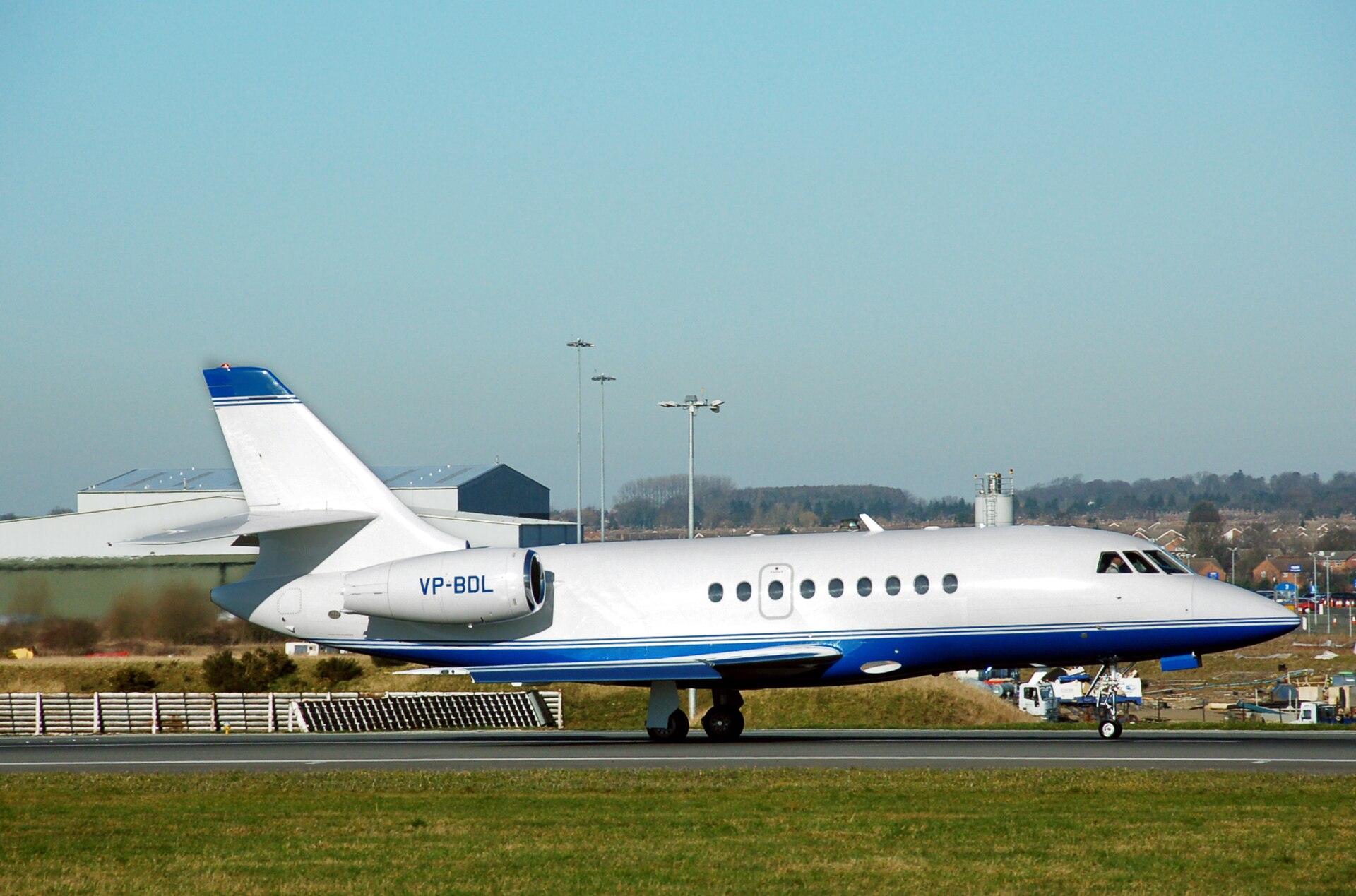
The story behind the Dassault Falcon 2000LXS
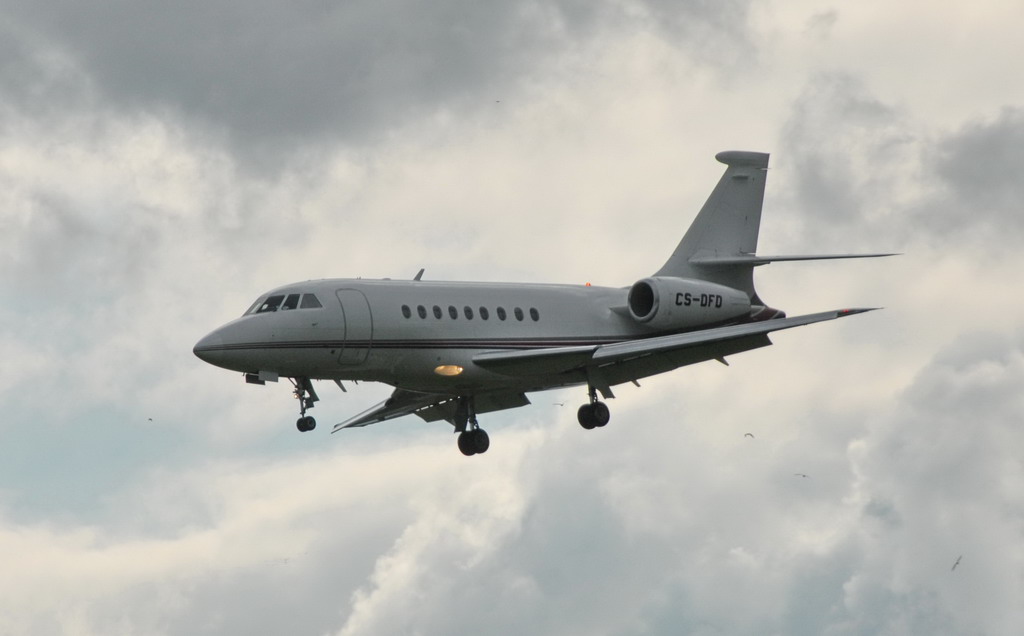
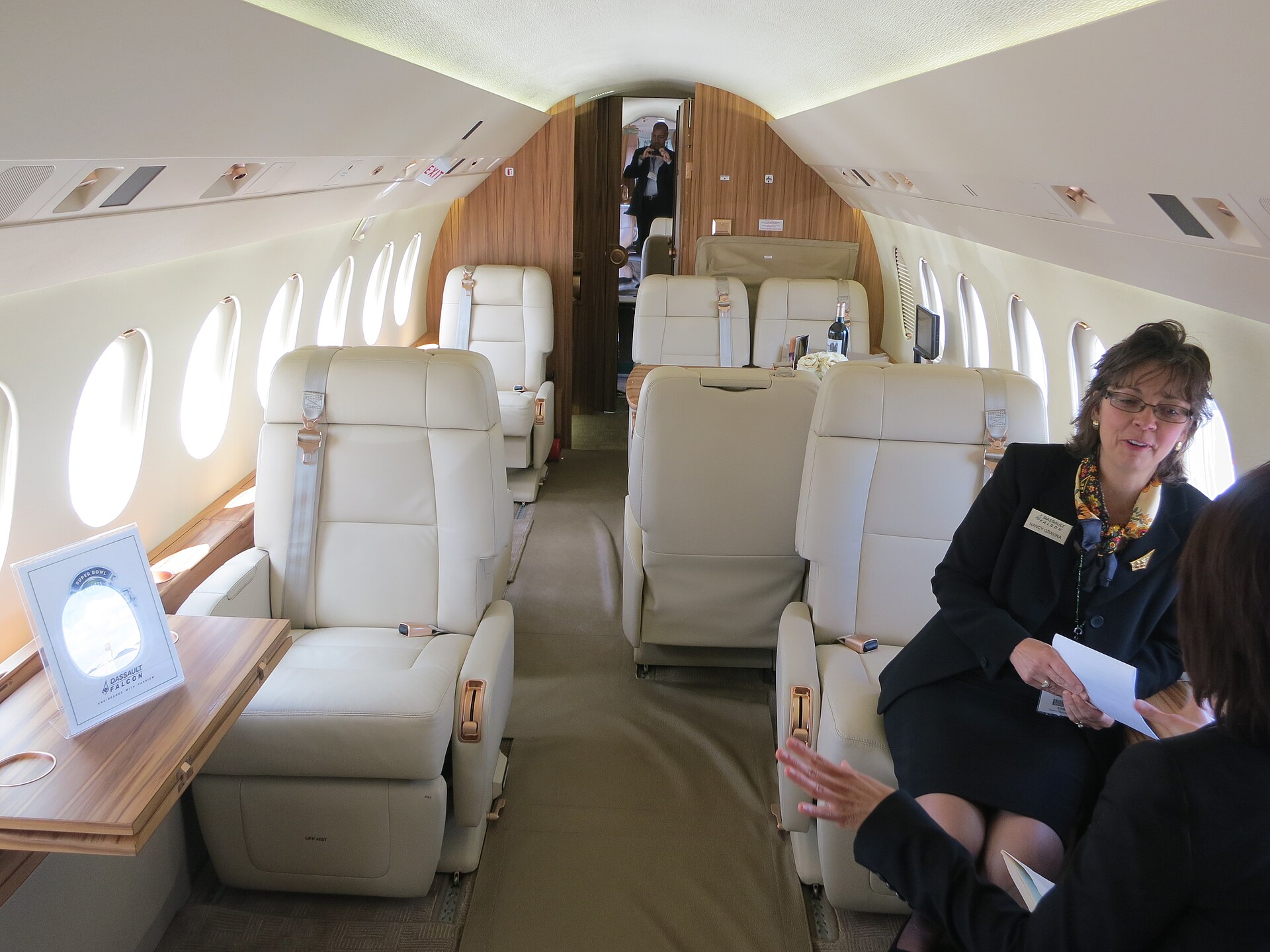
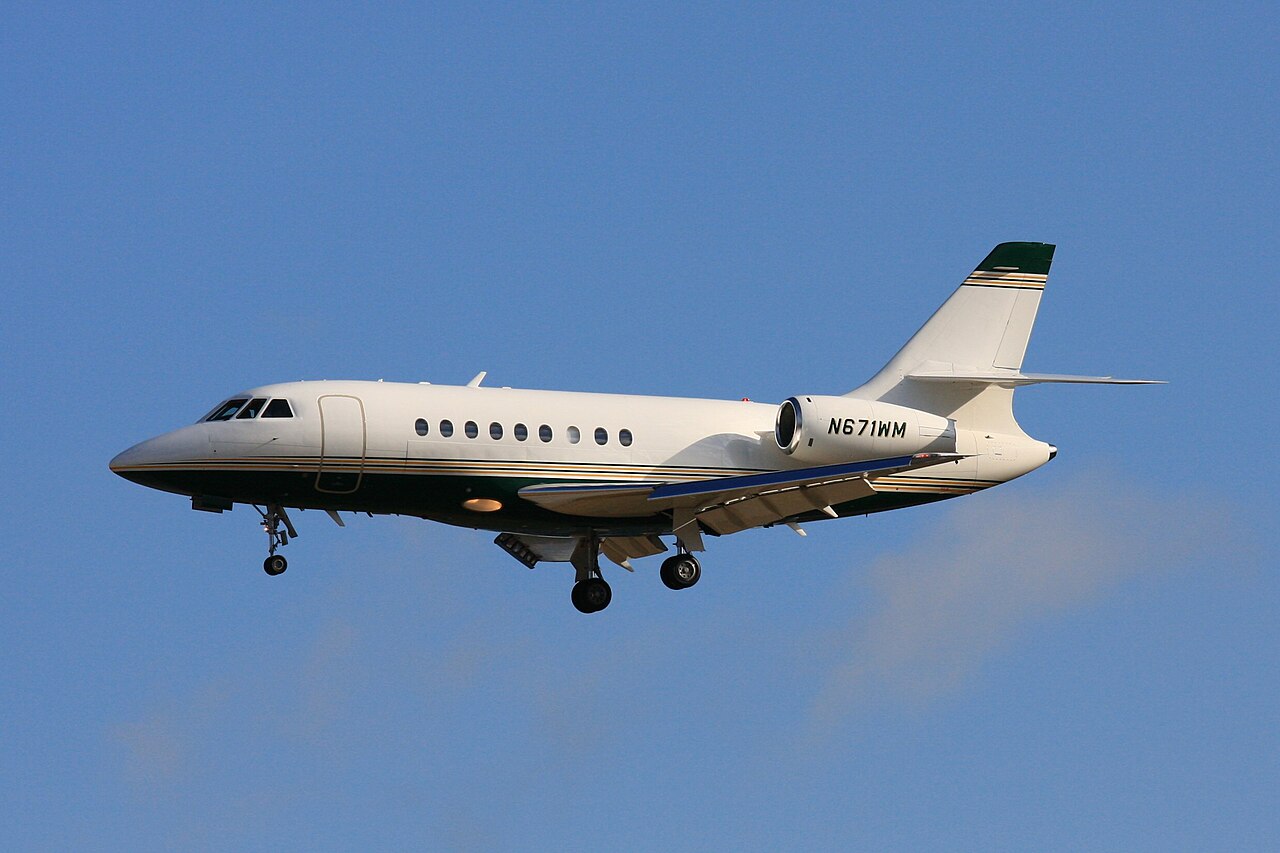
Dassault Aviation's lineage in business aviation stretches back to Marcel Dassault's conviction that the discipline required to build a Mirage fighter jet should, by rights, produce the finest executive transport in the sky. The Falcon 2000 family, introduced in 1994 as a twin-engine successor to the trijet Falcon 900, carried that conviction forward into a more economical package without sacrificing the cabin width or build quality that had made the 900 a benchmark. Over the following two decades, Dassault refined the platform through successive variants, each adding range, efficiency, or handling capability.
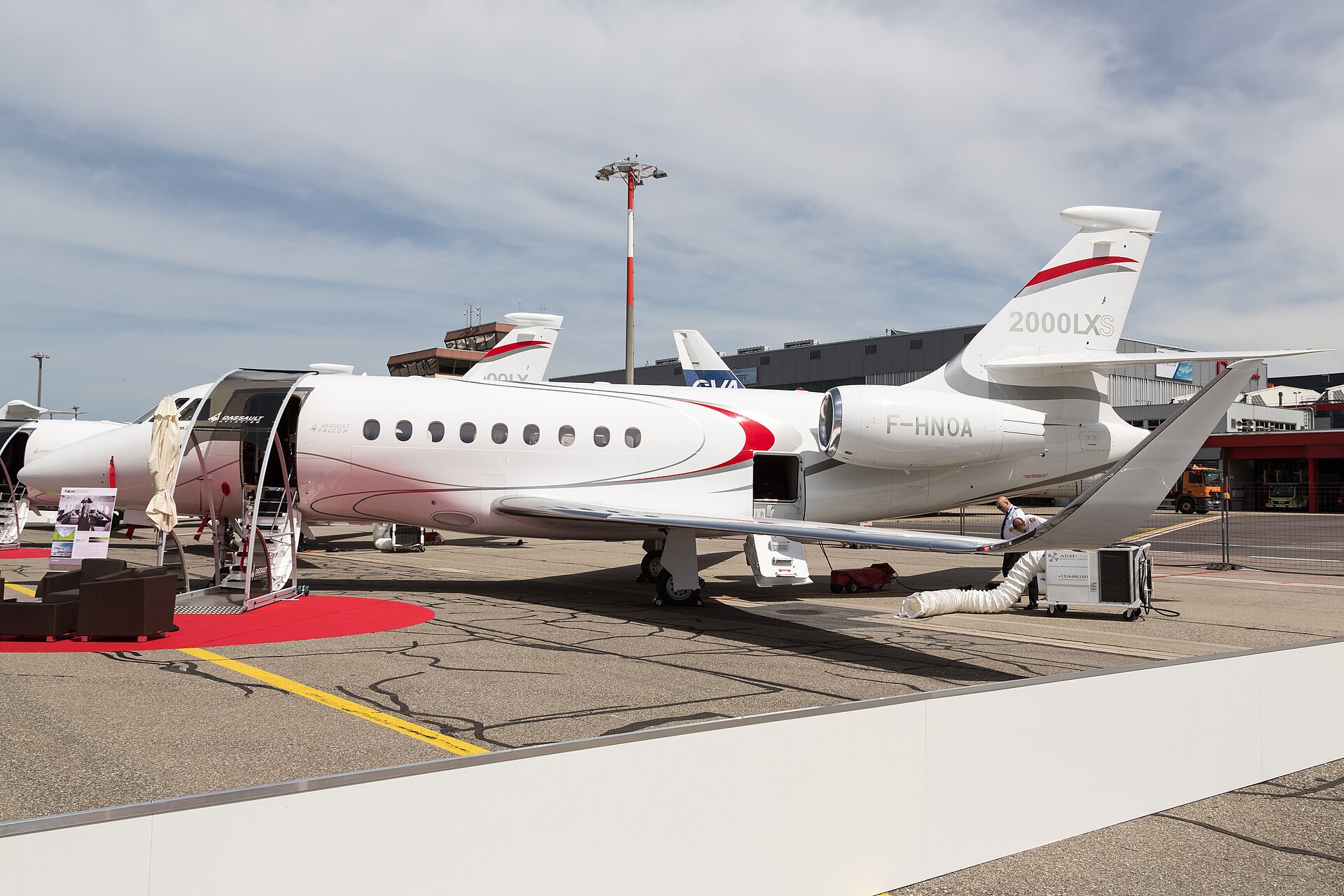
The 2000LX, launched in 2007, stretched the aircraft's legs to 4,000 nautical miles through winglet integration and increased fuel capacity. Then, in October 2012 at the NBAA convention in Orlando, Dassault unveiled the 2000LXS — a definitive synthesis of the LX's transatlantic range and the 2000S's exceptional short-field performance. Full-span inboard leading-edge slats, combined with optimised aerodynamics and Pratt & Whitney Canada PW308C engines running on FADEC, gave the LXS the ability to operate from runways as short as 4,800 feet at maximum take-off weight. First customer deliveries followed in 2013.
The EASy II flight deck — developed with input from line pilots rather than purely from engineering teams — sits at the heart of the aircraft's operational story. Its intuitive human-machine interface reduces crew workload substantially on long sectors, while the optional FalconEye Combined Vision System fuses synthetic and enhanced vision imagery to enable approaches in visibility conditions that would ground competing aircraft. By the time production of the LXS reached maturity, more than 140 frames had been delivered worldwide, cementing its reputation as the most versatile aircraft in the large-cabin twin category.