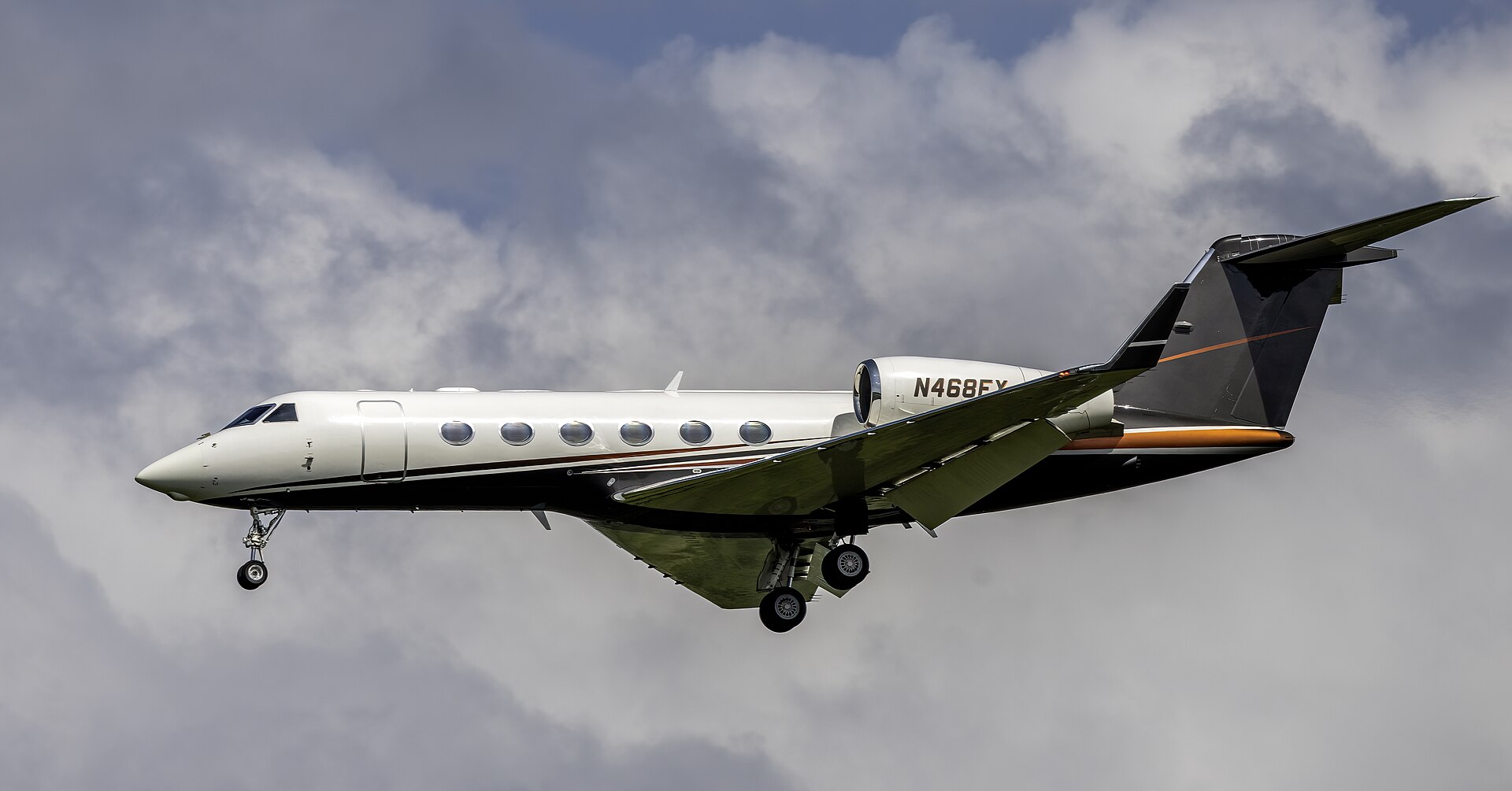
The story behind the Gulfstream G450
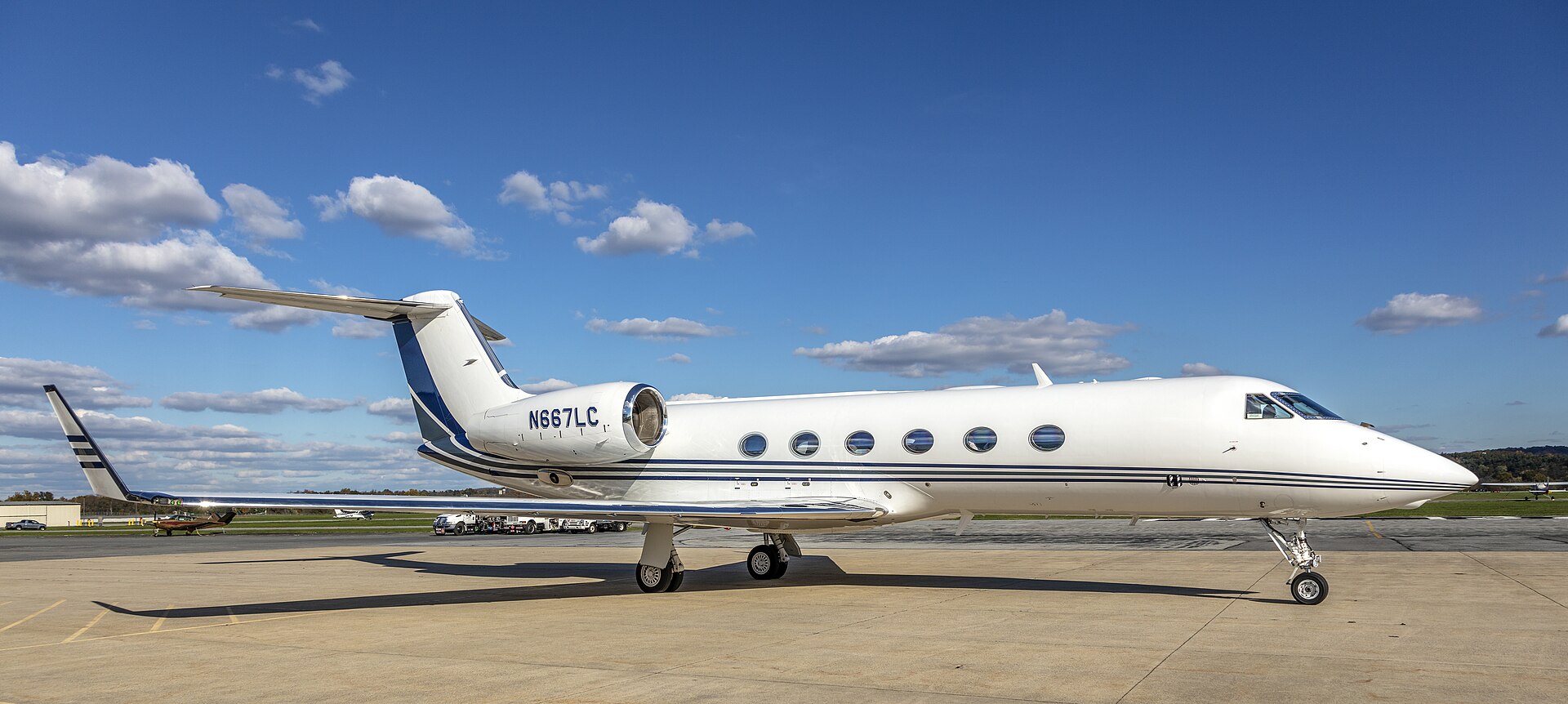
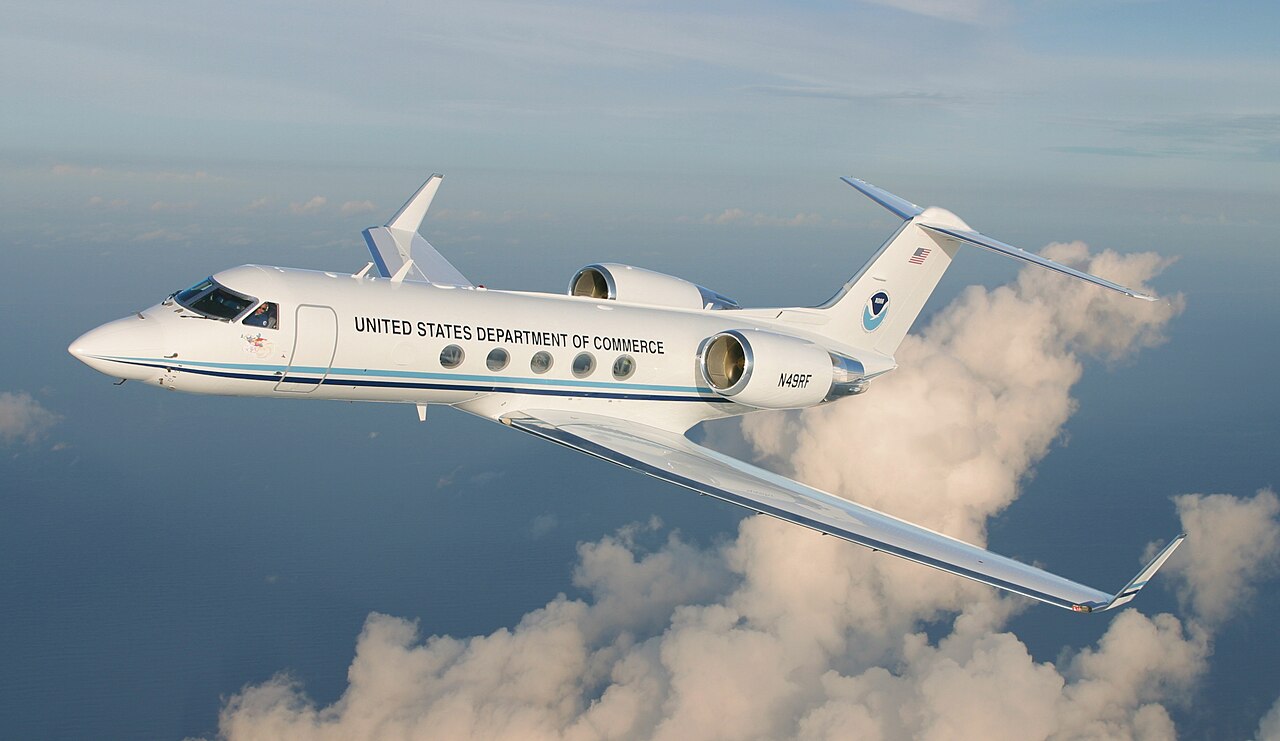
The Gulfstream G450 carries within it one of the most distinguished bloodlines in aviation. Its ancestry runs directly from the original Grumman Gulfstream I, the turboprop executive transport that entered service in 1958 and established a template for comfortable, high-speed business aviation that competitors have spent seven decades attempting to replicate. Through the GII, GIII, GIV, and GIV-SP, Gulfstream refined and extended that lineage; the G450, certified by the FAA in August 2004 and by EASA in November of the same year, was the definitive expression of that evolution before the company moved to an entirely new airframe architecture with the G500.
Development of the G450 began formally in 2001, running in parallel with the G550 programme. Where the G550 was engineered as an ultra-long-range platform, the G450 was positioned as a transcontinental and intercontinental heavy jet offering the same Rolls-Royce Tay 611-8C turbofan reliability and the same PlaneView cockpit philosophy in a somewhat shorter fuselage. The PlaneView flight deck, featuring Honeywell Primus Epic avionics, a head-up display, and an Enhanced Vision System drawing on an infrared forward-looking camera, was the most advanced integrated cockpit in business aviation when it entered service — a distinction that significantly raised operator safety margins, particularly during low-visibility approaches.
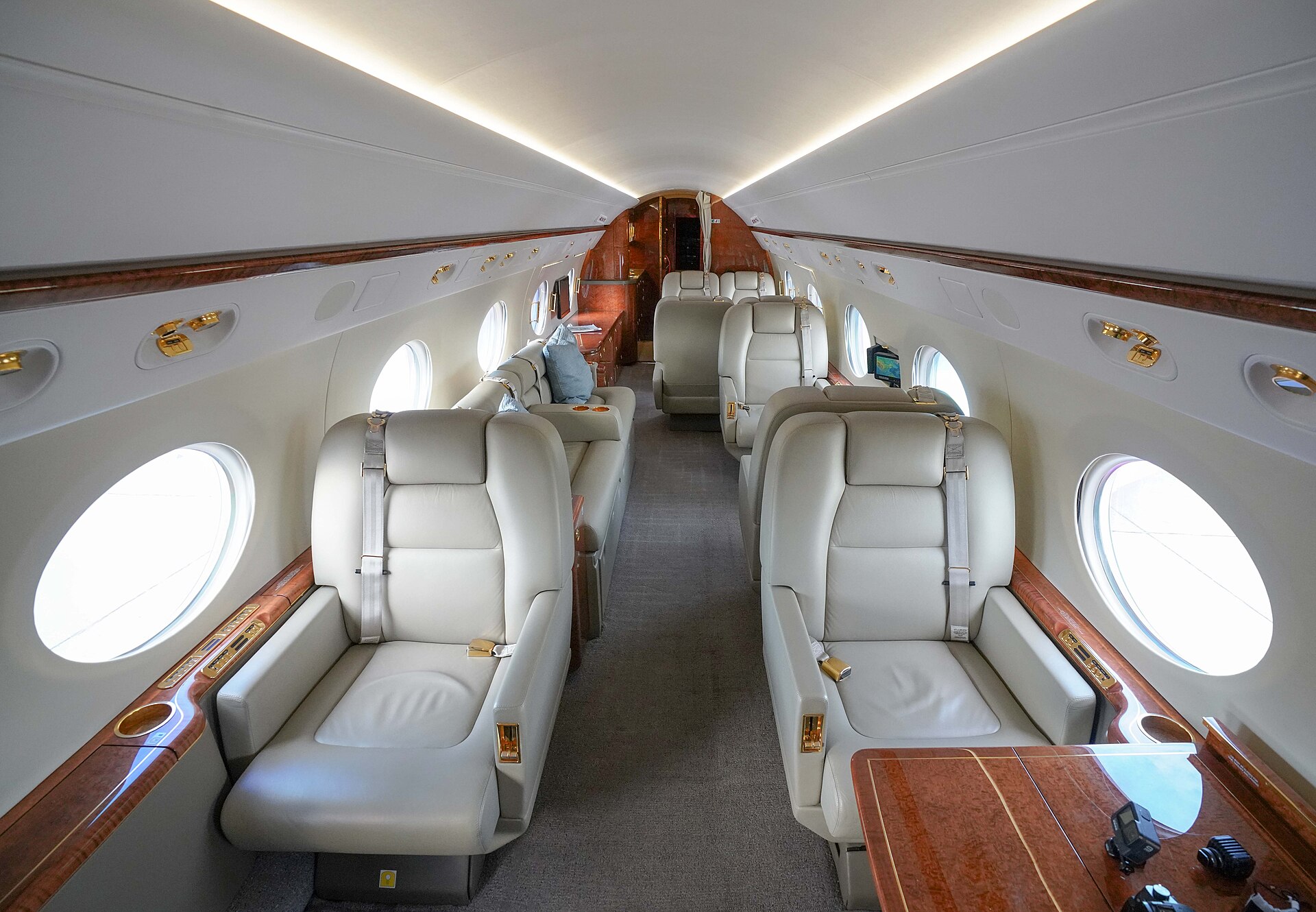
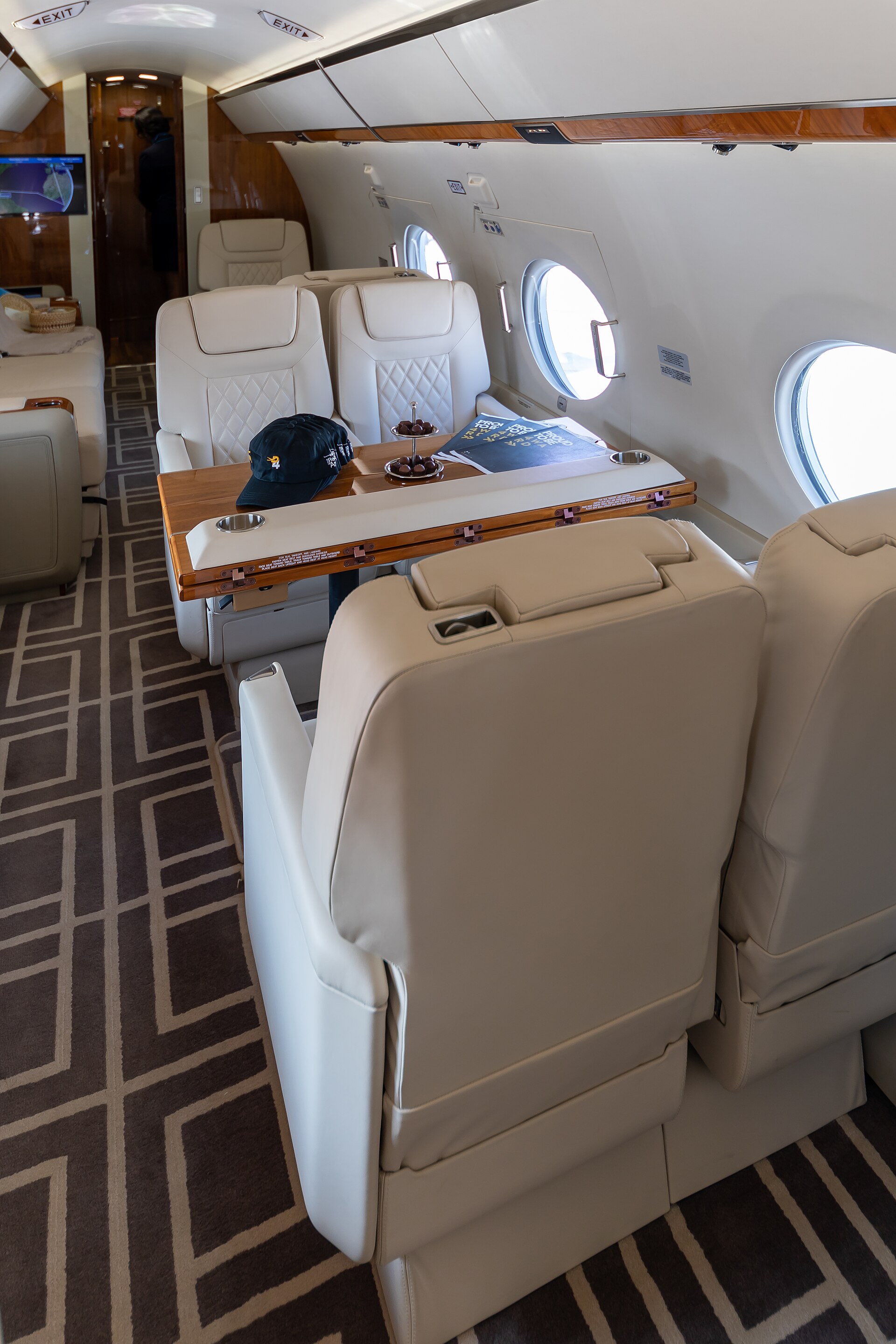
Production ran for 13 years, with approximately 366 aircraft delivered by the time the line closed in 2017. The G450 was replaced in the Gulfstream catalogue by the GVII-G500, a significantly more capable aircraft, but the G450 fleet remains large, well-supported, and actively chartered globally. Its combination of proven reliability, established parts support, and a large cabin that can genuinely be configured for three distinct living zones keeps it firmly relevant for heavy-jet charter operators.