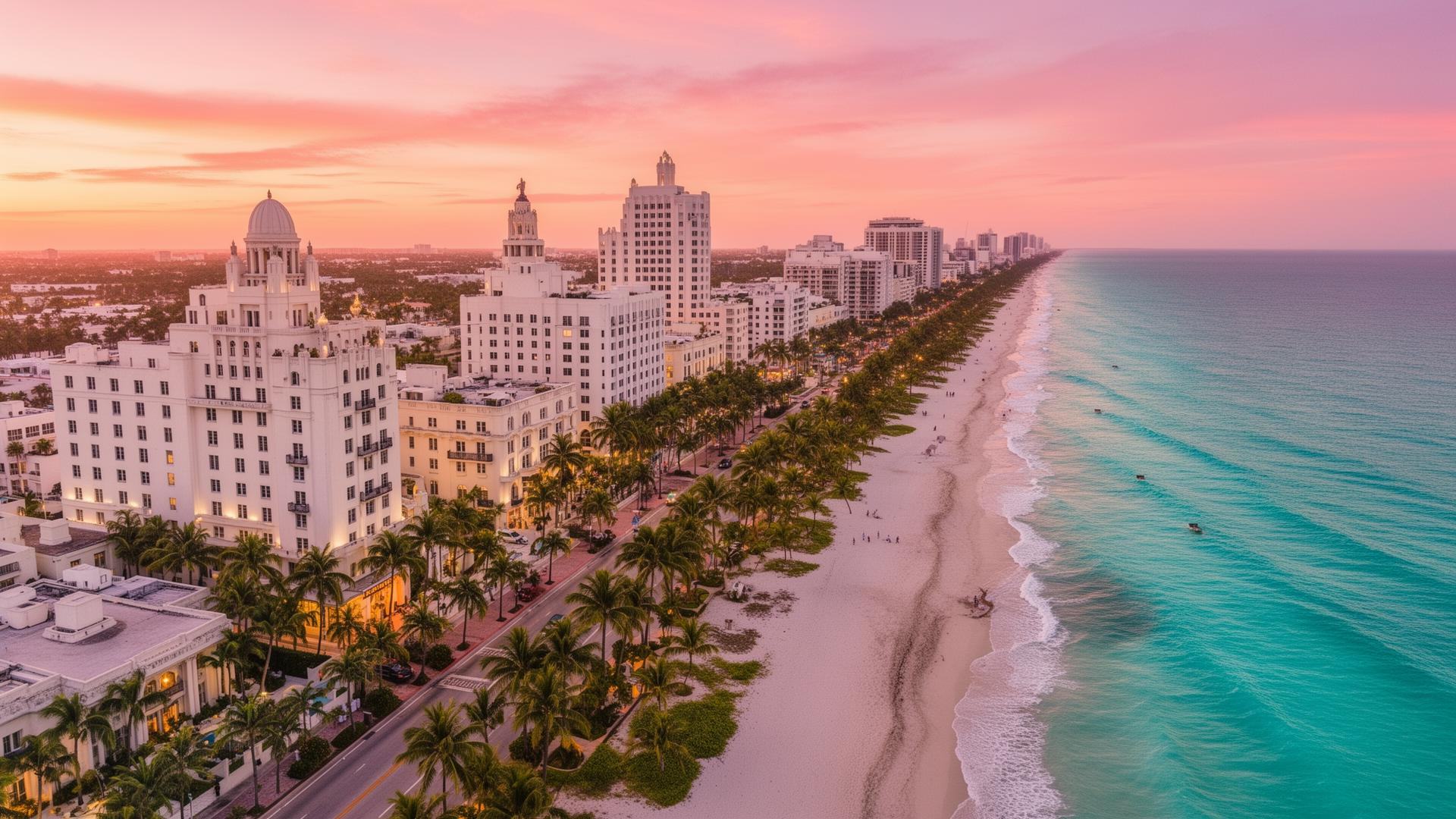
Turks and Caicos is one of the easier Caribbean escapes to reach by private jet. Almost every charter we plan lands at Providenciales International (PLS, ICAO MBPV), a short drive from Grace Bay, and the hop from South Florida is roughly as long as a drive across a large city. The useful work is choosing the right cabin, the right Florida or Northeast departure field, and a customs plan that still works on the way home.
The short answer
Fly the jet into Providenciales International (PLS / MBPV). It is the main international gateway and the field that handles nearly all private traffic to the islands. Dedicated private-aviation handling sits on the field, with customs and immigration typically processed through the FBO, so passengers usually go from aircraft to car in minutes once the paperwork is already in order.
From South Florida the sector is a light-jet or midsize conversation. From the New York area it is usually a midsize or super-midsize nonstop. From the West Coast, plan on a large-cabin aircraft if you want to stay nonstop. Tell us the departure airport, passenger count, bags and dates. We come back with an all-in quote — aircraft, crew, fuel, handling and landing — in about 10 minutes, 24/7.
If the dates can move by a day, check current empty-leg flights at the same time. Aircraft that drop clients in the Caribbean often return empty toward Florida and the Northeast. A repositioning leg is usually the cheaper way to fly private when your plans are flexible. It is a specific aircraft on a specific day, so we treat it as an option beside a firm on-demand quote, not as a fare you can hold for any Saturday you prefer.
Where you land: Providenciales (PLS)
PLS is the airport to plan around. Our airport record lists it as Providenciales International, ICAO MBPV, in the Turks and Caicos Islands. The runway is long enough that the normal charter conversation runs from light jets through large-cabin aircraft. That is the practical difference between this trip and a St Barts arrival: the jet lands on the island you are visiting.
Private arrivals use the business-aviation side of the field. Our handling notes for MBPV list Business Aviation Ltd. and Pike Aviation among the handlers on the airport, with catering placed through the handler. The operator assigns the FBO for the tail we contract, and we confirm that choice before you travel so the car meets the right ramp.
Grace Bay is a short ground transfer from the airport. Villa programs farther along the island, or on the outer cays, need that drive or a boat connection built into the arrival time. Send the property address with the quote request so we can size the car against passengers and bags.
Smaller strips exist for island-hopping — Grand Turk, North Caicos and South Caicos among them. Those are turboprop missions, not the default answer to a private jet into Turks and Caicos. If the stay is actually on another island in the chain, say so at the start. We keep the jet at PLS, which can take it, and look at a short onward hop only when the property requires it. For a week that also touches other Caribbean runways, the Caribbean island-hopping guide sets out which islands take a jet and which ones force a smaller aircraft.
Our fee notes flag a winter high-season handling surge at Providenciales. That is a planning signal, not a published tariff: peak weeks can tighten ramp space and handler availability even when the runway itself is open. Booking the aircraft and the FBO slot together is how you avoid a jet that can fly and a ramp that cannot take it.
Approximate flight times
Block time is airborne time plus a little taxi. Winds, the specific aircraft, payload and the departure slot all move it. The ranges below are planning figures we use on the desk, not a filed flight plan and not a guarantee for every tail.
| From | Approximate block time | Usual category |
|---|---|---|
| Miami, Fort Lauderdale or Opa-locka | about 1 h 30 – 1 h 50 | Light or midsize jet |
| Palm Beach | about 1 h 45 | Light or midsize jet |
| New York area (Teterboro, Westchester) | about 3 h – 3 h 30 | Midsize or super-midsize |
| Chicago | about 3 h 45 | Super-midsize |
| Los Angeles | about 6 h | Large-cabin or heavy |
South Florida is the core corridor. A light jet usually covers Miami-area fields to PLS with a modest cabin and modest bags. Step up when the party is larger, the luggage is hard cases and dive gear, or you want a stand-up cabin for a short sector that still feels like a trip. Our Palm Beach to Turks and Caicos route page is the published corridor closest to that Florida hop; use it for airport pairing, and treat any clock time on it as approximate in the same way as this table.
The New York area is a different aircraft decision. About three to three and a half hours is a comfortable nonstop in a midsize or super-midsize jet, with room for golf bags. A light jet can be range-limited once reserves, a headwind and a full cabin are counted, so we confirm the specific tail before we call the sector nonstop. Teterboro and Westchester are the usual departures; pick the one that matches which side of the city you leave from.
Chicago at about three hours and forty-five minutes is typically a super-midsize sector. Los Angeles at about six hours is a large-cabin or heavy-jet plan if you want to stay nonstop. The Florida hop sits inside a normal crew duty day. A West Coast nonstop needs the operator’s duty rules checked before anyone promises a same-day return.
Choosing an aircraft
Category follows the city pair, the headcount and the bags. It does not follow the resort. Paying for a heavy jet on a Miami weekend because the destination sounds long-haul is usually wasted cabin.
- Light jets suit about four to six passengers from Florida when the luggage is modest. This is the natural shape of a long weekend out of Miami, Fort Lauderdale or Opa-locka.
- Midsize and super-midsize jets are the usual nonstop from the New York area, and they are the comfort step-up from Florida when the cabin has to absorb golf bags, dive gear or a family that wants to stand up.
- Large-cabin jets are for West Coast nonstops, bigger groups, or a trip that continues onward after Turks and Caicos and needs the range in the same aircraft.
Hourly bands by category live on our private jet charter cost per hour guide. They orient the conversation. They are not a Turks and Caicos fare. The number that matters is the all-in trip quote: the aircraft you actually get, whether it is already in position, fuel, crew duty, handling at both ends, and whether the jet waits on the island or flies home empty. We show one-way and round-trip shapes before you choose. A jet that sits at PLS for a week costs parking and crew time. A jet that leaves empty after drop-off puts that return positioning into the one-way price. Neither is a surprise fee if it is on the quote.
Bags decide more quotes than people expect. A light jet that looks right for four adults fills up once everyone brings a hard case and a set of clubs. Send the bag count with the request. Pets and car seats belong in that first message too, because the operator has to accept them on that specific tail.
Customs, documents, and timing
Every traveller needs a valid passport. Turks and Caicos requires completed entry formalities, which the operator or the FBO usually coordinates before arrival. Names on the manifest need to match the passports. Send document details when you confirm, not on the morning of departure, so the handler can file what the islands ask for.
On the way home, a US-bound flight clears US customs at an airport of entry. That stop is often a South Florida gateway, and the operator builds it into the routing and the duty day. Some Caribbean itineraries clear before departure instead. Our route notes mention Providenciales alongside Nassau, Eleuthera and Exuma as a field where US pre-clearance can apply, which would let the aircraft re-enter the United States as a domestic arrival. Treat that as something the operator confirms for your date and your tail. Pre-clearance hours, eligibility and whether your specific flight can use them are not identical every week.
If anyone in the party is not a US citizen, say so early so visa or electronic-travel questions are settled before departure. Arrival timing is part of the same plan: a landing that looks fine in Florida can be tight if PLS handling is busy or a boat transfer still follows immigration. Moving the departure a little earlier is cheaper than missing the connection on the island.
Peak weeks and when to book
Winter holidays and spring break are the busy periods on this route. Florida-based aircraft are already working the Caribbean, Northeast families book the same weeks, and PLS handling feels the surge our fee notes describe. Book the aircraft and the FBO slot early if those weeks are fixed. Waiting until the holiday is close means choosing from what is left in position, which is often a larger cabin than you need or a departure field that adds a positioning leg.
Outside those peaks, a short-notice Florida departure is often realistic when a suitable jet is already in South Florida. An aircraft that must position in from somewhere else is a different quote, and we show that separately. Saturday arrivals in a holiday week are when ramp plans get crowded; if you can shift by half a day, say so. In summer and autumn, ask what the contract says about weather before you pay a deposit. Operators price that risk into cancellation terms.
Empty legs and one-way demand
A lot of aircraft fly back toward Florida and the Northeast empty after dropping clients in the Caribbean. That empty return is the inventory behind an empty leg. When your dates, direction and airport pair line up with a trip an operator is already flying, the seat on that repositioning leg is usually the cheapest way to fly private on this route.
Search live empty legs and, if you want a watch rather than a one-time look, set an empty-leg alert. Our empty leg versus charter cost page explains how a flexible empty leg compares with a locked on-demand charter. The practical rule on this desk is simple: keep a firm quote as Plan A, and take an empty leg only when the operator, the tail and the all-in price are confirmed for your actual airports.
Empty legs favour flexible dates. A fixed Saturday in Christmas week rarely matches a repositioning flight that leaves on the operator’s schedule. Travellers who can shift a day, or who can use Fort Lauderdale instead of Miami, see more of them. One-way trips work the same way: we look for an aircraft that already has a reason to be in the islands afterward. The empty leg is still a charter. Passports, customs and the bag count still apply to whatever tail is repositioning.
Planning from your departure city
The destination airport stays PLS. The departure airport is where the trip gets easier or harder.
New York area. Teterboro is the usual private gateway for Manhattan. Our Teterboro airport guide and Teterboro private jet charter page cover the FBOs and the drive from the city. Westchester is the better fit for some northern suburbs. Either way, plan about three to three and a half hours and a midsize or larger jet, and tell us which side of the river you actually leave from so we do not add an hour of car to save ten minutes of flight.
South Florida. Miami private jet charter is the hub page for Miami-area departures. Opa-locka, Miami Executive and Fort Lauderdale Executive often beat a mainline Miami departure for a private flight, when the aircraft and the customs plan allow it. The airborne time to PLS stays in that roughly ninety-minute to just-under-two-hour band. The car to the FBO is what changes.
Palm Beach. About an hour and forty-five minutes, light or midsize, on the Palm Beach corridor. It is a natural winter pairing because so many of the same aircraft already shuttle between Palm Beach and the islands.
Chicago and Los Angeles use the same arrival airport. They need a larger category and the longer block times in the table above. From any other city, send the airport you prefer and we will say whether a nearby general-aviation field saves time on the ground.
Combining islands
Turks and Caicos is often one stop on a longer warm-weather week. Two published corridors we use as comparisons:
- Miami to the Bahamas by private jet — a shorter hop into Nassau, Eleuthera or Exuma, useful when the Bahamas is the real destination or the first stop. See private jet to the Bahamas for NAS versus the Out Island airports of entry.
- Miami to St Barts — a longer sector, and a different aircraft plan on arrival, because the jet does not land in St Barts itself.
The magazine companions are private jet to St Barts, private jet to Barbados, private jet to Cancun and private jet to Cabo. St Barts is the one to read if someone in the group expects to land a Gulfstream on the island. Barbados is the one when the jet lands on the island and the trip may continue to Mustique. Cancun and Cabo are the Mexico versions of the same broker question: which field, which cabin, what the empty legs look like.
If the itinerary is several islands in one week, keep the long-range jet at a field that can take it — Providenciales is one of those fields — and use a smaller aircraft only for the islands that require it. Repositioning a heavy jet every day for twenty-minute hops is how these trips get expensive and how crew duty runs out.
Booking with Limitless Sky
We are an independent broker with no fleet of our own, so the quote is whatever the market can actually crew for your dates. The sequence we use for Providenciales:
- Send the departure city or airport, PLS as the arrival, dates, passenger count and bag count through the quote desk.
- We return all-inclusive options in the category that fits the sector — light from Florida, midsize or super-midsize from the Northeast, large-cabin when the range needs it.
- If you want, we watch empty legs on the same corridor while you decide.
- You confirm the tail. We contract the operator, coordinate the PLS handler, and line up the car for the Grace Bay or villa transfer.
Limitless Sky is an NBAA member. Flights are operated by licensed direct air carriers with operational control of the aircraft. The quote names the operator before you pay. If a detail in this guide is more specific than your dates can support — a light-jet nonstop, a pre-clearance plan, an empty leg — the quote is where that gets confirmed or replaced with a plan that does work.
Frequently asked questions
- How long is a private flight from Miami to Turks and Caicos?
- About one and a half to two hours of block time from Miami, Fort Lauderdale or Opa-locka. Winds and the specific aircraft move that within the range; it is a planning figure, not a scheduled block.
- Can I fly nonstop from New York?
- Usually yes, in a midsize or larger jet, about three to three and a half hours from Teterboro or Westchester. We confirm the specific tail before calling a light jet nonstop, because reserves and a full cabin can change the range.
- Which airport do private jets use?
- Providenciales International (PLS / MBPV). It is the main gateway and the field that takes light jets through large-cabin aircraft. Smaller strips in the islands are for turboprop hops, not the default jet arrival.
- Is there a cheaper way to fly private?
- Look at empty legs and one-way repositioning flights when your dates can move. Search live availability and keep an on-demand quote as the backup. A fixed holiday Saturday rarely matches an empty leg.
- Do I need a passport?
- Yes. Every traveller needs a valid passport, and the operator or FBO coordinates Turks and Caicos entry formalities before arrival. On the way home, US customs is cleared at an airport of entry, which the operator plans into the routing.
- When should I book?
- Book early for winter holidays and spring break, when aircraft and PLS handling are both busy. Outside those peaks, short-notice departures from South Florida are often possible when a suitable jet is already nearby.