
The story behind the Gulfstream G700
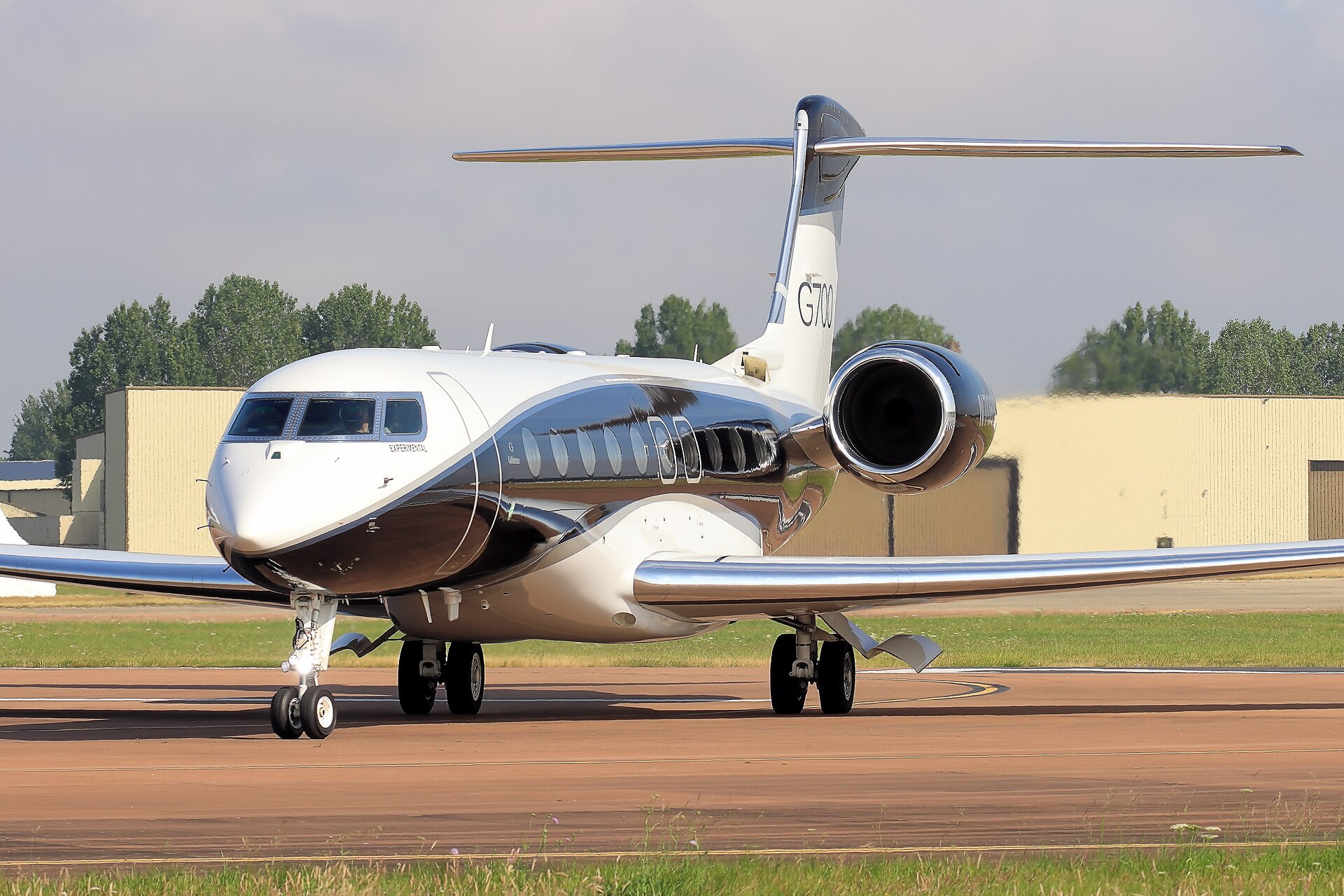
When Gulfstream Aerospace unveiled the G700 at the National Business Aviation Association convention in Las Vegas in October 2019, the industry sat up and took notice. Here was a manufacturer that had already defined the ultra-long-range category with the G650 and G650ER, yet was choosing to raise the bar still further — not incrementally, but with an entirely new airframe built from a clean sheet of ambition.
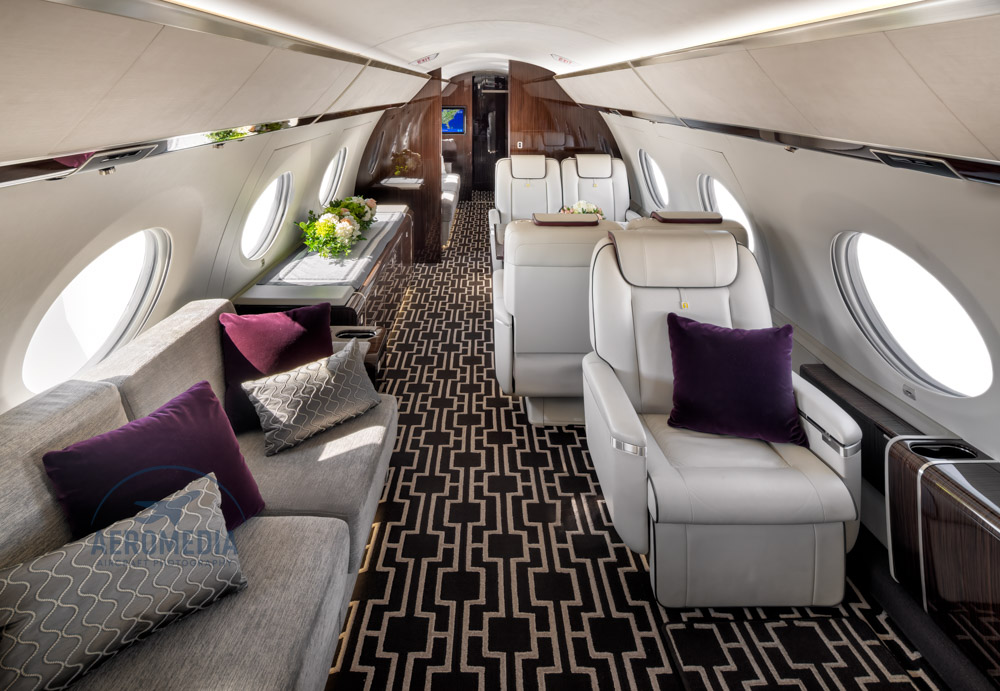
The G700's genesis lay in Gulfstream's recognition that the world's most demanding travellers were no longer satisfied with a simple seat-to-seat transit. They wanted a flying residence: a space where sleep, work, dining and recreation could coexist without compromise. The engineering team in Savannah, Georgia, responded by stretching the fuselage beyond any prior Gulfstream model, pairing it with two Rolls-Royce Pearl 700 engines — the first Pearl-series powerplants ever to enter commercial business-aviation service — each producing 18,250 lbf of thrust.
FAA type certification was achieved in September 2022, with EASA approval following in early 2023, clearing the aircraft for Part 135 charter operations globally. By the middle of 2024 the G700 had accumulated well over 100,000 flight hours across the growing fleet, validating both its performance credentials and the robustness of the Pearl 700 powerplant.
The programme has attracted a roster of blue-chip buyers — sovereign wealth funds, global tech founders, major sports franchises and Fortune 100 corporations — that reads like a Who's Who of twenty-first-century wealth. With a published list price in the region of £62 million, the G700 is unabashedly a flagship purchase, but one whose capability set is genuinely without peer in purpose-built business aviation. For the charter client who wishes to access that capability on a trip-by-trip basis, the aircraft represents the apex of what private aviation can deliver.