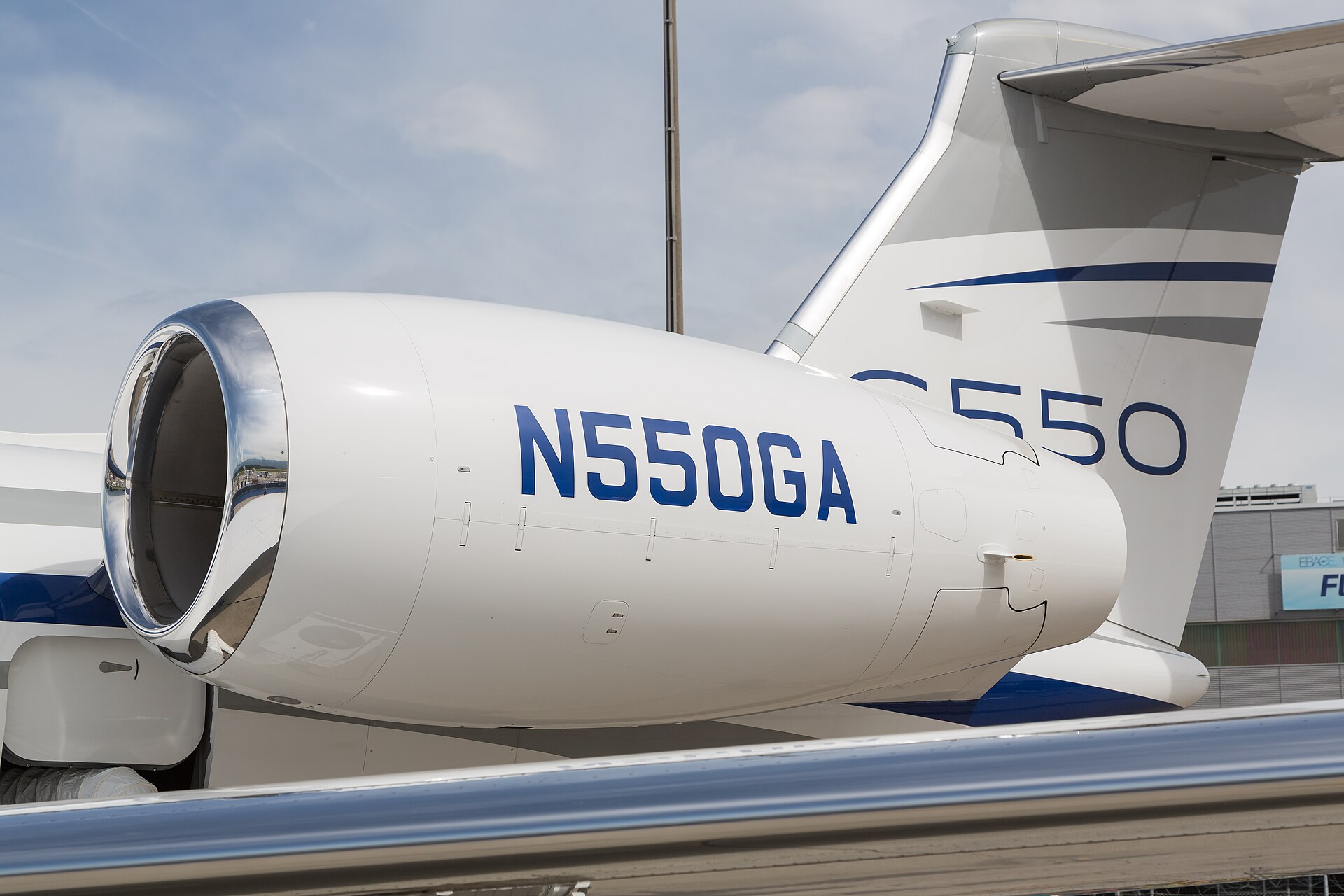
The story behind the Gulfstream G550
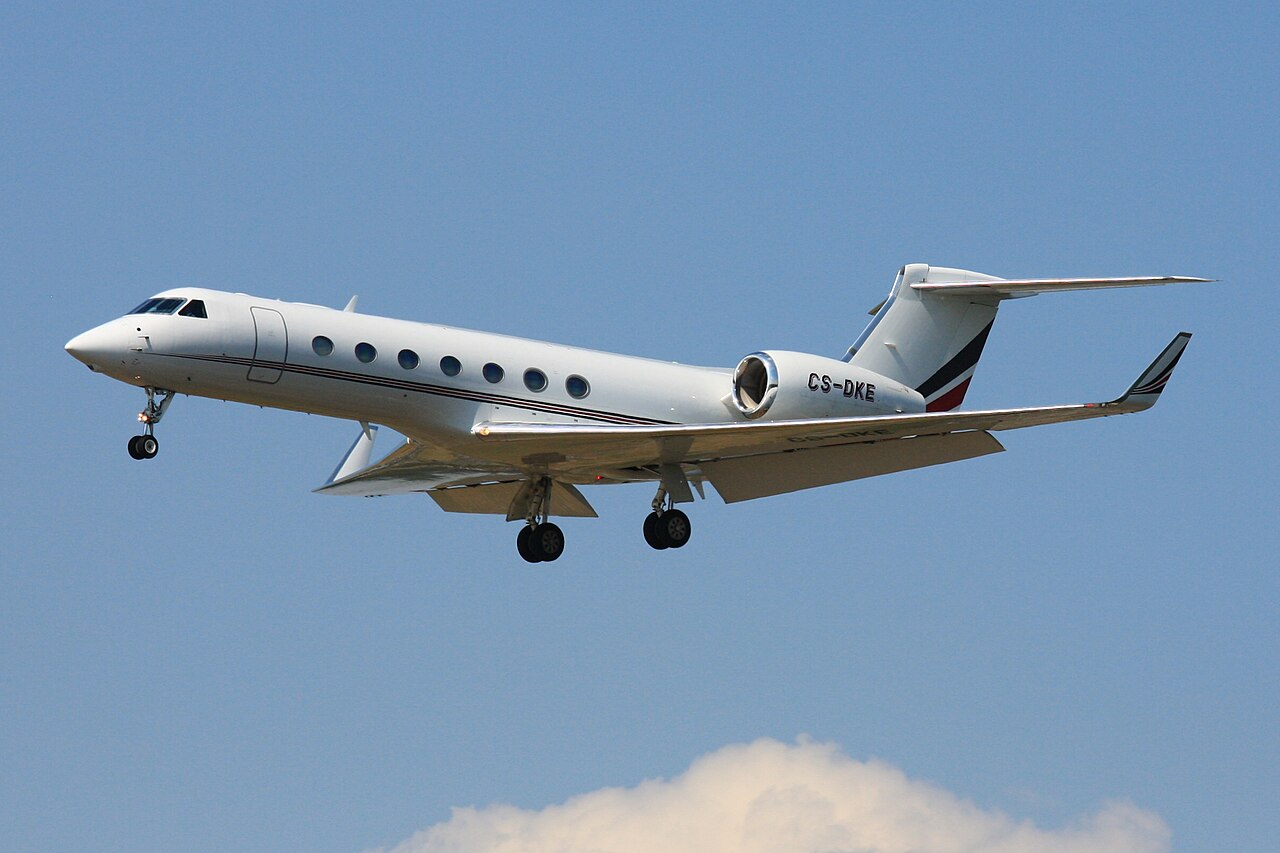
The Gulfstream G550 represents the apex of a design philosophy that has been refined over six decades of continuous production. Its ancestor, the Gulfstream V, was the first business jet to fly nonstop from New York to Tokyo when a pre-production aircraft completed that route in 1987; the G550, certified in 2003 as an enhanced and substantially upgraded GV-SP, inherited that ultra-long-range ambition and then exceeded it. By the time production ended in July 2021 — after 631 airframes had been delivered — the G550 had established a record for reliability and performance that no competitor had convincingly matched across the same range and cabin-size category.
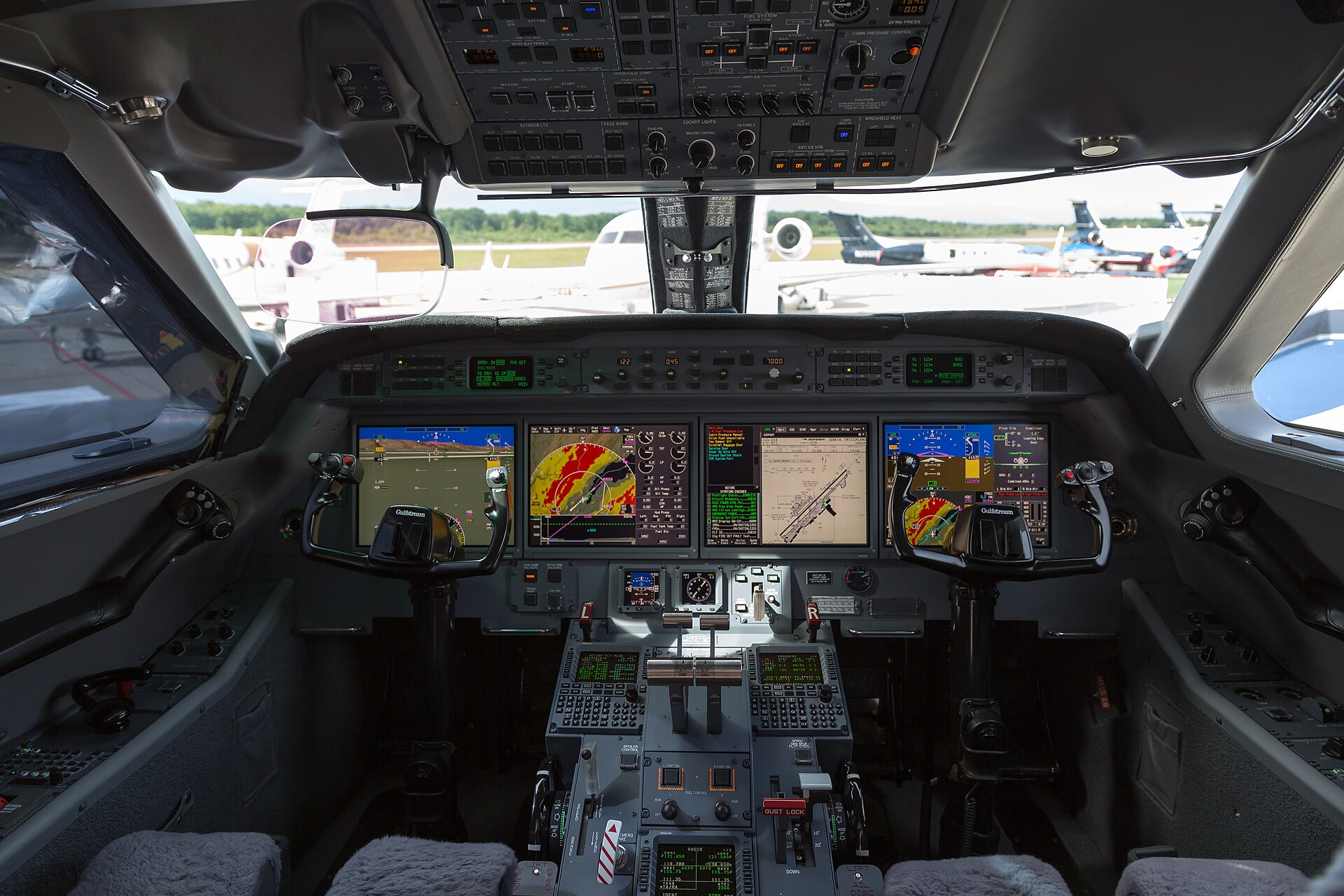
The aircraft's defining technological contribution was the PlaneView cockpit, which the G550 introduced to service before the G450. PlaneView integrated Honeywell Primus Epic avionics with a head-up display on each pilot's side, an Enhanced Vision System using a forward-looking infrared camera, a Traffic Collision Avoidance System, and a comprehensive Electronic Flight Bag into a single coherent architecture. At the time of certification it was the most sophisticated flight deck in business aviation; elements of its design philosophy persist in Gulfstream's current Symmetry cockpit. The military variant, designated the C-37B and operated by the United States Air Force, attests to the platform's operational credibility.
Production may have concluded, but the G550 fleet is large — over 600 aircraft — and comprehensively supported by Gulfstream's worldwide service network, including facilities at London Farnborough, Dubai, and Singapore. Charter availability is consequently broader than for most competing types, and the aircraft's residual values have remained stable in a market that increasingly recognises the G550 as a proven quantity against which newer ultra-long-range jets are measured.